Southwala Shorts
- Kashi Vishwanath Temple is one of the most sacred and spiritually significant temples in India.
- Located on the western bank of the holy river Ganga in Varanasi, Uttar Pradesh, the temple is dedicated to Lord Shiva, who is worshipped here...
- It is one of the twelve Jyotirlingas and has been mentioned in several ancient scriptures, including the Skanda Purana and Shiva Purana.
- The temple stands as a timeless symbol of devotion, faith, and liberation, and attracts millions of devotees from across the world each year.

Kashi Vishwanath Temple is one of the most sacred and spiritually significant temples in India. Located on the western bank of the holy river Ganga in Varanasi, Uttar Pradesh, the temple is dedicated to Lord Shiva, who is worshipped here as Vishwanath, meaning the Lord of the Universe. It is one of the twelve Jyotirlingas and has been mentioned in several ancient scriptures, including the Skanda Purana and Shiva Purana. The temple stands as a timeless symbol of devotion, faith, and liberation, and attracts millions of devotees from across the world each year.
The Spiritual Power of Kashi Vishwanath
Kashi, also known as Varanasi or Banaras, is believed to be the city where Lord Shiva himself resides. The temple represents the spiritual center of this sacred land. Devotees believe that visiting Kashi Vishwanath and taking a dip in the Ganga can cleanse one’s soul and lead to moksha or liberation from the cycle of birth and death. The temple radiates divine energy that helps the mind become calm and the soul feel free.
The main deity, Lord Vishwanath, is represented by a black stone Jyotirlinga placed in a silver altar. It is said that the divine light of this Jyotirlinga connects the earthly realm with cosmic consciousness. The chants of Har Har Mahadev echo across the city, creating an atmosphere filled with faith and devotion.
The History of Resilience and Reconstruction
The temple has a long history of destruction and rebuilding. The earliest records trace it back over a thousand years. Over time, it faced several invasions and demolitions, but every time the temple was rebuilt stronger than before. The current structure was reconstructed in 1780 by Queen Ahilyabai Holkar of Indore, whose devotion and generosity restored the glory of Lord Vishwanath’s shrine.
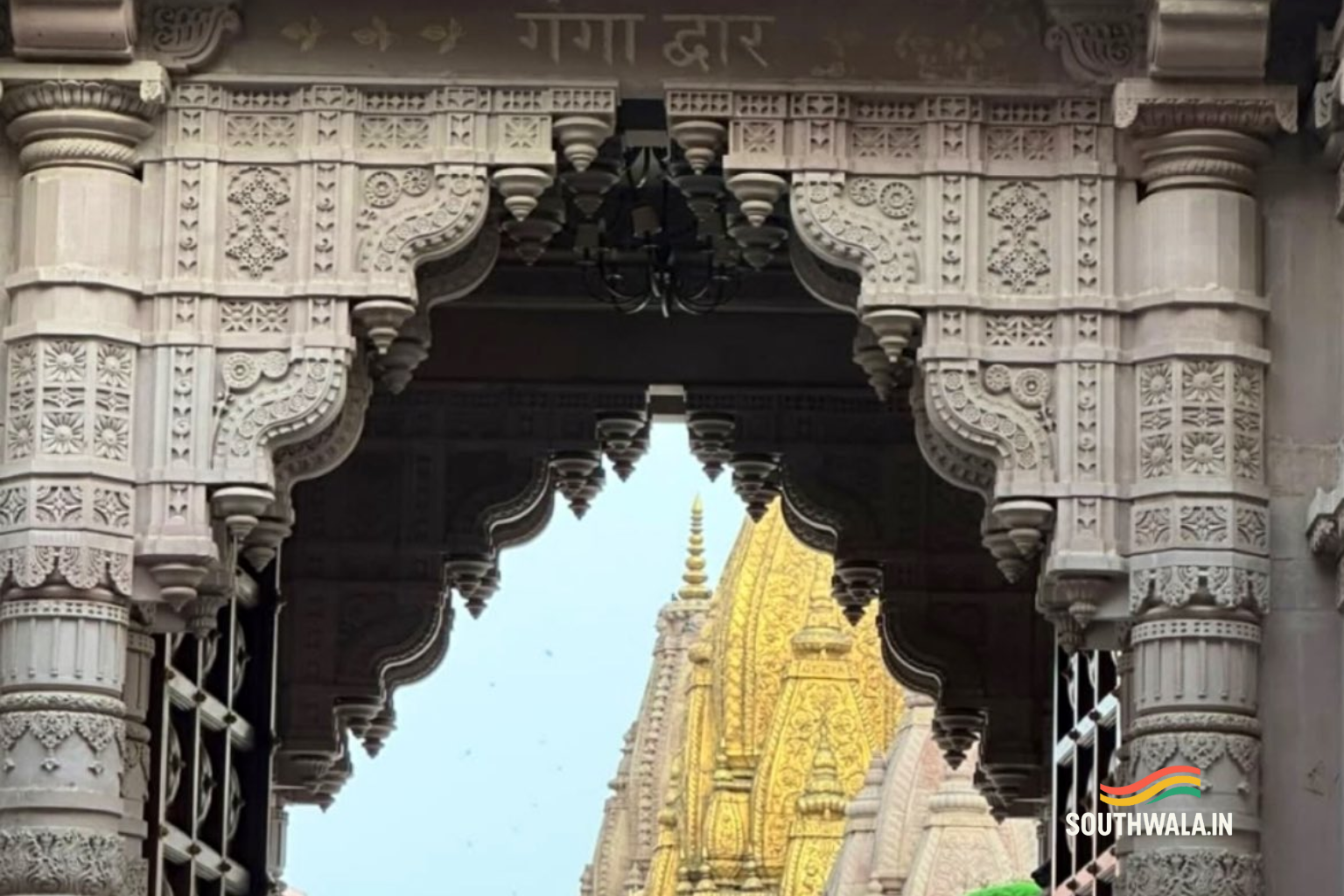
Later, Maharaja Ranjit Singh of Punjab donated gold to cover the main dome of the temple, giving it the iconic golden spire that gleams in sunlight even today. The temple became a symbol of India’s resilience, where faith triumphed over destruction again and again.
In 2021, the Kashi Vishwanath Corridor Project transformed the area around the temple by connecting it directly to the Ganga ghats. This massive development allowed pilgrims to move freely from the river to the temple with ease while maintaining cleanliness and preserving heritage.
The Architecture and Layout
Kashi Vishwanath Temple reflects a perfect blend of spirituality and design. The temple is built in Nagara-style architecture with intricate carvings and a striking gold-plated dome. The sanctum sanctorum houses the sacred Jyotirlinga, and the surrounding complex includes smaller shrines dedicated to other deities like Kaal Bhairav, Dandapani Vishnu, Vinayaka, and Sanishwara.
The temple’s atmosphere is an experience in itself. The sound of bells, the rhythmic chants, the fragrance of sandalwood and incense, and the sight of devotees offering flowers and Bilva leaves together create an environment that feels otherworldly.
The Rituals and Daily Worship
The temple follows ancient Vedic rituals every day, starting early in the morning with the Mangala Aarti, the awakening of the Lord. Throughout the day, devotees perform Rudrabhishek offering mil,k honey, and water to the Shivling while chanting mantras from the Rudram. The temple closes late in the evening after Shayan Aarti, which symbolizes putting the deity to rest.
Mondays hold special significance as the day of Lord Shiva. The festival of Mahashivratri attracts millions of devotees who fast, meditate, and stay awake the entire night in prayer. During this time, the temple glows with lamps and resonates with chants that continue until dawn.
The Ganga Connection and the Belief in Moksha
The temple’s location beside the Ganga adds immense spiritual power. Pilgrims bathe in the river before entering the temple as a ritual of purification. It is believed that the Ganga carries divine blessings from Lord Shiva himself. According to legend, Lord Shiva granted that anyone who dies in Kashi attains moksha, meaning freedom from rebirth. The cremation ghats of Manikarnika and Harishchandra are seen as pathways to salvation where the soul is liberated under the Lord’s protection.
The Modern Experience for Pilgrims
Today, the temple welcomes visitors from all parts of India and the world. The corridor project has made the surroundings cleaner and more accessible with spacious walkways, resting areas, and information points. The temple administration has preserved the sanctity of the site while ensuring comfort and safety for all devotees.
Standing before the Jyotirlinga is often described as a deeply transformative moment. Pilgrims feel an overwhelming sense of peace as if time itself pauses inside the shrine. Kashi Vishwanath continues to be not only a place of prayer but also a living experience of spiritual awakening.
The Deeper Message of Kashi Vishwanath
Kashi Vishwanath teaches that divinity and humanity are not separate. The temple symbolizes the cycle of creation, preservation, and destruction that defines the universe and the self. It reminds every visitor that death is not an end but a transformation and that the soul is eternal.
Every chant, every lamp, and every offering in this temple carries a message of unity with the divine. For many, this is not just a pilgrimage but a journey within the self, where the body, mind, and soul come together in peace under the gaze of Lord Vishwanath.
Frequently Asked Questions (FAQs)
Why is Kashi Vishwanath considered sacred
The temple is one of the twelve Jyotirlingas of Lord Shiva and is located in Kashi, which is believed to be the city of liberation and divine presence.
Can non-Hindus visit the temple?
Visitors of all faiths can access the outer temple and the corridor area, while only Hindus are permitted inside the main sanctum for worship.
Are mobile phones and cameras allowed inside
Electronic devices, including cameras and phones, are not allowed inside the temple premises to maintain the sanctity and security of the site.
What are the best times for darshan?
The temple opens early for Mangala Aarti and remains open until late in the evening, with peak crowds during Shivratri Mondays and festive occasions.
How can devotees perform Rudrabhishek?
Devotees can book the ritual online through the temple’s official website or register at the temple counter, and the priests conduct the puja on their behalf.
Author


Discover more from Southwala
Subscribe to get the latest posts sent to your email.