Southwala Shorts
- In ancient India, temples were not only built for prayer.
- They were designed as spaces to help people feel calm, clear-minded, and full of positive energy.
- Every corner, sound, and light in a temple had a purpose.
- Temple builders carefully selected peaceful locations like hilltops, riverbanks, and deep forests.

Highlights
- Ancient temples were built with science, art, and spirituality in mind
- Every design choice aimed to calm the mind and increase focus
- Natural surroundings, sacred geometry, and sound therapy played key roles
More Than Just Places of Worship
In ancient India, temples were not only built for prayer. They were designed as spaces to help people feel calm, clear-minded, and full of positive energy. Every corner, sound, and light in a temple had a purpose.
Choosing the Right Location
Temple builders carefully selected peaceful locations like hilltops, riverbanks, and deep forests. These places had clean air, soothing sounds of nature, and an atmosphere that helped visitors feel relaxed even before entering.
The Balance of Sacred Geometry
The floor plan of most temples followed the Vastu Purusha Mandala. This is a traditional design that uses perfect symmetry. The balanced shapes and aligned structures helped create a sense of stability in the mind. Walking inside such a space naturally reduced stress.
The Power of the Sanctum
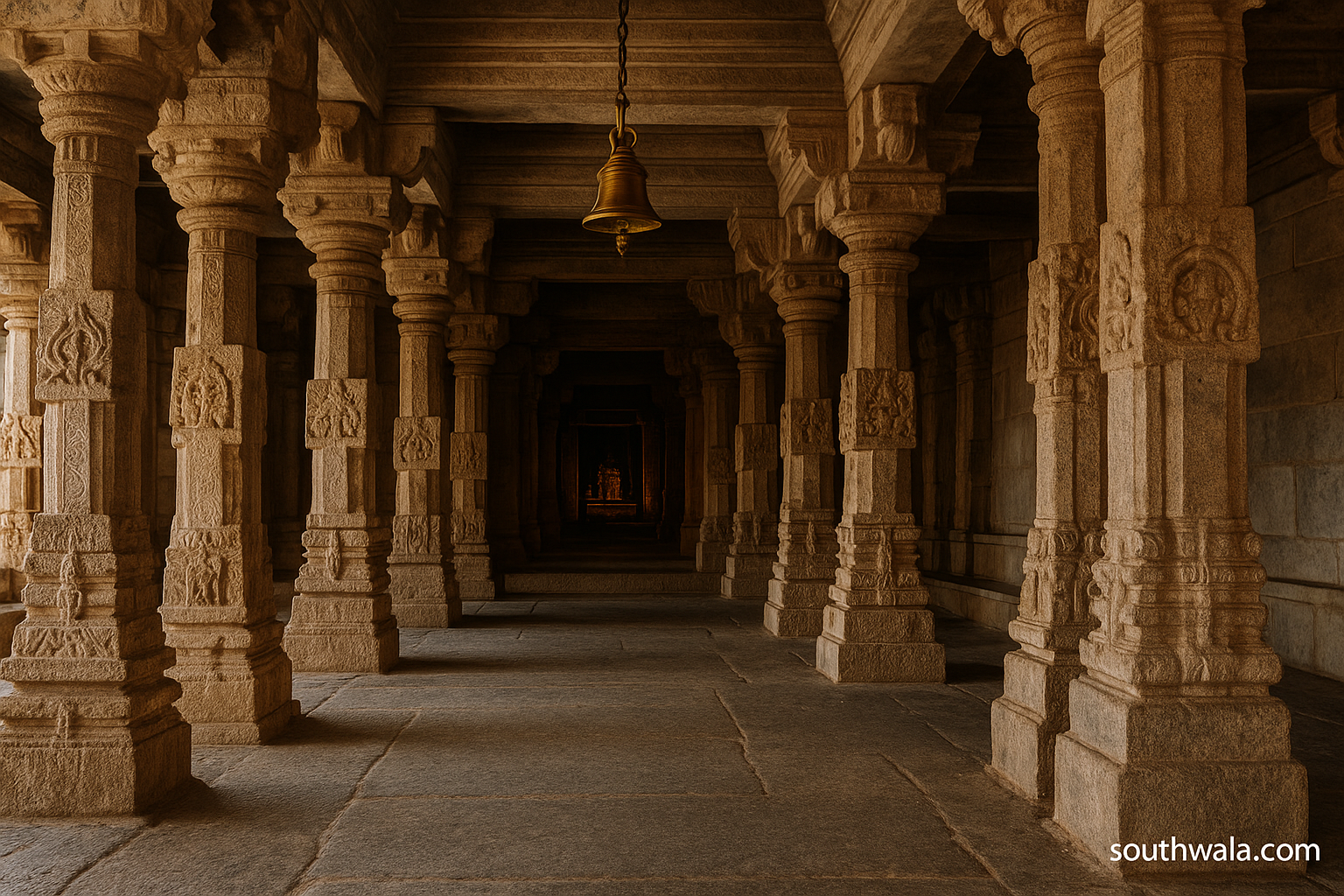
The innermost part of the temple, called the garbhagriha, was small, quiet, and dimly lit. It was built to block all outside distractions. Standing inside made the mind focus only on the deity. This worked much like meditation, helping the mind slow down and feel peaceful.
Healing Sounds of Bells and Chants
Temple bells and mantra chanting were not just rituals. The sound vibrations affected brain waves, helping people feel calm yet alert. Modern science now calls this sound therapy, but it has been part of temple traditions for centuries.
Energy from Natural Materials
Materials like granite, copper, and gold were used in temple construction. These were believed to store and release positive energy. When sunlight touched these surfaces or devotees placed their hands on them, it was thought to transfer uplifting energy to the body and mind.
Walking for Mental Balance
Many temples had pathways for pradakshina or circumambulation. Walking slowly in a circular path around the sanctum helped regulate breathing and created a calming rhythm in both body and mind.
Lessons for Modern Life
Today, we live in noisy and stressful environments. The design ideas of ancient temples can inspire us to create calmer spaces. Using natural surroundings, balanced lighting, rhythmic walking, and soothing sounds can help improve mental health even in modern homes.
FAQs
1. Did all ancient temples have the same design?
Most followed similar principles, but details varied by region and culture.
2. Why were temples often away from cities?
Remote locations provided peace, clean air, and a distraction-free environment.
3. How does symmetry in design affect the mind?
The brain feels more relaxed and secure in balanced, well-planned spaces.
4. Why is the sanctum kept small and dark?
It helps reduce sensory distractions and encourages deep focus.
5. Can these ideas be used in modern buildings?
Yes. Architects are adapting these principles for meditation halls, wellness centers, and even homes.
Author


Discover more from Southwala
Subscribe to get the latest posts sent to your email.