Southwala Shorts
- A hug might seem like a quick and simple gesture, but it is far more than that.
- The way you embrace someone, the pressure of your arms, the placement of your hands, and how long you hold on can speak louder than...
- Psychologists often say that body language is a mirror to our emotions, and hugging is one of the clearest examples of this.
- From long, soul-soothing hugs to quick, polite embraces, your style may be revealing more than you realise.

A hug might seem like a quick and simple gesture, but it is far more than that. The way you embrace someone, the pressure of your arms, the placement of your hands, and how long you hold on can speak louder than words. Psychologists often say that body language is a mirror to our emotions, and hugging is one of the clearest examples of this. From long, soul-soothing hugs to quick, polite embraces, your style may be revealing more than you realise.
The Tight, Long Hug : A Sign of Emotional Depth
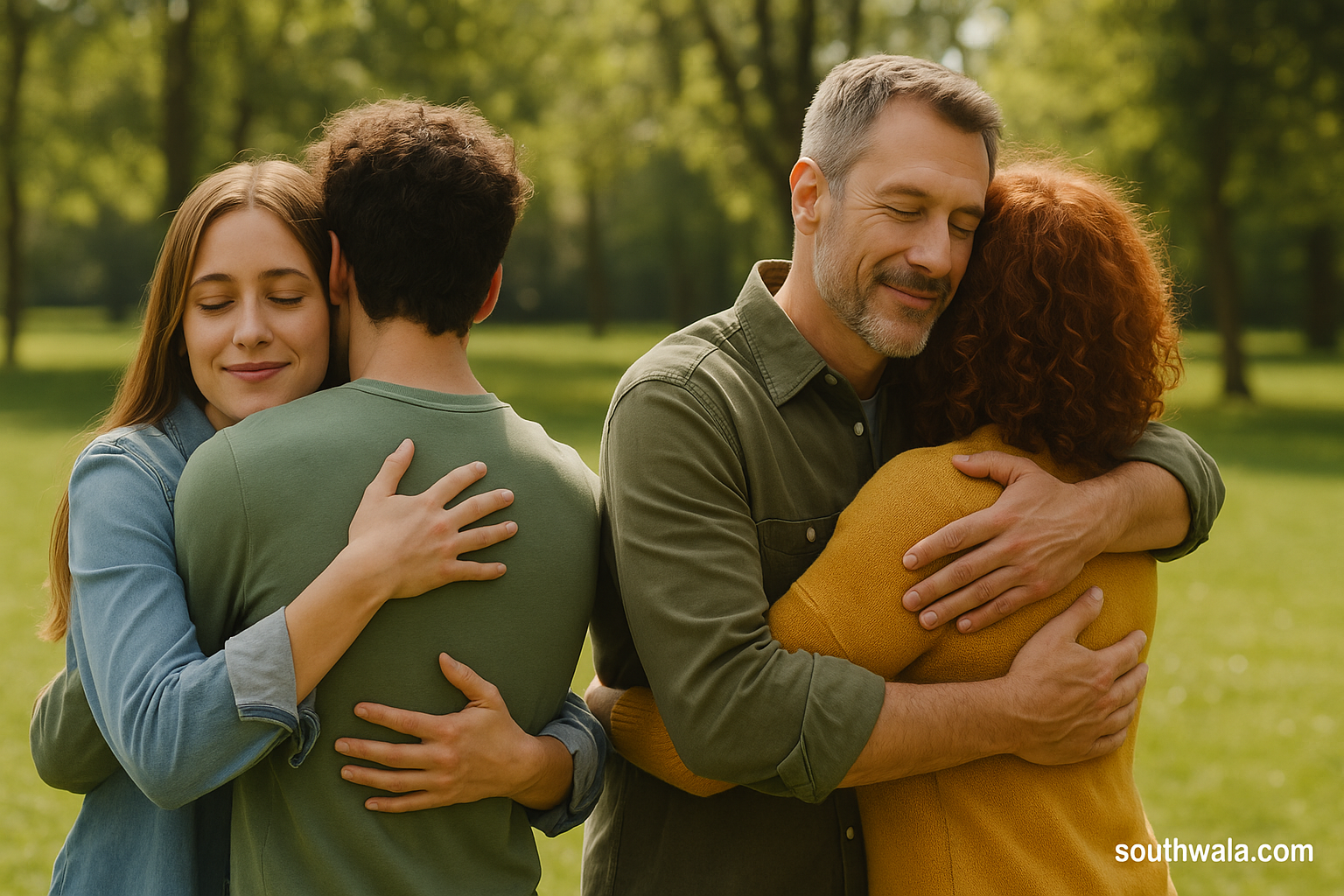
If you hug someone closely and hold on for more than a few seconds, it is often a sign of deep affection and trust. This hug is common between partners, close friends, or family members who share a strong emotional connection. It tells the other person, “I am here for you, and I care deeply.” People who give long hugs are usually empathetic and open with their emotions. They tend to form strong, lasting bonds and are not afraid to show vulnerability.
The One-Arm Hug : Friendly but Reserved
The one-arm hug is a casual, side-lean gesture often given to friends, colleagues, or acquaintances. It shows friendliness and familiarity but also maintains a layer of personal space. This type of hug is often used in social events or in situations where a full embrace might feel too personal. People who prefer one-arm hugs are usually warm but also protective of their emotional boundaries.
The Back-Patting Hug : Comfort and Encouragement
A hug with a few pats on the back is common between men, casual friends, or even teammates. The pat can mean reassurance, “Good to see you,” or “Well done.” It is more about support and less about romance. The back-patting hug is often used in moments of congratulations, reunion, or brief comfort. People who use this hug style often express care in practical, action-oriented ways rather than through emotional intensity.
The Bear Hug : Playful and Full of Love
The bear hug is big, tight, and full of energy. Sometimes it even lifts the other person off the ground. This hug is common between siblings, very close friends, or partners who have a fun and affectionate dynamic. It says, “I am excited to see you, and I am not afraid to show it.” People who give bear hugs are usually confident, expressive, and unafraid of public displays of affection.
The Side Hug – Casual and Protective
The side hug, where you place an arm around someone’s shoulder or waist while standing side-by-side, is relaxed and friendly. It often happens in group photos, casual greetings, or with friends in public. This hug can mean comfort, companionship, or a quiet show of support. People who prefer side hugs often have a laid-back personality and show care in subtle ways.
The Quick Hug – Polite and Formal
A quick, light hug is often given in formal settings or to people you do not know well. It may last only a second or two and is usually without strong emotion. Quick huggers are often respectful of personal space and may take time to feel comfortable with physical closeness. However, it can also mean the person is shy or unsure of how the other will respond to a longer hug.
Why Hugging Style Matters
Hugs are a form of silent communication. They can reflect warmth, love, and trust, or they can signal boundaries and respect for personal space. By paying attention to hugging styles, you can understand your own comfort level with physical affection and also read how others feel about you.
Your hugging style is like your emotional fingerprint. Whether it is a long, heartfelt embrace or a light, polite touch, it reveals part of your personality and your relationship with the other person. The next time you hug someone, think about the unspoken message you might be sending.
FAQs
1. Can your hugging style change over time?
Yes. As relationships grow and comfort levels shift, the way you hug can change.
2. Is one style of hugging better than another?
No. Each hug style has its own meaning and suits different relationships and situations.
3. Can a hug show hidden emotions?
Yes. Longer or tighter hugs can sometimes show feelings the person has not expressed in words.
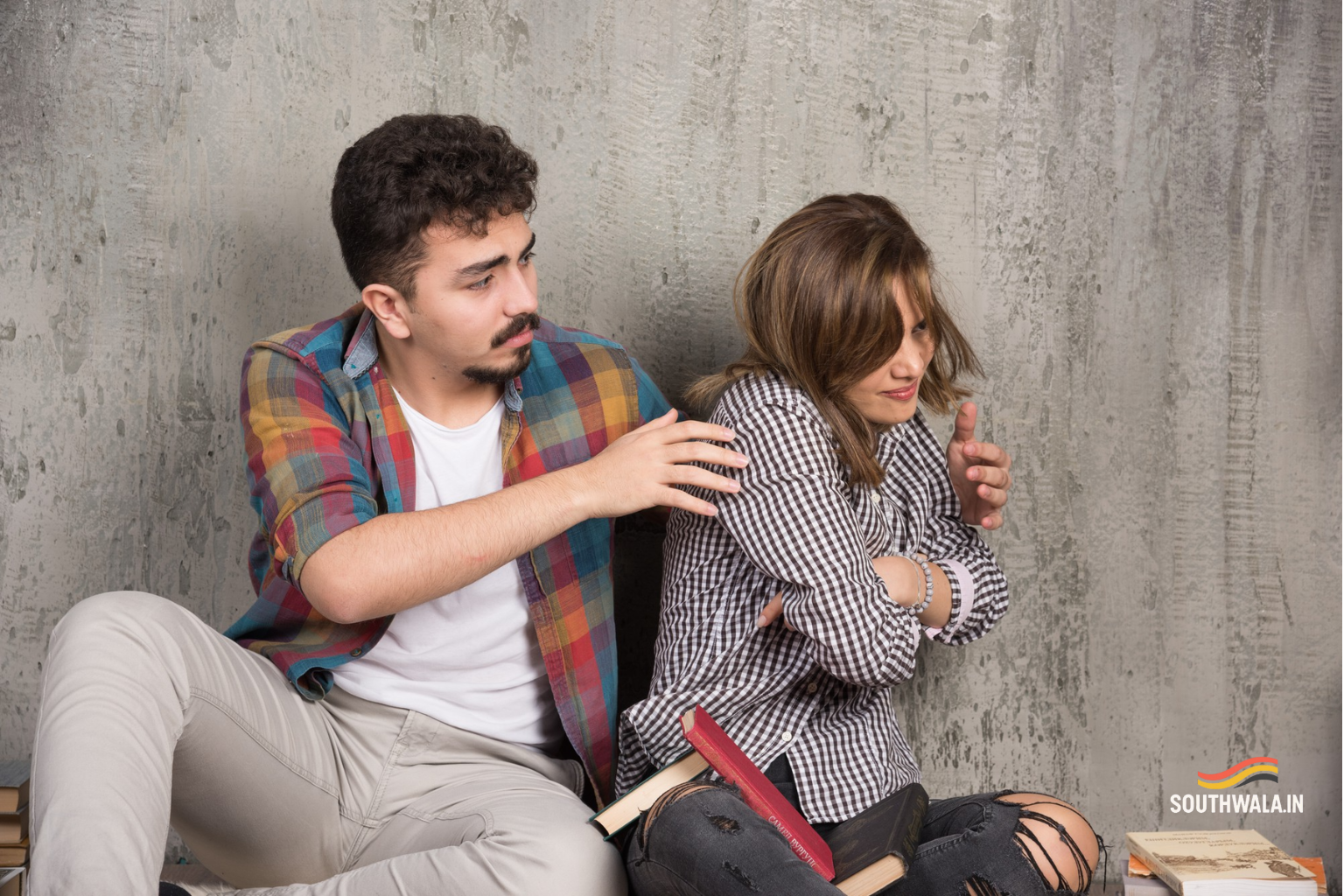
4. Why do some people avoid hugs?
It could be due to cultural habits, personal space preferences, or emotional boundaries.
5. Do hugs have health benefits?
Yes. Hugs release oxytocin, lower stress, and improve mood.
Author


Discover more from Southwala
Subscribe to get the latest posts sent to your email.