Southwala Shorts
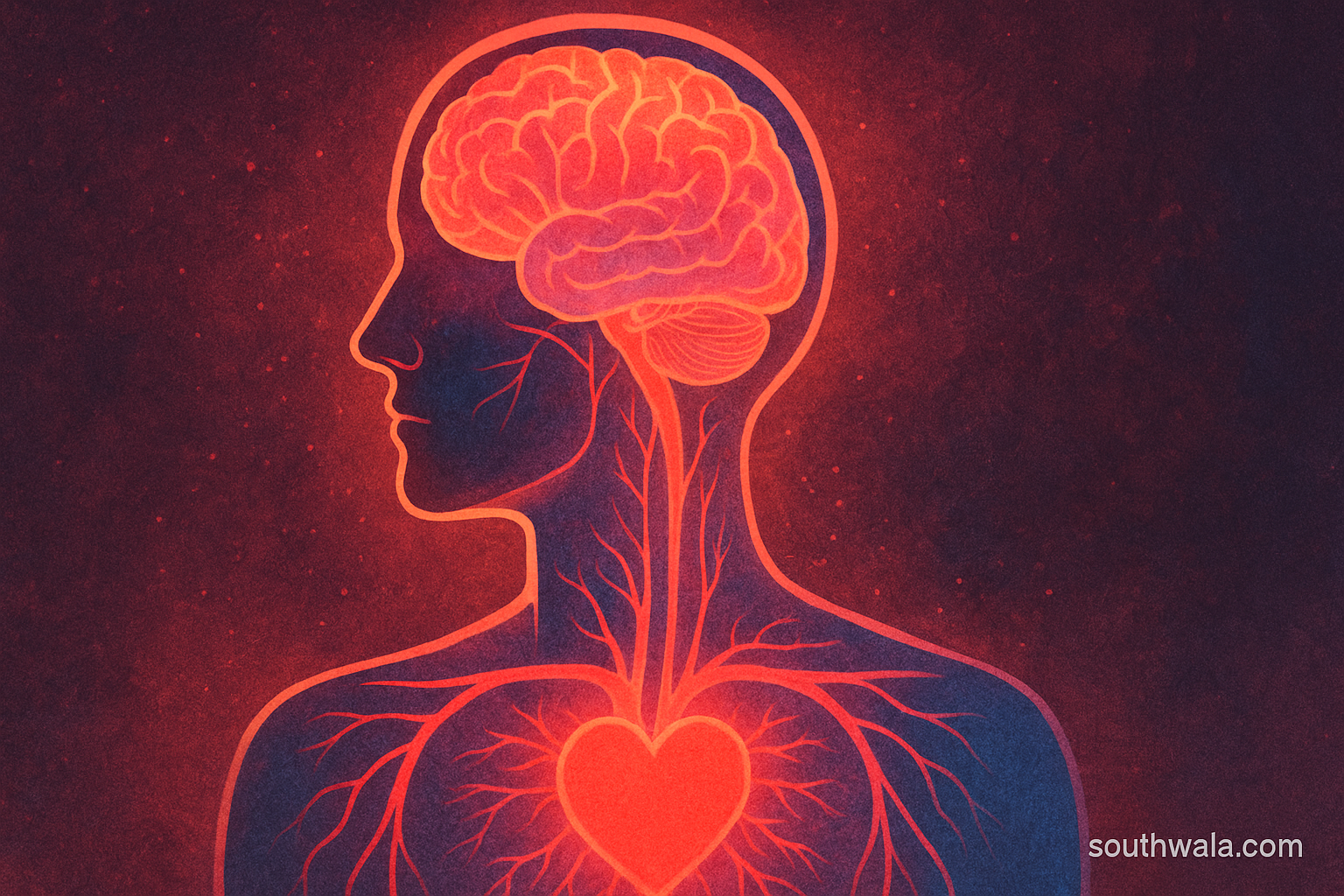
- When you fall in love, your brain is the first organ that reacts.
- It releases a rush of dopamine, the “pleasure chemical,” which makes you feel happy and excited.
- At the same time, serotonin levels drop, causing you to think about your partner constantly.
- This is why love often feels like an obsession in the beginning.

When you fall in love, your brain is the first organ that reacts. It releases a rush of dopamine, the “pleasure chemical,” which makes you feel happy and excited. At the same time, serotonin levels drop, causing you to think about your partner constantly. This is why love often feels like an obsession in the beginning.
Role of Hormones
Love is often called “chemistry” because hormones guide the entire process.
- Oxytocin: Known as the “bonding hormone,” it deepens trust and closeness.
- Adrenaline: Increases your heartbeat and gives butterflies in the stomach.
- Endorphins: Provide comfort and reduce stress when you are with your partner.
Together, these chemicals create that powerful mix of joy, nervousness, and attachment.
The Heart Reacts Too
It is not just a figure of speech when people say love makes the heart race. Scientific studies have shown that being near someone you are in love with can increase your heart rate and sometimes even synchronize it with theirs. This is why couples often feel “in tune” with one another.
Immune System Boost
Interestingly, falling in love may also strengthen immunity. Some research shows that people in loving relationships often have fewer stress-related illnesses. Love reduces cortisol, the stress hormone, and helps the body fight infections better.
Ancient Views on Love
In Indian traditions, love is not just chemistry but also spiritual energy. Texts like the Kama Sutra and poetry from saints describe love as a path to higher connection. In Ayurveda, it is believed that emotions, including love, affect physical health, showing that ancient wisdom recognized the mind-body link long before modern science.
Why Love Feels Addictive
Love activates the same brain pathways as addiction to substances. This is why people can feel withdrawal-like sadness when separated from a loved one. It also explains why early stages of love feel so consuming and powerful.
FAQs
1. Why do people get butterflies in their stomach when in love?
Because adrenaline increases blood flow, creating physical sensations in the stomach.
2. Can love really affect health?
Yes, positive relationships improve heart health, immunity, and mental well-being.
3. Why does falling in love feel so intense?
Because of dopamine and serotonin changes, the brain focuses strongly on the partner.
4. Do men and women experience love differently?
Studies show men often fall in love faster, while women focus more on bonding and trust.
5. Can love reduce stress?
Yes, oxytocin and endorphins calm the body, lowering stress and blood pressure.
Author


Discover more from Southwala
Subscribe to get the latest posts sent to your email.