
Southwala Shorts
- In a sweeping move that has stirred debate across Washington, U.S.
- President Donald Trump has dismissed all six members of the U.S.
- Commission of Fine Arts the century-old advisory body responsible for overseeing the design and architecture of federal buildings in the nation’s capital.
- The decision comes as the White House advances plans for a new multi-million-dollar ballroom project that critics say could alter the historic East Wing.

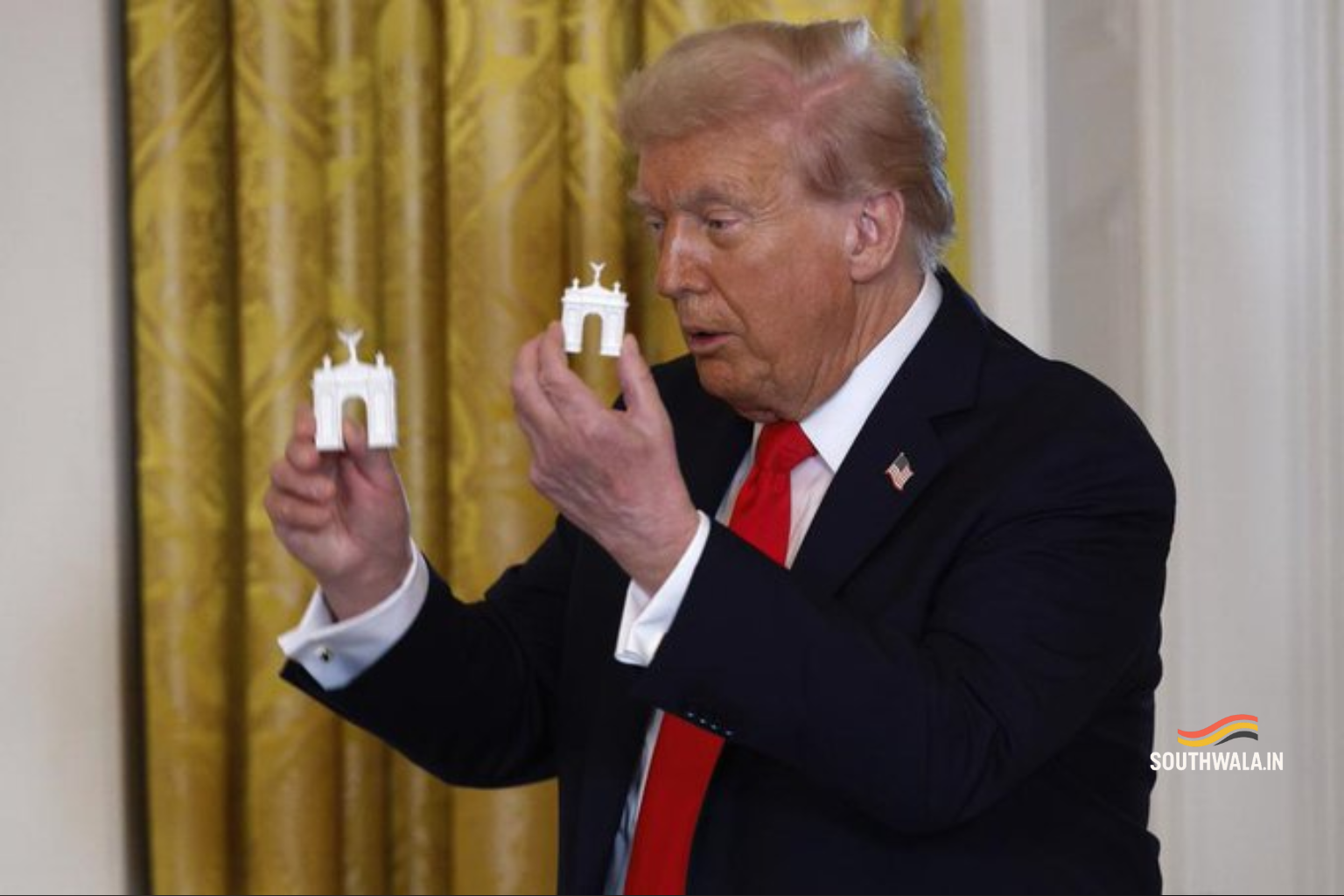
In a sweeping move that has stirred debate across Washington, U.S. President Donald Trump has dismissed all six members of the U.S. Commission of Fine Arts the century-old advisory body responsible for overseeing the design and architecture of federal buildings in the nation’s capital. The decision comes as the White House advances plans for a new multi-million-dollar ballroom project that critics say could alter the historic East Wing.
The commission, founded in 1910, traditionally functions as a nonpartisan watchdog for federal design standards. Its members, typically leading architects, artists, and historians, review public building plans to ensure they preserve the city’s heritage. However, Trump’s administration abruptly removed the entire panel, replacing it with individuals reportedly more aligned with his “America First” vision of architecture and aesthetics.
According to multiple reports, the dismissals occurred shortly after the Commission raised concerns about the proposed White House ballroom project, a lavish expansion reportedly funded by Trump and a group of private donors. The project’s supporters say it will provide a modern space for state events and official ceremonies, while opponents warn it risks undermining both the historical character and the transparency of the process.
Critics, including Democratic lawmakers and preservation groups, argue that the move weakens institutional oversight and opens the door to political and donor influence. Congressman Adam Schiff called the decision “an attack on architectural integrity and public accountability,” while others said it sets a worrying precedent for executive interference in independent review bodies.
The White House has defended the decision, saying it wants to bring in “fresh perspectives” and “streamline cultural representation.” Yet for many observers, the timing coinciding with the ballroom project’s review raises red flags.
Beyond architecture, the episode highlights a deeper tension between federal independence and administrative control. The question now goes beyond a ballroom: it’s about whether the institutions meant to safeguard American heritage can withstand political pressure.
Author


Discover more from Southwala
Subscribe to get the latest posts sent to your email.

