
Southwala Shorts
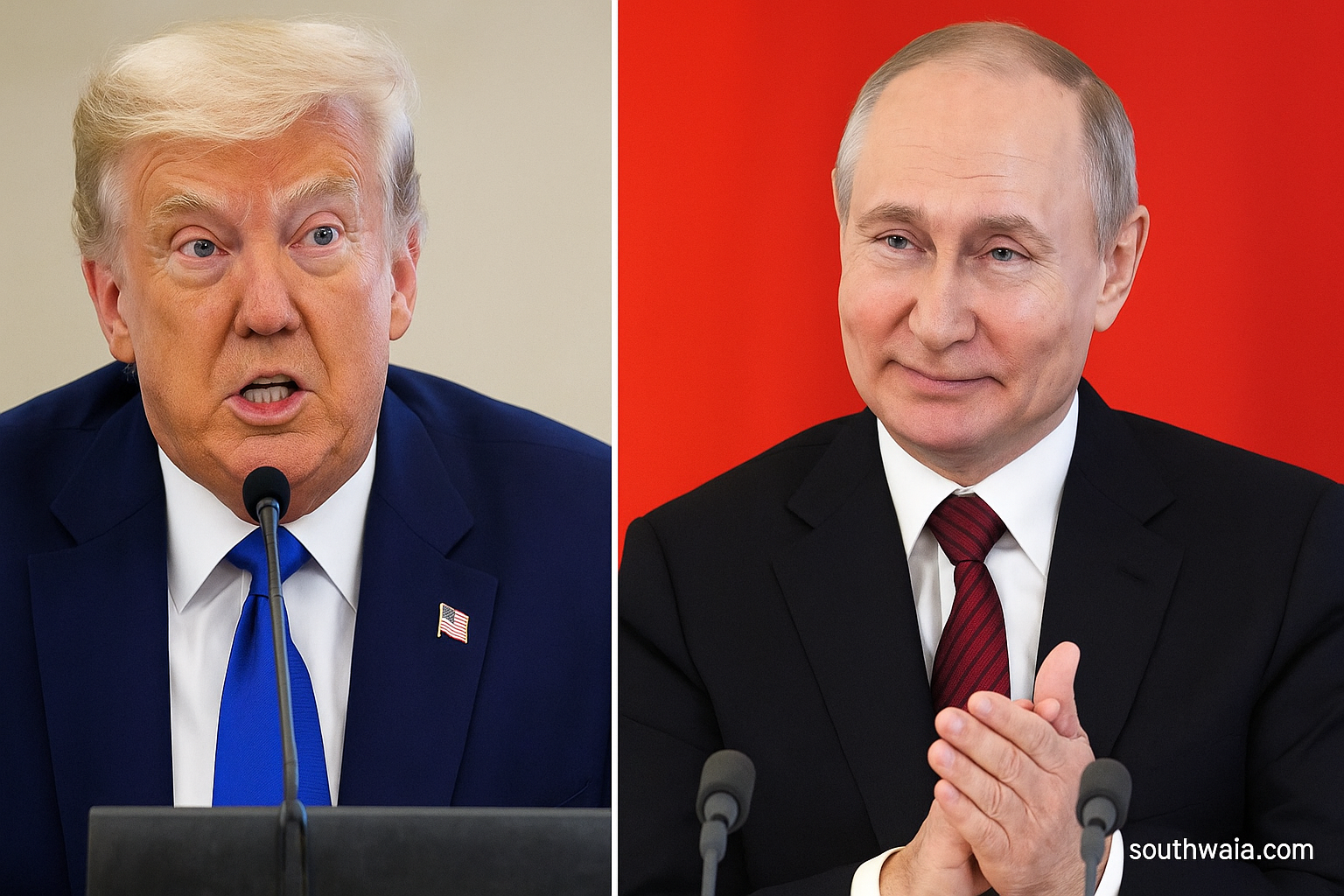
- US President Donald Trump has urged NATO members to impose a full ban on Russian oil imports, saying that cutting off Moscow’s energy revenues is...
- Speaking as part of ongoing discussions with allies, Trump framed the move as a decisive step for both global security and long-term energy independence.
- Despite the strong call from Washington, several NATO members remain cautious about implementing an immediate ban.
- Countries that still rely heavily on Russian oil imports fear the economic consequences, warning that a sudden cutoff could trigger fuel shortages and price surges...

US President Donald Trump has urged NATO members to impose a full ban on Russian oil imports, saying that cutting off Moscow’s energy revenues is essential to weakening its war effort in Ukraine. Speaking as part of ongoing discussions with allies, Trump framed the move as a decisive step for both global security and long-term energy independence.
Despite the strong call from Washington, several NATO members remain cautious about implementing an immediate ban. Countries that still rely heavily on Russian oil imports fear the economic consequences, warning that a sudden cutoff could trigger fuel shortages and price surges at home. Leaders have instead pushed for phased reductions rather than a full and immediate embargo.
Europe has reduced its reliance on Russian energy since the war in Ukraine began, but complete independence has proven difficult. Infrastructure limitations and the need to secure reliable alternatives mean some states are hesitant to support Trump’s proposal in full. This dependence continues to complicate NATO’s ability to present a united front on sanctions.
The divide reflects a broader debate within NATO: how to balance economic stability with security imperatives. The United States is pressing for maximum pressure on Moscow, while some European nations argue that sanctions must be applied carefully to avoid domestic backlash and long-term instability.
Trump’s demand highlights Washington’s continued leadership within the alliance, but the skepticism from NATO partners underscores the difficulty of forging consensus when national interests diverge. Energy remains one of the most sensitive and politically charged aspects of NATO’s response to Russia.
As discussions continue, NATO will need to decide whether to align with Trump’s push for a full oil ban or pursue a more gradual approach. The decision could shape not only the effectiveness of sanctions on Russia but also the cohesion and credibility of the alliance moving forward.
Author


Discover more from Southwala
Subscribe to get the latest posts sent to your email.

