
Southwala Shorts
- Russia and China have asked the United Nations Security Council (UNSC) to vote on a draft resolution that would delay by six months the reimposition...
- Diplomats said the vote is expected to take place on Friday.
- All UN sanctions on Iran are scheduled to be reimposed at 8 p.m.
- This follows action by the United Kingdom, France, and Germany, which triggered a 30-day process earlier this month, accusing Tehran of violating the 2015 nuclear...

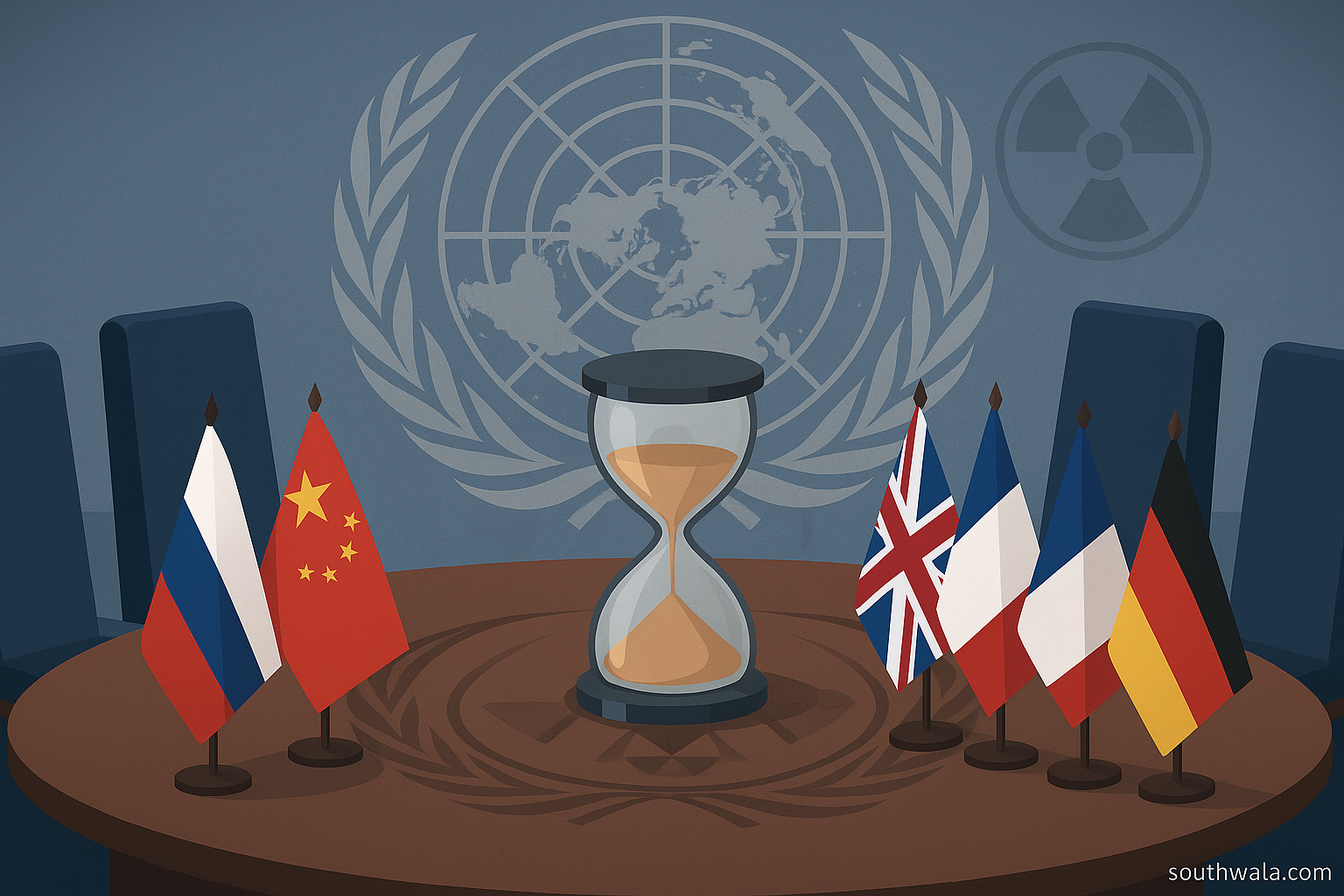
Russia and China have asked the United Nations Security Council (UNSC) to vote on a draft resolution that would delay by six months the reimposition of sanctions on Iran. Diplomats said the vote is expected to take place on Friday.
All UN sanctions on Iran are scheduled to be reimposed at 8 p.m. EDT on Friday. This follows action by the United Kingdom, France, and Germany, which triggered a 30-day process earlier this month, accusing Tehran of violating the 2015 nuclear deal. That agreement was designed to limit Iran’s nuclear program in exchange for relief from global sanctions.
For the draft resolution to pass, it requires at least nine votes in favor from the 15-member Security Council, and no vetoes from any of the five permanent members, which are the United States, United Kingdom, France, Russia, or China. A single veto from a permanent member would block the measure.
Russia and China have consistently supported engagement with Tehran and opposed moves that could escalate tensions. Their call for a six-month delay is seen as an effort to provide additional time for diplomacy and to avoid a sudden economic shock to Iran.
The United Kingdom, France, and Germany have accused Iran of failing to uphold its commitments under the nuclear deal. They argue that Tehran has expanded its nuclear activities beyond the limits agreed in 2015. Triggering the sanctions snapback process reflects their frustration with Iran’s non-compliance.
In recent days, Iranian and European officials have been engaged in talks aimed at finding a compromise. Diplomats say the goal is to strike a temporary arrangement that delays sanctions while creating space for broader negotiations on Iran’s nuclear program and regional activities.
The outcome of Friday’s vote will determine whether sanctions on Iran resume immediately or whether Tehran gains a six-month reprieve. Either way, the decision is likely to have significant implications for global diplomacy, Middle East stability, and international energy markets.
Author


Discover more from Southwala
Subscribe to get the latest posts sent to your email.

