
Southwala Shorts
- The Philippines has evacuated hundreds of thousands of people after a severe tropical storm swept across the country, leaving at least three people dead.
- The storm comes just days after Super Typhoon Ragasa struck the region, compounding the damage and disruption.
- Authorities said large-scale evacuations were carried out in several provinces, especially in low-lying and coastal areas at risk of flooding and storm surges.
- Schools were closed, flights canceled, and emergency shelters set up to house displaced residents.

The Philippines has evacuated hundreds of thousands of people after a severe tropical storm swept across the country, leaving at least three people dead. The storm comes just days after Super Typhoon Ragasa struck the region, compounding the damage and disruption.
Authorities said large-scale evacuations were carried out in several provinces, especially in low-lying and coastal areas at risk of flooding and storm surges. Schools were closed, flights canceled, and emergency shelters set up to house displaced residents. Officials said the priority was to move people to safety before conditions worsened.
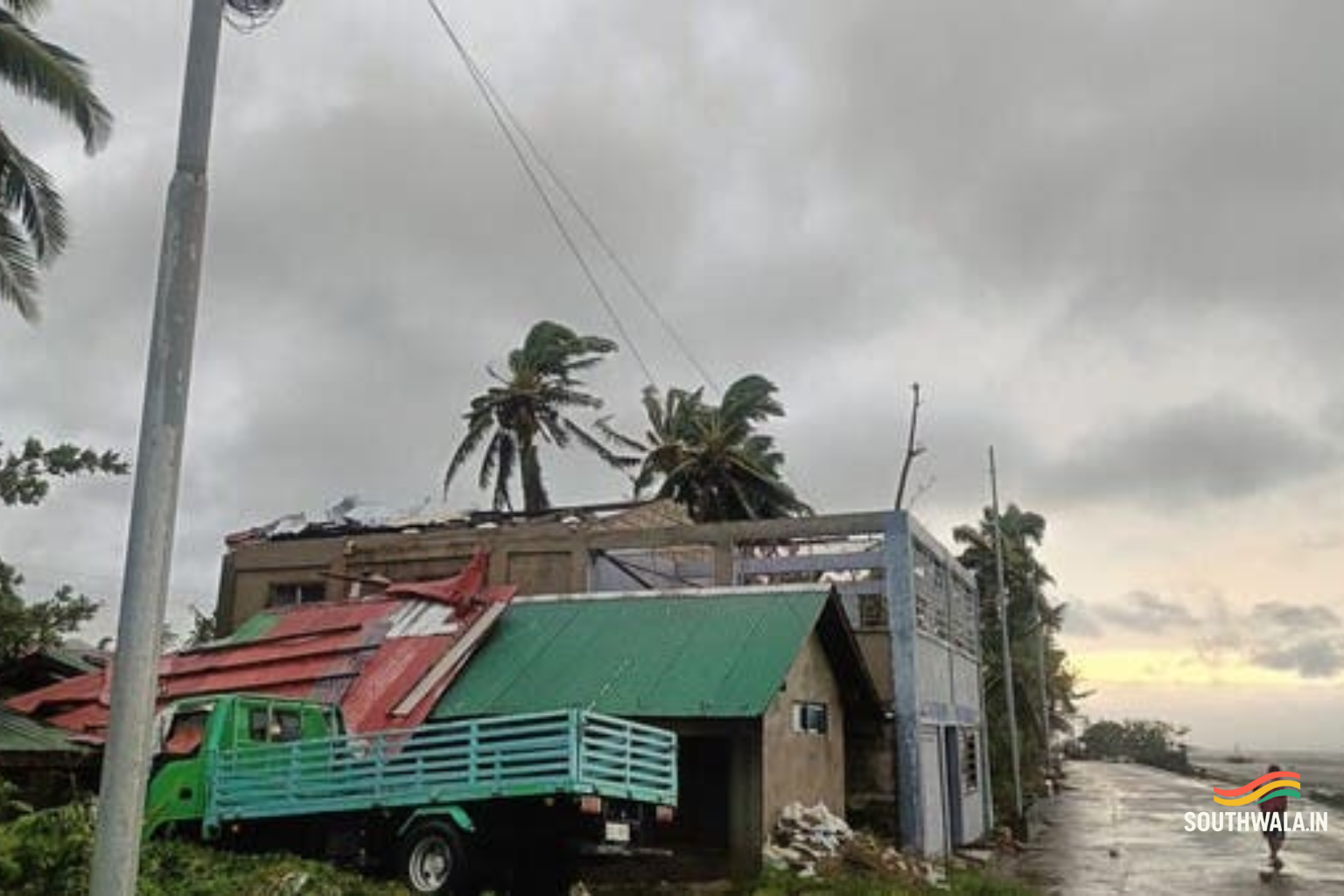
The tropical storm brought heavy rains, strong winds, and widespread power outages across parts of the Philippines. Local reports indicated damage to homes, roads, and public infrastructure, with communication lines disrupted in some areas. Disaster response teams have been deployed to restore essential services and provide aid.
Meteorologists said the storm was part of the lingering weather systems linked to Super Typhoon Ragasa, which had already caused significant destruction in neighboring Taiwan and China earlier this week. Although weaker, the tropical storm still packed enough force to endanger lives and cause further flooding.
The Philippine government has mobilized its disaster relief agencies and called on the military and local authorities to assist with rescue operations. “Our priority is to keep our people safe and to minimize further casualties,” a government spokesperson said. Relief goods, medical supplies, and rescue boats have been dispatched to affected regions.
The storm is expected to continue bringing rainfall over the next few days, raising concerns about landslides and overflowing rivers. Officials have urged the public to remain vigilant and follow evacuation advisories.
The Philippines, one of the most disaster-prone countries in the world, faces frequent typhoons and storms each year, making disaster preparedness and rapid response crucial to saving lives.
Author


Discover more from Southwala
Subscribe to get the latest posts sent to your email.

