
Southwala Shorts
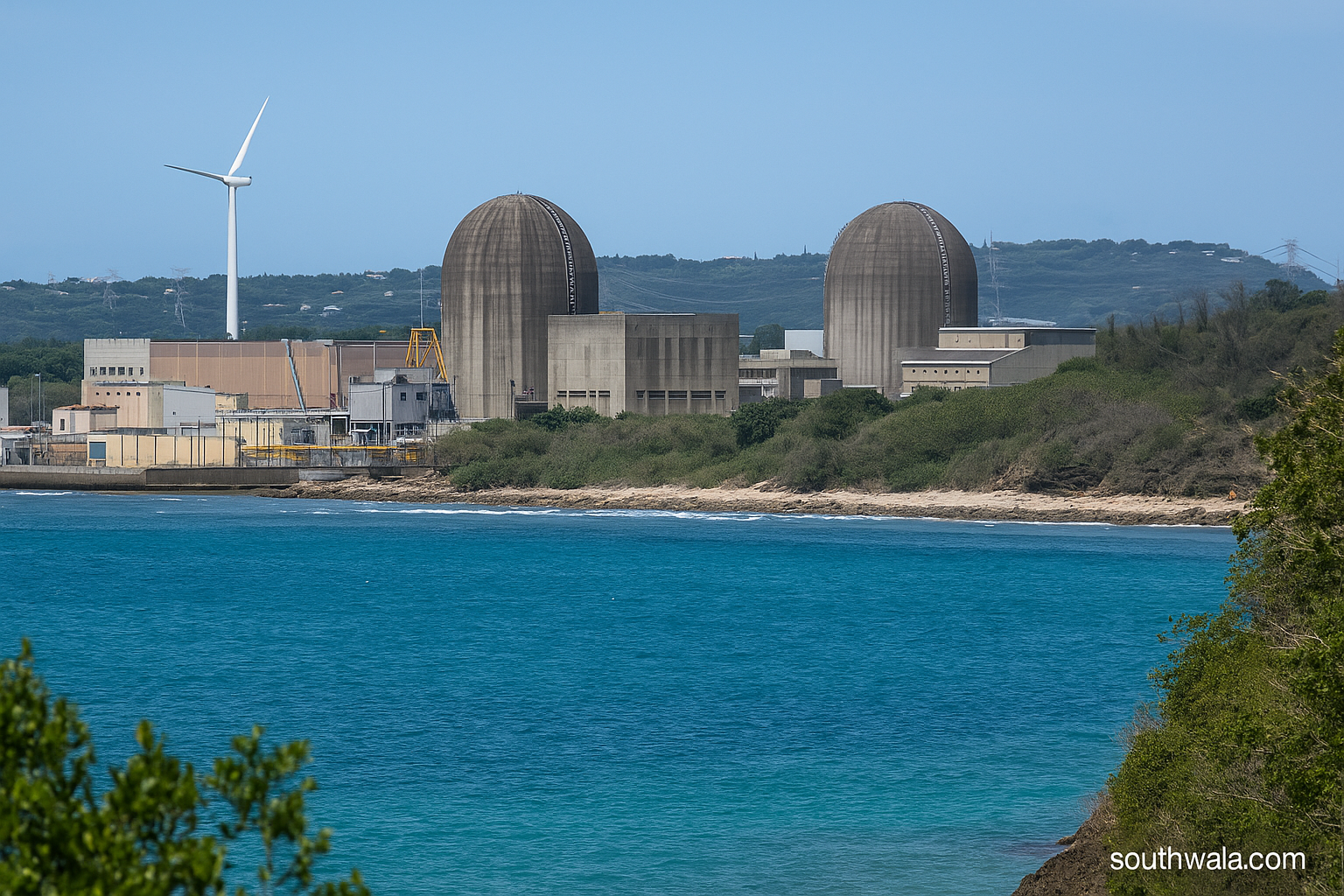
- Taiwan has voted against restarting one of its nuclear power plants, a decision that will keep the island more dependent on fossil fuels.
- The rejection has renewed debate over how Taiwan balances its energy needs with environmental and security concerns.
- With nuclear power off the table, Taiwan remains heavily reliant on coal, natural gas, and other fossil fuels to meet its electricity demand.
- Energy officials warn that this could increase both costs and carbon emissions at a time when many countries are pushing for cleaner alternatives.

Taiwan has voted against restarting one of its nuclear power plants, a decision that will keep the island more dependent on fossil fuels. The rejection has renewed debate over how Taiwan balances its energy needs with environmental and security concerns.
Energy Reliance on Fossil Fuels
With nuclear power off the table, Taiwan remains heavily reliant on coal, natural gas, and other fossil fuels to meet its electricity demand. Energy officials warn that this could increase both costs and carbon emissions at a time when many countries are pushing for cleaner alternatives.
Background of the Nuclear Debate
Taiwan has a long and contested history with nuclear energy. While its plants once contributed significantly to the national grid, public opposition grew after safety concerns, particularly following the 2011 Fukushima disaster in neighboring Japan. Citizens and advocacy groups have consistently raised questions about waste management, safety risks, and the island’s vulnerability to earthquakes.
Security and Infrastructure Concerns
The rejection of the restart highlights broader concerns about energy security. Taiwan’s economy depends heavily on stable electricity supplies, especially for its world-leading semiconductor industry. Critics argue that relying too much on imported fossil fuels makes the island more vulnerable to global price fluctuations and supply disruptions. Supporters of the decision counter that nuclear energy poses risks that outweigh its benefits, particularly in a densely populated region.
Push for Renewable Energy
The government has committed to expanding renewable energy sources, such as wind and solar power. Taiwan has already invested in offshore wind farms, but experts note that renewable expansion has been slower than expected. The latest vote underscores the urgency of accelerating these projects if Taiwan is to reduce fossil fuel dependency.
Taiwan’s rejection of nuclear power once again places energy security and environmental sustainability at the center of national debate. Policymakers face the challenge of meeting rising electricity demand while ensuring safety, affordability, and progress toward climate goals.
Author


Discover more from Southwala
Subscribe to get the latest posts sent to your email.

