
Southwala Shorts
- European Union foreign policy chief Kaja Kallas has said it is not possible to return frozen Russian assets held inside the bloc unless Moscow pays...
- Her comments underline the EU’s firm position as the conflict continues and pressure grows to use seized assets for reconstruction.
- Following Russia’s invasion of Ukraine in February 2022, the European Union, along with its allies, froze a significant portion of Russian state and private assets...
- These included central bank reserves as well as funds belonging to sanctioned individuals and entities.

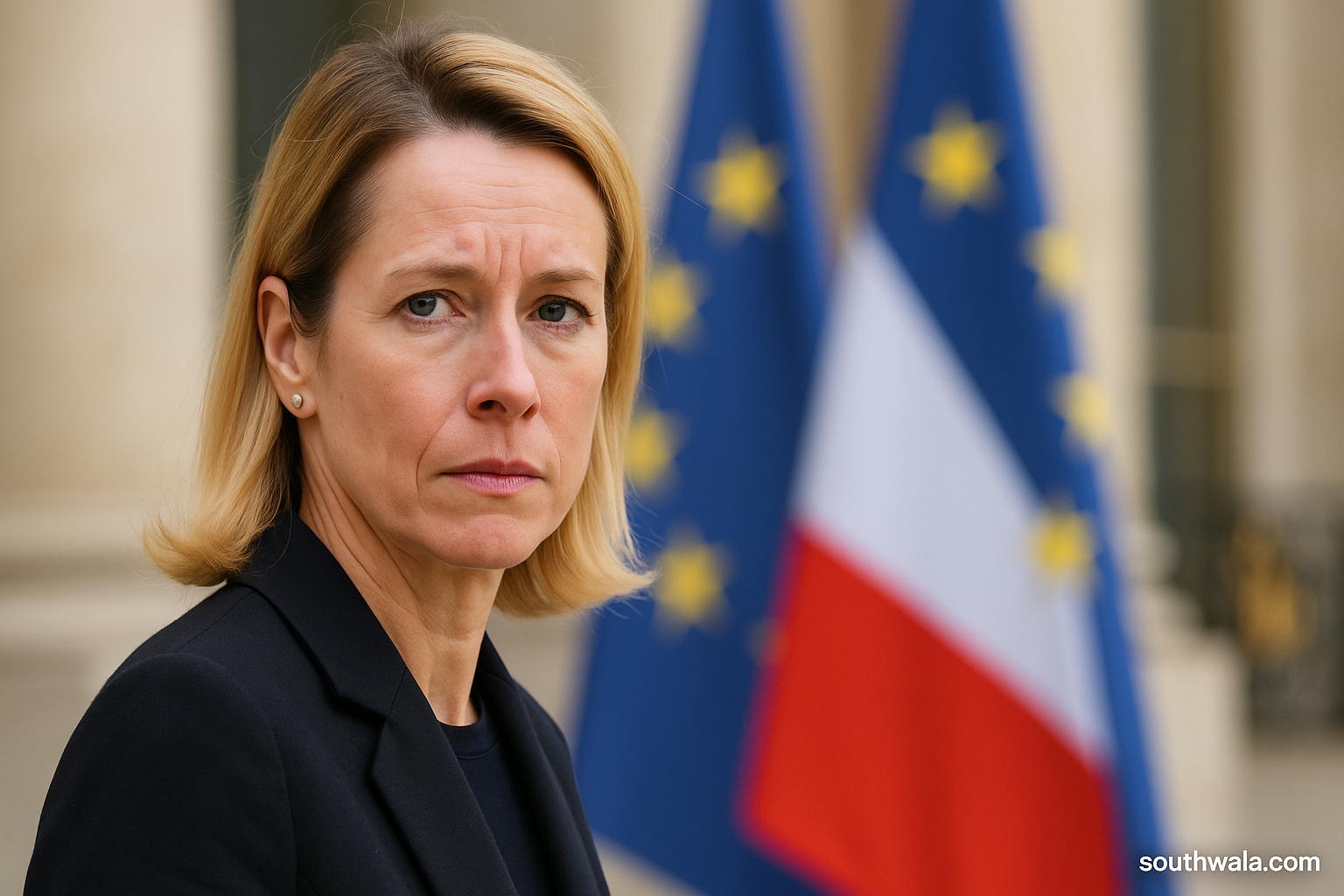
European Union foreign policy chief Kaja Kallas has said it is not possible to return frozen Russian assets held inside the bloc unless Moscow pays reparations for the war in Ukraine. Her comments underline the EU’s firm position as the conflict continues and pressure grows to use seized assets for reconstruction.
Assets Frozen After Invasion
Following Russia’s invasion of Ukraine in February 2022, the European Union, along with its allies, froze a significant portion of Russian state and private assets held in European banks. These included central bank reserves as well as funds belonging to sanctioned individuals and entities.
The decision was taken as part of the broader sanctions regime aimed at weakening Moscow’s ability to finance its military operations. Since then, the fate of these frozen assets has been a matter of ongoing debate within the EU and among international partners.
Reparations as a Precondition
Kallas made clear that any discussion about unfreezing or returning assets must be linked directly to reparations owed to Ukraine. “It is not possible to imagine giving back Russian assets unless Moscow pays reparations,” she said.
This reflects the position that Russia must bear financial responsibility for the destruction caused by the war, including damage to infrastructure, homes, and livelihoods across Ukraine.
The question of how frozen Russian assets should be used has been central to international diplomacy. Western governments have considered legal frameworks that would allow these funds to support Ukraine’s reconstruction, though challenges remain in aligning international law with political objectives.
By setting reparations as a clear precondition, the EU signals that it is unlikely to soften its stance without tangible accountability from Moscow.
Ukraine’s Support and EU Unity
Ukraine has consistently urged its allies to ensure that Russian assets contribute to rebuilding the country. Kallas’ remarks reinforce this demand and highlight the EU’s commitment to standing with Kyiv.
The statement also underscores unity among European leaders in maintaining pressure on Russia, as the war continues to shape Europe’s security and foreign policy agenda.
Author


Discover more from Southwala
Subscribe to get the latest posts sent to your email.

