
Southwala Shorts
- Chandigarh has officially become India’s first city without slums after clearing its last informal settlement, Shahpur Colony.
- The announcement marks a milestone in the country’s urban development journey, highlighting Chandigarh’s planning model and efforts to improve living conditions for its residents.
- Shahpur Colony was the last remaining slum settlement in the city.
- Authorities confirmed that the colony has now been cleared, completing the city’s transformation into a slum-free zone.

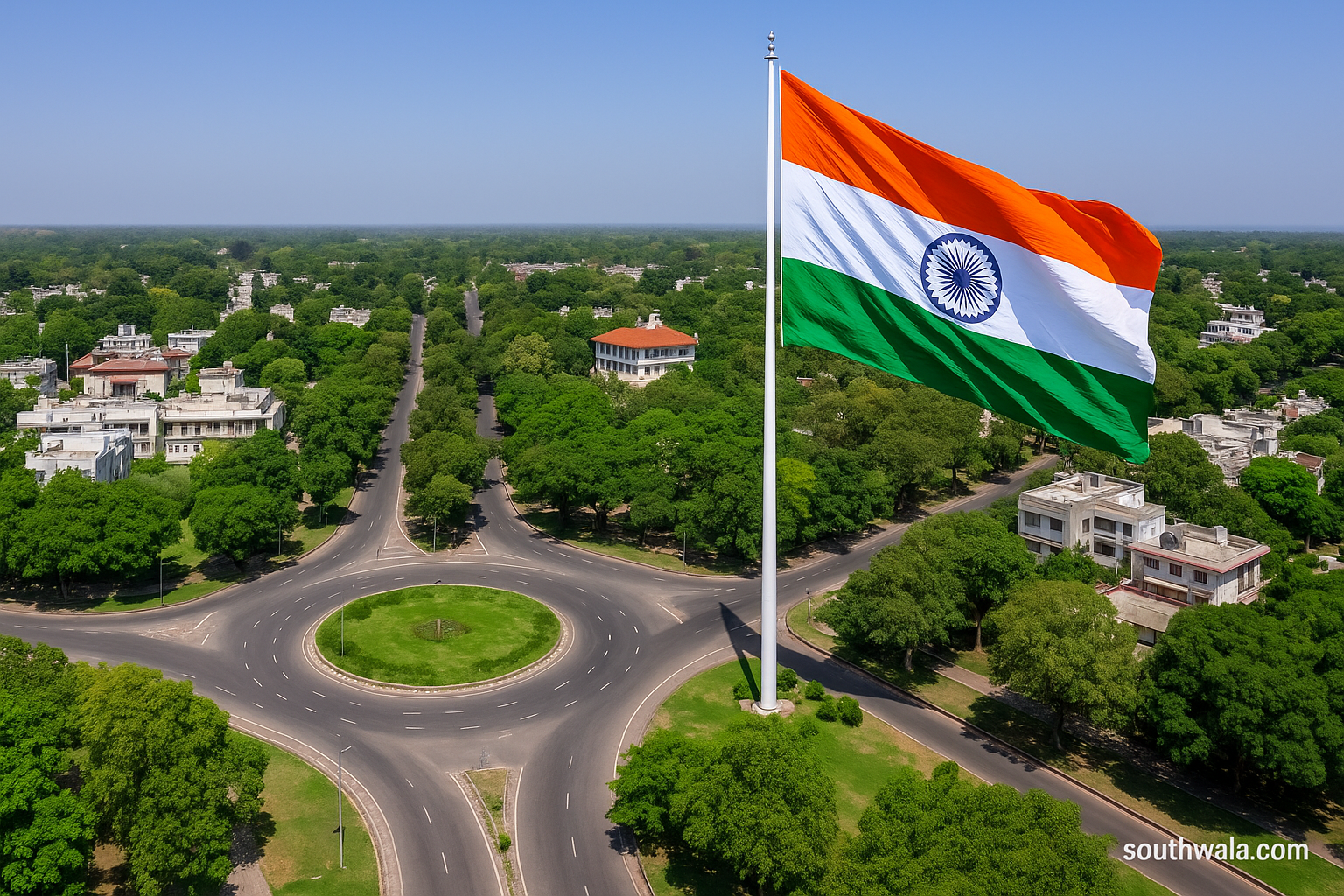
Chandigarh has officially become India’s first city without slums after clearing its last informal settlement, Shahpur Colony. The announcement marks a milestone in the country’s urban development journey, highlighting Chandigarh’s planning model and efforts to improve living conditions for its residents.
Shahpur Colony was the last remaining slum settlement in the city. Authorities confirmed that the colony has now been cleared, completing the city’s transformation into a slum-free zone. This move is part of a larger initiative aimed at ensuring organized housing and better civic amenities for all citizens.
Chandigarh has long been recognized as India’s first planned city, designed by French architect Le Corbusier in the 1950s. Its structured layout, wide roads, and green spaces have set it apart from many other Indian cities. Becoming slum-free further strengthens its identity as a model city, reflecting both urban discipline and governance.
Officials stated that the clearance of slums is not just about removal but also about providing proper housing facilities. Many residents of the former settlements have been relocated under government housing schemes that aim to improve access to sanitation, electricity, and other essential services. The step aligns with broader goals under India’s urban development programs, including the Pradhan Mantri Awas Yojana (PMAY), which focuses on housing for all.
By achieving slum-free status, Chandigarh has set a precedent for other Indian cities grappling with rapid urbanization and unplanned growth. Experts note that while this is a major achievement, sustaining the model requires continuous efforts in urban planning, affordable housing, and social welfare. Globally, cities facing similar challenges may look to Chandigarh as an example of balancing growth with inclusivity.
Chandigarh’s transformation is expected to encourage other metropolitan regions in India to adopt similar strategies. Urban planners suggest that the success of such initiatives depends on a combination of strong governance, citizen participation, and long-term policy vision.
Author


Discover more from Southwala
Subscribe to get the latest posts sent to your email.

