
Southwala Shorts
- A strong atmospheric river system brought heavy rain to Southern California this week, prompting urgent evacuation warnings in multiple parts of Los Angeles County.
- The storm, which peaked between November 13 and 14, delivered a powerful surge of moisture from the Pacific, raising concerns about flash floods and dangerous...
- Officials issued warnings for several burn-scar communities, including Canyon, Bethany, Eaton, Palisades, Hurst, Kenneth, Sunset, Lidia, Franklin, and Bridge.
- These neighborhoods remain highly vulnerable during major storms because wildfire-damaged hillsides cannot absorb water, increasing the risk of fast-moving mud, rock, and water flows.

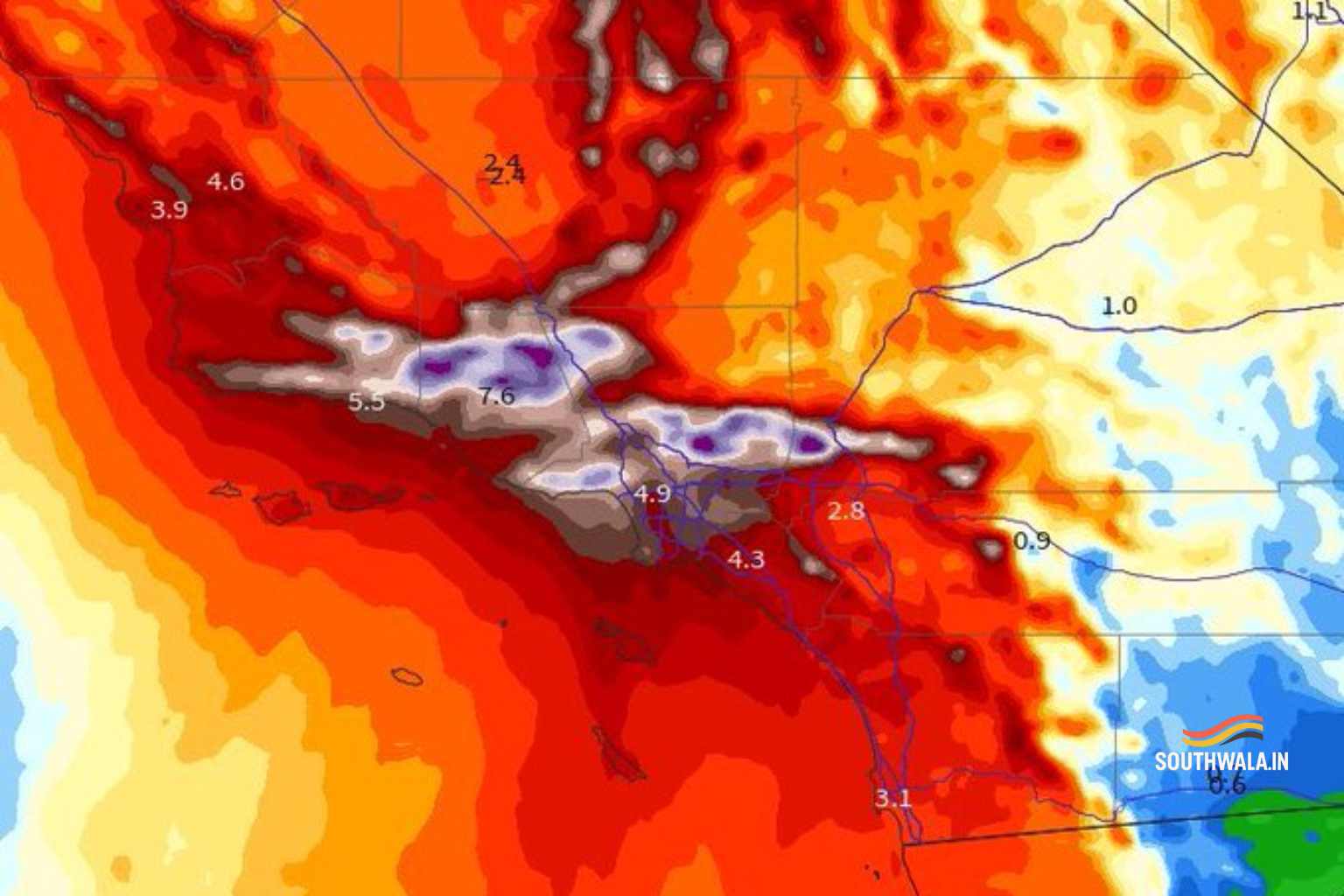
A strong atmospheric river system brought heavy rain to Southern California this week, prompting urgent evacuation warnings in multiple parts of Los Angeles County. The storm, which peaked between November 13 and 14, delivered a powerful surge of moisture from the Pacific, raising concerns about flash floods and dangerous debris flows in areas still recovering from recent wildfires.
Officials issued warnings for several burn-scar communities, including Canyon, Bethany, Eaton, Palisades, Hurst, Kenneth, Sunset, Lidia, Franklin, and Bridge. These neighborhoods remain highly vulnerable during major storms because wildfire-damaged hillsides cannot absorb water, increasing the risk of fast-moving mud, rock, and water flows.
Meteorologists described the event as a “moderate to strong” atmospheric river, a classification indicating elevated flood potential. The system carried a concentrated band of moisture into California, causing steady rainfall that saturated the ground. Burn-scar regions reacted the quickest, with runoff forming rapidly across slopes that have not yet healed from wildfire damage.
Emergency officials worked in advance to reduce risks. Crews were deployed across Los Angeles, Ventura, and Orange counties to help with possible evacuations, clear drainage channels, and monitor unstable hillsides. Authorities urged residents in high-risk zones to pack essential items, secure their homes, and leave immediately if conditions worsened or if officials issued mandatory evacuation orders.
The National Weather Service issued “marginal” to “slight” excessive-rainfall alerts for central and southern California, noting that small shifts in the storm’s movement could significantly increase local flooding. The Weather Prediction Center also warned that even short bursts of intense rainfall could trigger debris flows on bare slopes.
Though the heaviest rainfall is now shifting eastward, forecasters say additional rainbands may continue through the weekend. This means the threat is not completely over, and residents are being asked to remain alert and follow updates closely.
As California continues facing more frequent atmospheric river events, this storm serves as another reminder of the challenges created by wildfire-damaged landscapes and the importance of early warnings that help protect communities in vulnerable areas.
Author


Discover more from Southwala
Subscribe to get the latest posts sent to your email.

