
Southwala Shorts
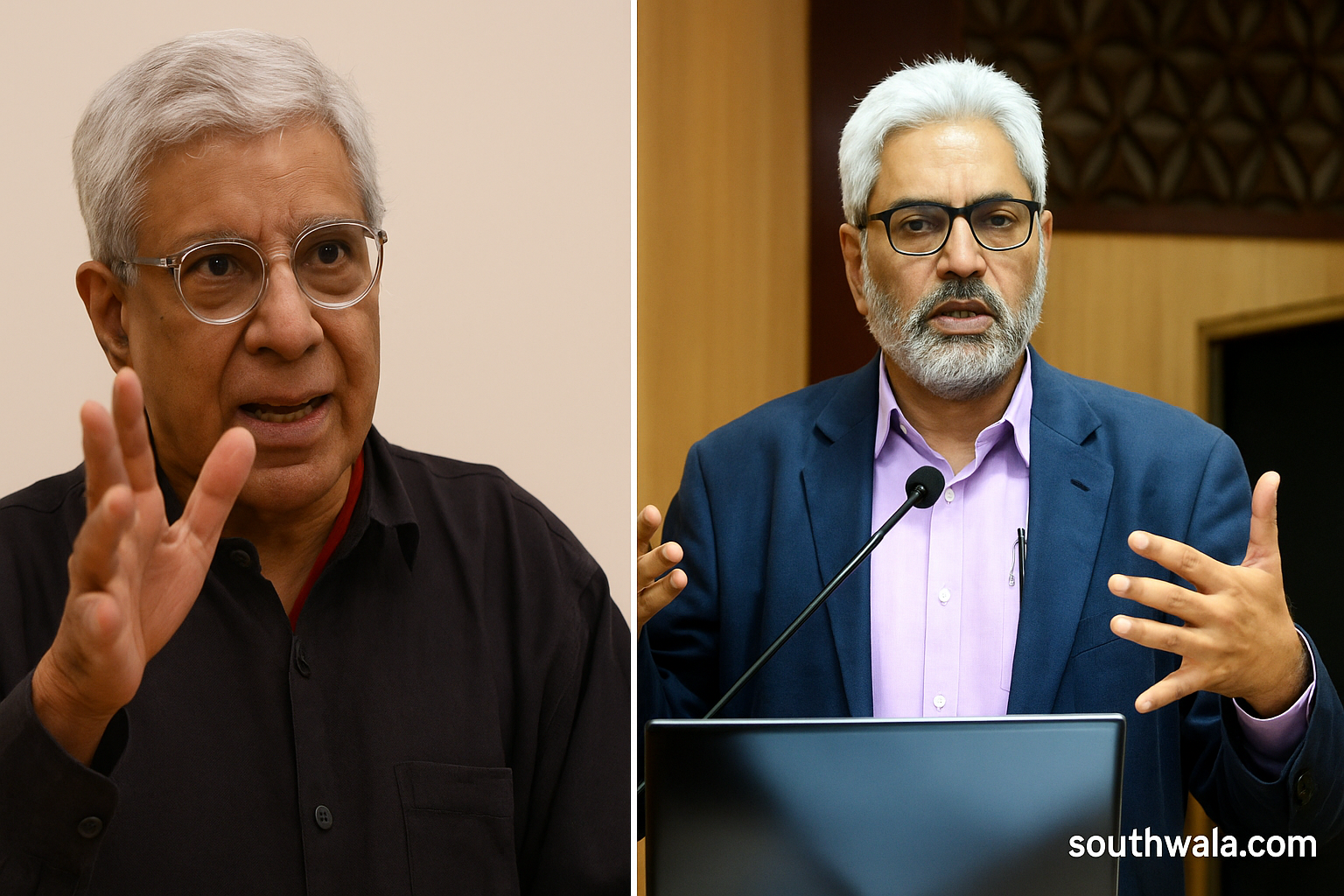
- The Assam Police has invoked the Sedition Law in a second case against The Wire, naming senior journalist Siddharth Varadarajan and veteran interviewer Karan Thapar.
- Both have now received summons from the Assam Crime Branch.
- The case has been registered under Section 152 of the Bharatiya Nyaya Sanhita (BNS), which covers acts considered as “endangering sovereignty, unity, and integrity of...
- This is not the first time that The Wire has come under legal scrutiny.

The Assam Police has invoked the Sedition Law in a second case against The Wire, naming senior journalist Siddharth Varadarajan and veteran interviewer Karan Thapar. Both have now received summons from the Assam Crime Branch.
The case has been registered under Section 152 of the Bharatiya Nyaya Sanhita (BNS), which covers acts considered as “endangering sovereignty, unity, and integrity of India.”
Background of the Case
This is not the first time that The Wire has come under legal scrutiny. The publication has faced several defamation and sedition cases in the past for its critical reporting. What makes this case different is the inclusion of well-known journalist Karan Thapar, who is widely respected for his tough interviews.
The Assam Police alleges that content published and shared by The Wire “disturbs public order” and goes against national unity.
The Law in Question: Section 152
Section 152 of the new criminal code (BNS) replaces the colonial-era Section 124A IPC (Sedition Law). It criminalizes acts that attempt to:
- Bring hatred or contempt against the Government of India
- Endanger sovereignty or integrity of the nation
- Incite violence against the State
The punishment under this law can include imprisonment for life or up to 7 years, along with fines.
Why This Matters
The action has triggered sharp debate in legal and media circles. Critics argue that the sedition law, even in its revised form under BNS, can be misused to silence journalists and limit press freedom.
On the other hand, state authorities defend their move, claiming that the journalists’ statements risk spreading misinformation and creating division among citizens.
- Media fraternity: Several press groups are expected to release statements questioning the use of sedition law against two prominent journalists.
- Legal experts: Some point out that the Supreme Court has earlier flagged misuse of sedition provisions and had even paused fresh arrests under the old Section 124A.
- Public opinion: On social media, reactions are divided. Supporters of free press call it an attack on journalism, while others argue that national security must come first.
What Happens Next
Both Varadarajan and Thapar have been asked to appear before the Assam Crime Branch. The Wire has not yet released a detailed statement, but sources indicate that the legal team is preparing to challenge the case.
The issue could escalate into a larger national debate on press freedom versus national security, a clash that has repeatedly tested Indian democracy.
Author


Discover more from Southwala
Subscribe to get the latest posts sent to your email.

