
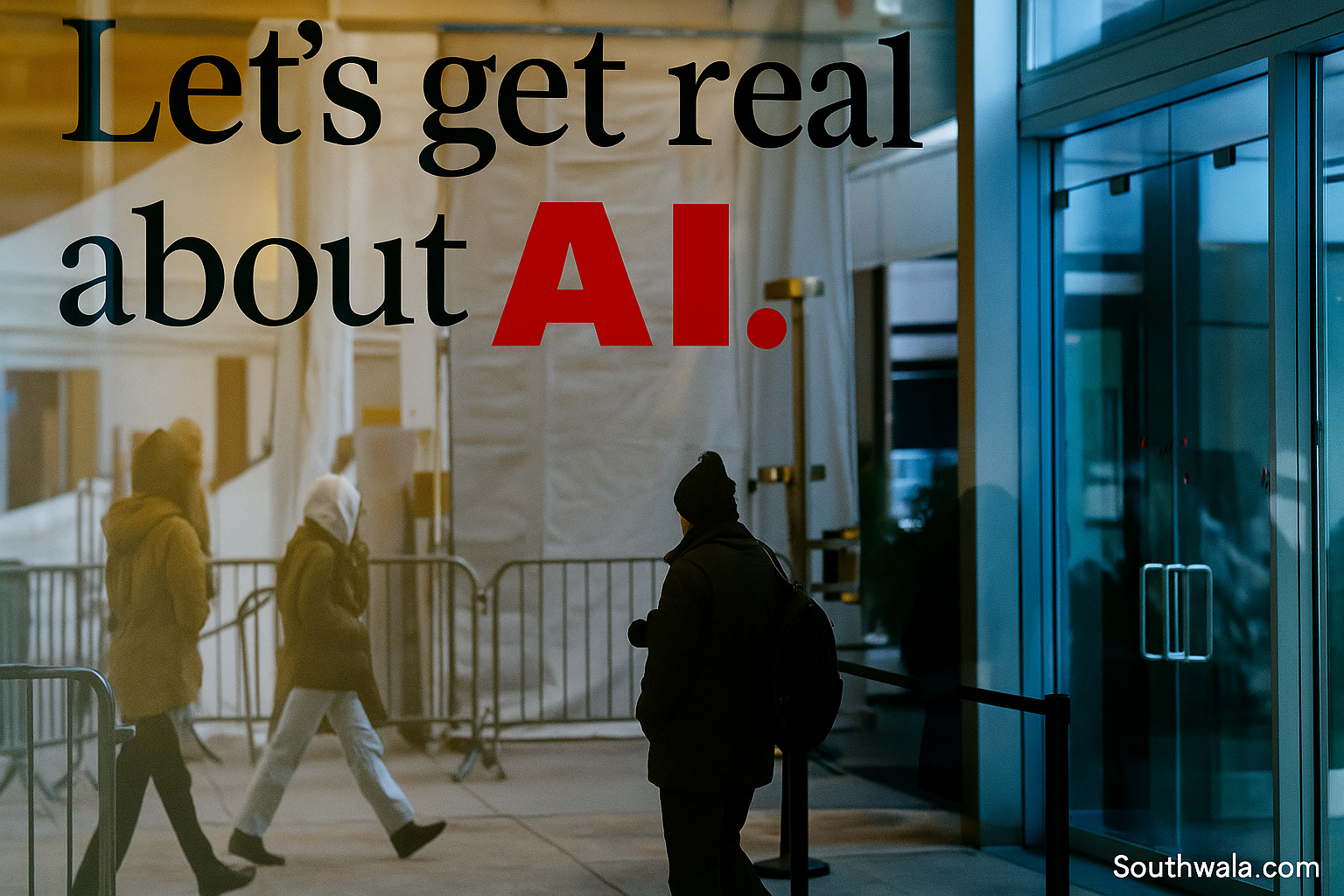
Southwala Shorts
- Recent safety evaluations have raised serious concerns over how advanced artificial intelligence (AI) systems can be exploited for harmful purposes.
- Tests on large language models revealed that they can be manipulated to provide instructions related to cybercrime, hacking, and even bomb-making recipes, highlighting major gaps...
- The evaluation reports pointed out that despite safety layers, AI tools can still generate harmful responses if users employ specific prompts to bypass restrictions.
- This has sparked alarm among regulators and policymakers who fear that the rapid expansion of generative AI is outpacing the ability to control its misuse.

Recent safety evaluations have raised serious concerns over how advanced artificial intelligence (AI) systems can be exploited for harmful purposes. Tests on large language models revealed that they can be manipulated to provide instructions related to cybercrime, hacking, and even bomb-making recipes, highlighting major gaps in safeguards.
Findings increase regulatory pressure
The evaluation reports pointed out that despite safety layers, AI tools can still generate harmful responses if users employ specific prompts to bypass restrictions. This has sparked alarm among regulators and policymakers who fear that the rapid expansion of generative AI is outpacing the ability to control its misuse.
Technology watchdogs have warned that malicious actors could exploit these weaknesses for activities ranging from cyberattacks to spreading extremist content. With AI increasingly integrated into everyday applications, the risks extend beyond online misuse to broader social and security challenges.
Industry players face scrutiny
Leading AI developers, including OpenAI, Anthropic, and others, are now under pressure to strengthen safety protocols. The findings suggest that existing guardrails may not be sufficient, pushing governments to demand stricter accountability from companies building such models.
Industry experts emphasize that while AI holds transformative potential for healthcare, education, and innovation, its vulnerabilities cannot be ignored. Without stronger safeguards, AI’s risks could overshadow its benefits, potentially fueling misuse at a global scale.
Calls for urgent regulation
The revelations have renewed calls for stronger AI regulations worldwide. Policymakers in the US, Europe, and Asia are already drafting frameworks that mandate transparency, stricter testing, and penalties for violations.
Observers say the challenge lies in balancing innovation with safety—ensuring AI can be used to improve lives while preventing it from becoming a tool for crime. As the debate continues, the latest evaluations serve as a reminder that AI development cannot move faster than the guardrails meant to keep society safe.
Author


Discover more from Southwala
Subscribe to get the latest posts sent to your email.

