Southwala Shorts
- Doctors and researchers began calling sitting the new smoking because of the way it quietly harms the body over time.
- Just as smoking became linked to lung cancer after years of research, long sitting is now linked to lifestyle diseases.
- The harm builds slowly, without pain in the beginning, which makes it even more dangerous.
- Long hours of sitting reduces blood flow and makes it harder for the body to burn fat.

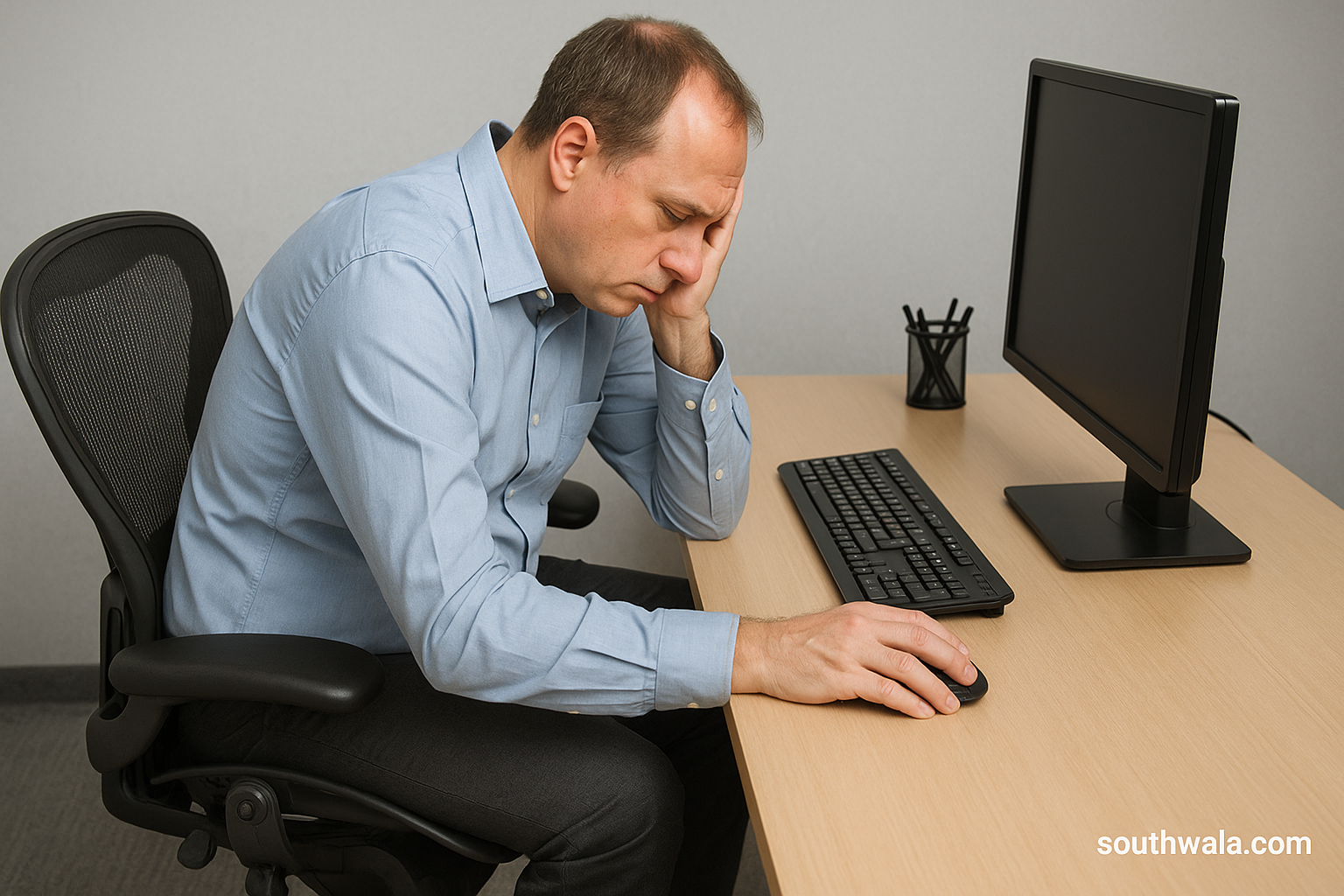
Doctors and researchers began calling sitting the new smoking because of the way it quietly harms the body over time. Just as smoking became linked to lung cancer after years of research, long sitting is now linked to lifestyle diseases. The harm builds slowly, without pain in the beginning, which makes it even more dangerous.
Effect on the Heart
Long hours of sitting reduces blood flow and makes it harder for the body to burn fat. This leads to the build up of cholesterol and higher blood pressure. Over time, the risk of heart attacks increases. For example, employees in IT companies who sit for 9 to 10 hours daily have been found to show early signs of heart strain even before the age of 40.
Impact on Weight and Diabetes
When the body stays still for too long, metabolism slows down. Calories are not burned effectively, and fat starts to collect around the belly. Research has shown that people who sit more than 8 hours daily are at a higher risk of type 2 diabetes. An example can be seen among urban professionals who sit for work during the day and then sit again while watching television at night.
Link with Cancer
Some studies suggest that long sitting may increase the chances of colon, breast, and lung cancers. The reason is connected to poor insulin control and inflammation in the body. While smoking directly damages the lungs, sitting silently affects multiple organs in indirect ways.
Mental Health
Sitting is also linked to higher stress, anxiety, and depression. Lack of physical activity reduces the release of endorphins, the natural mood boosters. For instance, students preparing for exams often sit for 12 hours or more daily, leading to mental fatigue and mood swings.
Modern Lifestyle
Remote work, online education, and digital entertainment have all increased screen time. A person may start the day at a desk, continue with online meetings, and end the day on a sofa watching OTT shows. This pattern creates a cycle similar to the chain effect of smoking.
Practical Changes
Regular breaks, short walks, and stretching can reduce risks. Standing desks are being adopted in offices worldwide to promote movement. Even small acts like taking stairs or walking during phone calls can make a difference.
FAQs
- Is sitting harmful even with daily exercise
Yes, long hours of sitting cancel out the benefits of short workouts if movement is missing through the day. - How many hours of sitting daily becomes risky
Studies show more than 6 to 8 hours daily increases the chances of disease. - Can standing desks solve the issue completely
No, but they reduce the hours of sitting and encourage better posture. - Is the risk equal for young people and older people
The risk exists for all, but younger people may not feel symptoms until later years. - Can walking for short intervals protect health
Yes, walking for five minutes after every 30 to 45 minutes of sitting reduces the impact greatly.
Author


Discover more from Southwala
Subscribe to get the latest posts sent to your email.