Southwala Shorts
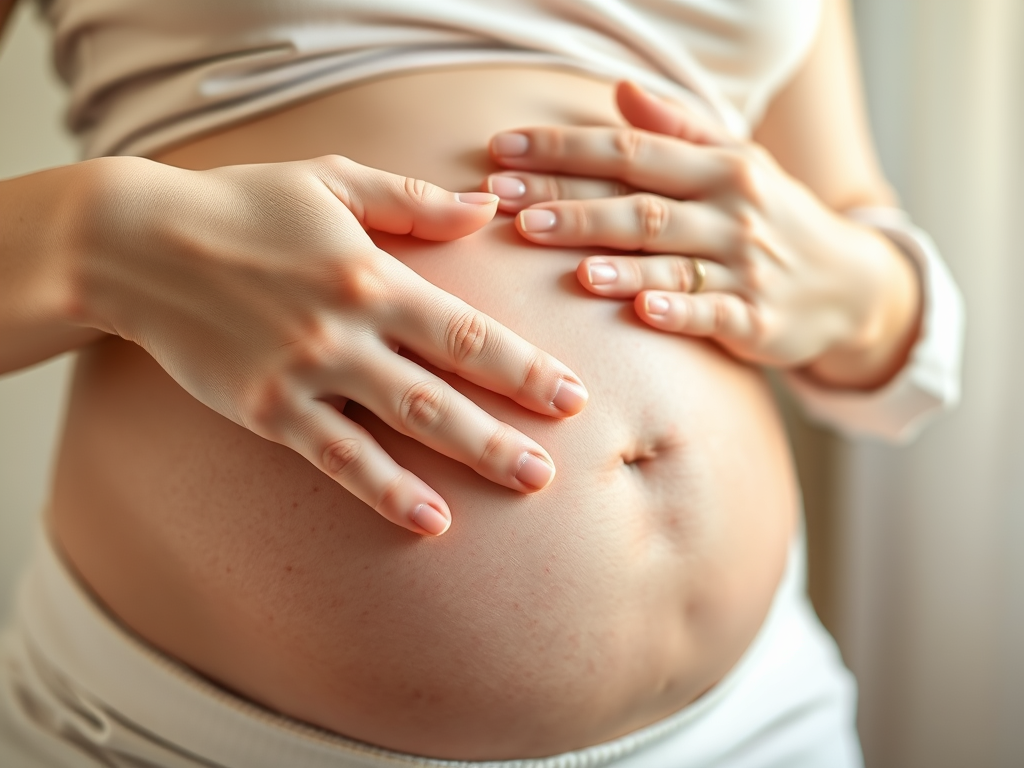
- Pregnancy brings several changes to a woman’s body beyond the growing baby bump.
- Among these changes, some women notice new moles, darkening of existing ones, or the sudden appearance of small skin tags.
- These developments are usually harmless but can cause concern if unexpected.
- Pregnancy brings several changes to a woman’s body beyond the growing baby bump.

Pregnancy brings several changes to a woman’s body beyond the growing baby bump. Among these changes, some women notice new moles, darkening of existing ones, or the sudden appearance of small skin tags. These developments are usually harmless but can cause concern if unexpected.
Pregnancy
Pregnancy brings several changes to a woman’s body beyond the growing baby bump. Among these changes, some women notice new moles, darkening of existing ones, or the sudden appearance of small skin tags. These developments are usually harmless but can cause concern if unexpected.
Hormonal Shifts During Pregnancy
Pregnancy hormones such as estrogen and progesterone rise sharply.
- These hormones stimulate the growth of skin cells and pigment-producing cells (melanocytes).
- Increased cell activity can make moles appear darker or cause new ones to form.
- The same hormonal effect also explains dark patches of skin (melasma) seen during pregnancy.
Increased Blood Flow and Skin Stretching
During pregnancy, blood circulation expands to support the baby.
- Extra blood supply stimulates tissue growth, including the skin.
- Areas like the neck, underarms, and breasts often stretch due to weight gain or hormonal influence.
- This stretching combined with friction makes skin tags more common in these regions.
Genetic and Individual Factors
Not all women develop new moles or skin tags during pregnancy.
- Family history plays a role in skin changes.
- Women with naturally darker skin or a history of moles may notice more changes.
- Obesity or rapid weight gain also increases the likelihood of skin tags.
Medical Perspective on Safety
Most pregnancy-related moles and skin tags are harmless. However, dermatologists advise monitoring for changes in:
- Shape (irregular edges)
- Size (rapid growth)
- Color (uneven or very dark shades)
- Pain, itching, or bleeding
These symptoms may need medical evaluation to rule out rare conditions like skin cancer.
Managing Moles and Skin Tags
- Skin tags can be safely removed after pregnancy if they cause discomfort.
- Using loose clothing reduces friction and irritation.
- A balanced diet and controlled weight gain help limit excessive skin stretching.
- Dermatological checks provide reassurance when changes seem unusual.
Moles and skin tags during pregnancy are usually a normal response to hormonal shifts, increased blood flow, and skin stretching. While mostly harmless, women should remain alert to unusual changes and consult doctors if needed. Awareness ensures peace of mind and proper care during this important stage of life.
FAQs
1. Can pregnancy hormones cause new moles?
Yes, hormonal surges stimulate skin cell and pigment growth.
2. Can skin tags appear more during pregnancy?
Yes, especially in areas with friction like the neck, breasts, and underarms.
3. Can all women develop these changes?
No, genetics and lifestyle influence the likelihood.
4. Can skin tags be removed during pregnancy?
Doctors usually suggest waiting until after delivery unless they cause severe irritation.
5. Can unusual moles during pregnancy be dangerous?
Yes, if they change rapidly or look irregular, medical advice is important.
Author


Discover more from Southwala
Subscribe to get the latest posts sent to your email.