Southwala Shorts
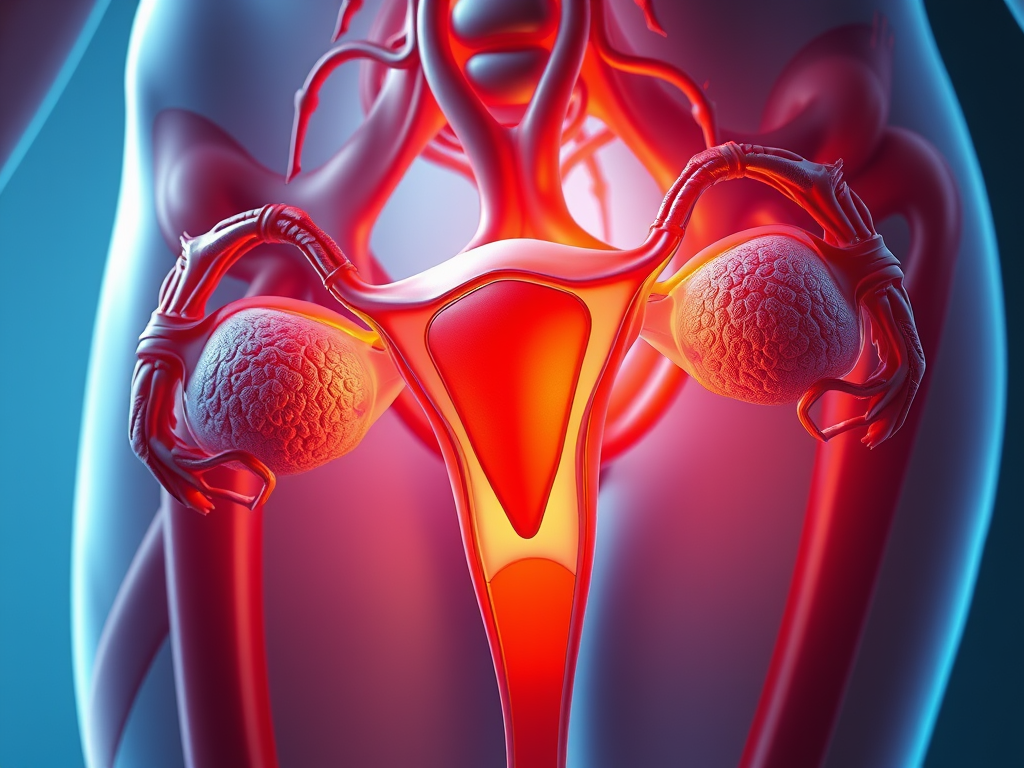
- Ovaries are an essential part of the female reproductive system.
- Each woman has two ovaries, one on the left side and one on the right side of the uterus.
- Both play a key role in releasing eggs and supporting pregnancy.
- Many people wonder if one ovary is better than the other for conceiving.

Ovaries are an essential part of the female reproductive system. Each woman has two ovaries, one on the left side and one on the right side of the uterus. Both play a key role in releasing eggs and supporting pregnancy. Many people wonder if one ovary is better than the other for conceiving. Medical science provides a clear and balanced understanding.
Role of Ovaries in Conception
Every month, during the menstrual cycle, one ovary releases an egg in a process called ovulation. This egg travels down the fallopian tube, waiting to be fertilized by sperm. If fertilization happens, the embryo moves into the uterus and pregnancy begins.
Both ovaries are capable of releasing eggs, and nature usually alternates the process. This means sometimes the left ovary releases the egg, while at other times the right ovary does.
Is One Ovary More Effective
Medical studies show no fixed superiority of the left or right ovary. Both can release healthy eggs, and both can support conception. However, certain conditions may influence which ovary becomes more active.
- Some women naturally ovulate more from one side.
- Blood supply to the right ovary is slightly stronger due to its connection with a major vein, which may sometimes influence ovulation frequency.
- In rare cases, structural differences or medical issues may make one ovary less active.
Overall, pregnancy can happen from either side, and both ovaries contribute equally to fertility.
Pregnancy with a Single Ovary
Even if one ovary is removed or inactive due to surgery, cysts, or other reasons, many women can still conceive naturally. The remaining ovary can take over the function of ovulation. As long as there is at least one healthy ovary, one fallopian tube, and a healthy uterus, chances of pregnancy remain strong.
Factors That Influence Success
The effectiveness of the ovaries in supporting pregnancy is connected more to health than to left or right positioning. Key factors include:
- Age of the woman
- Egg quality and reserve
- Hormonal balance
- Presence of conditions like PCOS, endometriosis, or blocked fallopian tubes
Thus, fertility depends more on overall reproductive health than on which ovary releases the egg.
There is no “best ovary” for pregnancy. Both ovaries are designed to perform the same function, and either can release an egg that results in conception. The focus should remain on maintaining reproductive health, timely medical checkups, and addressing conditions that may reduce fertility.
FAQs
Can pregnancy happen from the left ovary?
Yes, pregnancy can occur from either ovary if the egg is healthy and fertilization takes place.
Can women with only one ovary conceive?
Yes, one healthy ovary is enough to support natural conception.
Can one ovary work better than the other?
Sometimes one ovary may release eggs more often, but both are capable of pregnancy.
Can ovarian problems reduce fertility?
Yes, conditions like PCOS, cysts, or blocked tubes can reduce fertility, regardless of which ovary is involved.
Can both ovaries release eggs at the same time?
Yes, though rare, both ovaries can release eggs together, which sometimes results in fraternal twins.
Author


Discover more from Southwala
Subscribe to get the latest posts sent to your email.