Southwala Shorts
- Fatty liver disease has quietly become one of the fastest-growing health problems in India and globally.
- For a long time, people believed liver damage was mainly caused by alcohol.
- But doctors are now treating a growing number of Non-Alcoholic Fatty Liver Disease (NAFLD) cases in people who have never touched alcohol in their lives.
- This silent condition is being called the next lifestyle epidemic because it is directly linked with the way we eat, sleep, work, and handle stress.

Fatty liver disease has quietly become one of the fastest-growing health problems in India and globally. For a long time, people believed liver damage was mainly caused by alcohol. But doctors are now treating a growing number of Non-Alcoholic Fatty Liver Disease (NAFLD) cases in people who have never touched alcohol in their lives.
This silent condition is being called the next lifestyle epidemic because it is directly linked with the way we eat, sleep, work, and handle stress.
Understanding Non-Alcoholic Fatty Liver Disease (NAFLD)
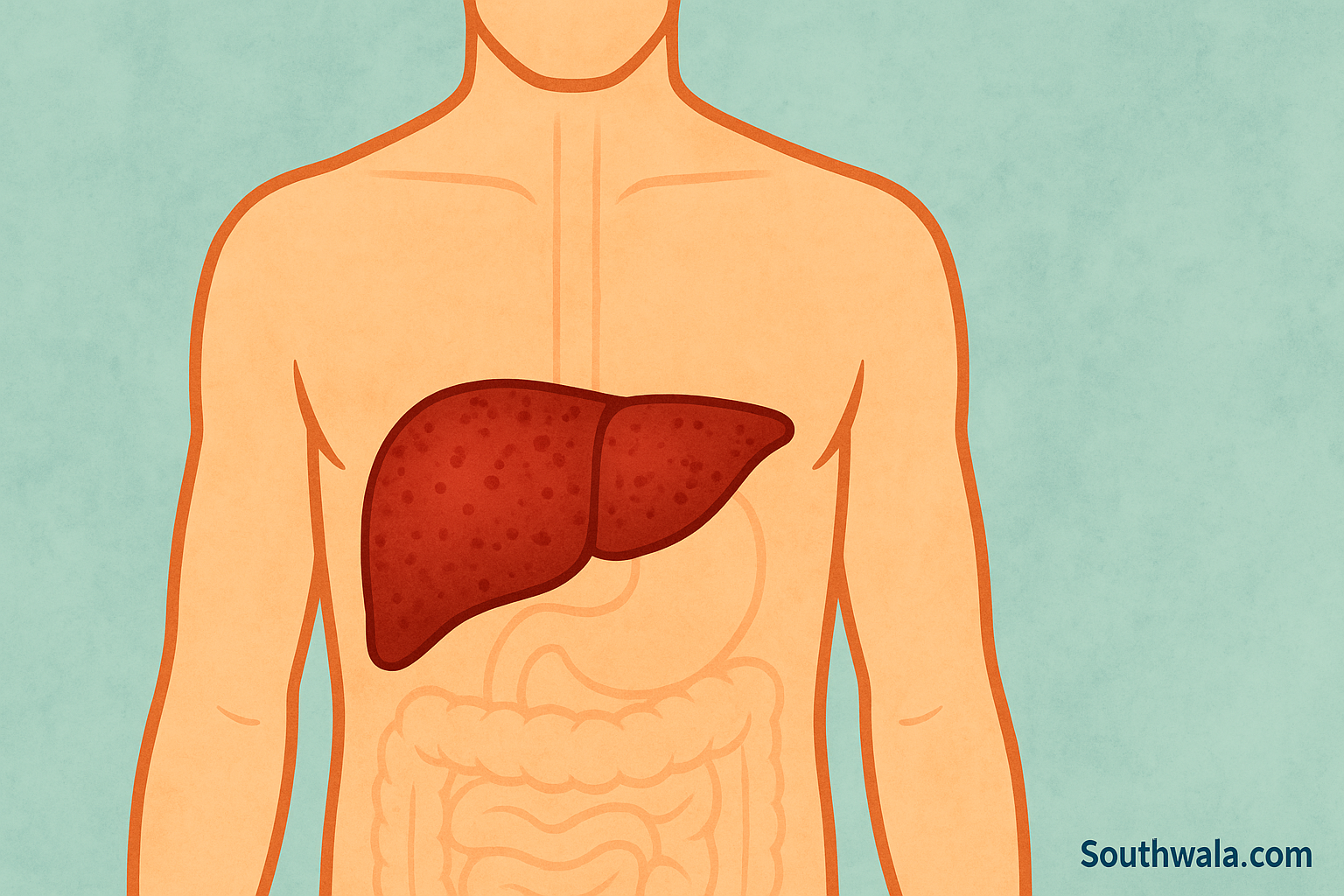
The liver is the body’s natural filter. It processes food, detoxifies harmful substances, and stores energy. In NAFLD, fat slowly builds up inside liver cells. If this fat makes up more than 5 to 10 percent of the liver’s weight, it is considered fatty liver.
Unlike alcohol-related liver damage, this condition is caused by:
- High calorie diet
- Irregular sleep cycles
- Sedentary lifestyle
- Hormonal imbalances
- Insulin resistance
Key Reasons for the Rise
Lifestyle and Food Habits
Indians today eat far more packaged food, refined carbs, and fried snacks than earlier generations. For example, office workers depend on fast food deliveries at odd hours. This overload of sugar and trans-fat directly increases fat storage in the liver.
Sedentary Work Culture
Sitting for 10 to 12 hours in front of screens reduces metabolism. The liver cannot burn fat effectively, leading to slow fat deposition.
Stress and Poor Sleep
Stress triggers hormones like cortisol, which interfere with the liver’s ability to process fat. Irregular sleep adds another layer of risk.
Diabetes and Obesity
Doctors note that more than 70 percent of people with diabetes are at risk of developing NAFLD. Even young professionals in their 20s and 30s are being diagnosed.
Early Warning Signs
Fatty liver usually develops silently. Still, a few indicators may show up:
- Constant tiredness even after rest
- Feeling bloated or heavy
- Pain or dull ache on the right side of the stomach
- Unexpected weight gain or difficulty reducing belly fat
- Dark patches on the skin (often linked to insulin resistance)
In many cases, patients discover it only through a routine ultrasound or blood test.
Health Risks If Ignored
Fatty liver can progress in stages:
- Simple Fatty Liver (Steatosis): Fat begins to deposit but the liver is still functioning.
- NASH (Non-Alcoholic Steatohepatitis): Inflammation starts, causing liver damage.
- Fibrosis: Scar tissues form as the liver tries to heal itself.
- Cirrhosis: Severe damage where normal liver tissue is replaced by scar tissue, leading to liver failure.
It also increases the risk of:
- Heart attacks and strokes
- Type 2 diabetes
- High blood pressure
- Certain liver cancers
Daily Habits That Protect the Liver
Food Choices
- Prefer natural foods like fruits, vegetables, whole grains, and lean proteins.
- Cut down on refined carbs like white bread, maida, and sugary drinks.
- Avoid excessive fried or junk food.
Physical Activity
- At least 30 minutes of brisk walking, yoga, or cycling daily.
- Avoid long sitting by standing or stretching every hour.
Sleep and Stress Management
- Maintain a fixed sleep schedule of 7 to 8 hours.
- Practice meditation, deep breathing, or light hobbies to reduce stress.
Health Monitoring
- Get liver function tests if you have obesity, diabetes, or high cholesterol.
- Annual health checkups are strongly recommended.
Example Cases Doctors See
- A 29-year-old software engineer, non-drinker, discovered fatty liver in a routine check-up. The cause: late-night coding sessions, pizza-heavy diet, and no exercise.
- A 40-year-old homemaker with normal weight was diagnosed due to high sugar intake and lack of physical activity.
These cases show it is not just about alcohol or weight it is about overall lifestyle.
FAQs
1. Can children or teenagers get fatty liver?
Yes, childhood obesity and junk food culture are leading to rising cases in children and teens.
2. Is fatty liver reversible?
Yes, in early stages. With diet, exercise, and lifestyle changes, fat in the liver can reduce.
3. Can fatty liver exist without symptoms?
Absolutely. Most patients don’t feel anything until it is advanced.
4. Do medicines cure fatty liver?
Currently, no direct medicine exists. Lifestyle correction is the best treatment. Doctors may prescribe supplements or medicines for related conditions like diabetes or cholesterol.
5. Should everyone go for liver tests?
People above 25, especially with sedentary jobs, diabetes, or obesity, should undergo periodic liver checks.
Author


Discover more from Southwala
Subscribe to get the latest posts sent to your email.