Southwala Shorts
- Pregnancy is one of the most beautiful and transformative times in a woman’s life, but it also comes with emotional and physical challenges.
- The excitement of bringing new life into the world often mixes with fear, uncertainty, and hormonal changes.
- These shifts can trigger anxiety or panic episodes that may feel overwhelming.
- Managing these feelings calmly and confidently is essential for both the mother’s and the baby’s well-being.

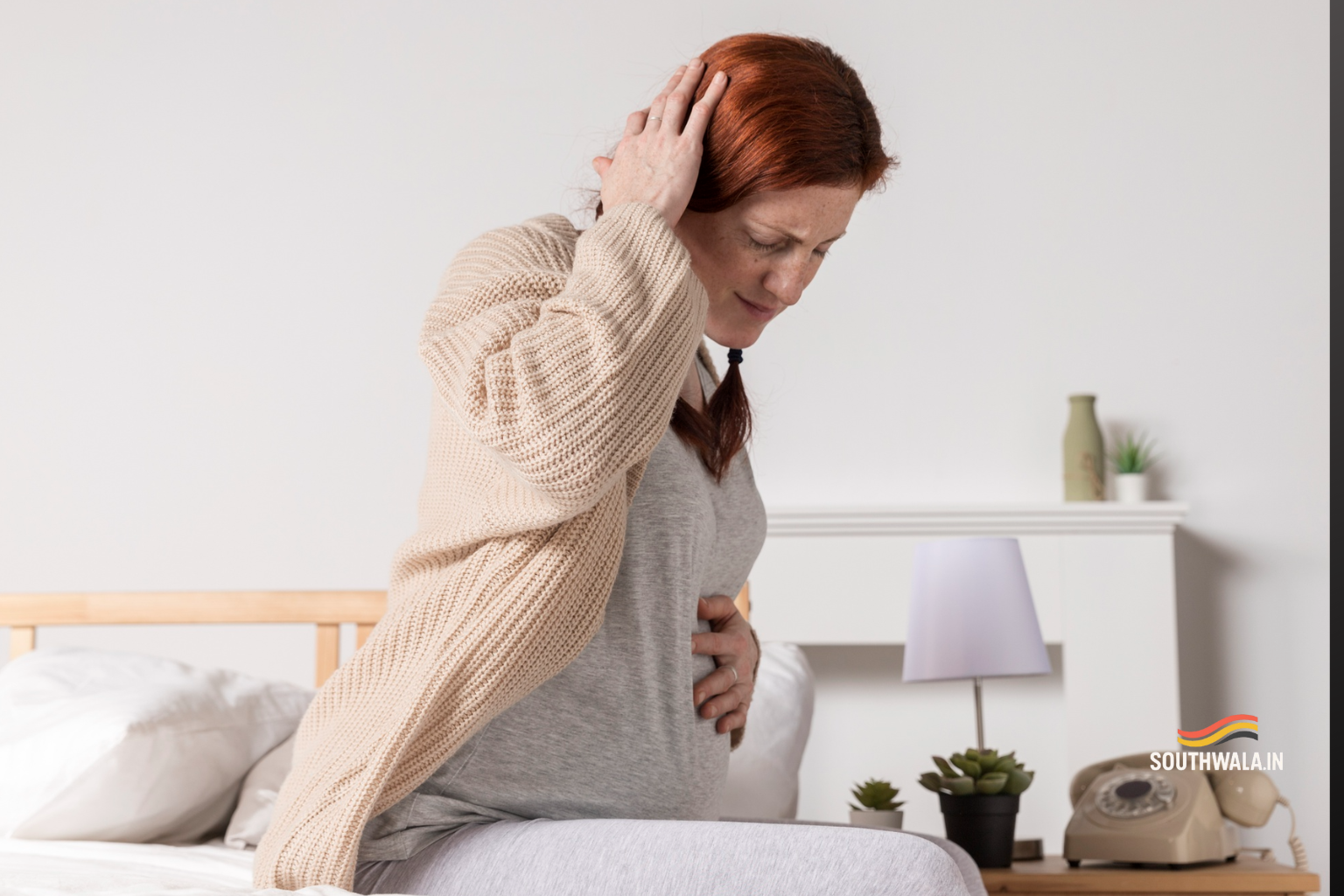
Pregnancy is one of the most beautiful and transformative times in a woman’s life, but it also comes with emotional and physical challenges. The excitement of bringing new life into the world often mixes with fear, uncertainty, and hormonal changes. These shifts can trigger anxiety or panic episodes that may feel overwhelming. Managing these feelings calmly and confidently is essential for both the mother’s and the baby’s well-being.
Understanding Pregnancy Anxiety
During pregnancy, hormones like progesterone and estrogen rise sharply. These hormonal shifts influence the brain’s chemistry and can heighten emotional sensitivity. Combined with changes in the body, health concerns, and social or financial worries, it becomes natural for some expectant mothers to feel anxious.
Mild anxiety is common and temporary, but frequent or intense feelings of worry, nervousness, or panic can affect sleep, appetite, and focus. Recognizing these feelings early and learning how to manage them helps ensure a healthier pregnancy journey.
Recognizing the Signs
Anxiety and panic often appear both emotionally and physically. Common emotional signs include constant worry, mood swings, restlessness, or irritability. Physical signs can include a fast heartbeat, dizziness, shortness of breath, or sweating.
Pregnancy already brings physical changes, so it can be hard to separate normal symptoms from anxiety. However, when these feelings become intense or frequent, it is a sign that the body and mind need rest and support.
Why Panic and Anxiety Occur During Pregnancy
The fear of childbirth, body image concerns, relationship changes, and new responsibilities can create mental stress. Social media, excessive online research about pregnancy risks, or stories of complications may also increase fear.
Many women also face anxiety due to past experiences like miscarriages or medical issues. Understanding that anxiety is a natural emotional response rather than a flaw is the first step toward healing.
Simple Techniques to Manage Anxiety During Pregnancy
Practice Deep Breathing
Slow, steady breathing helps calm the nervous system and reduce the intensity of panic. Inhale gently through the nose for four counts, hold for one, and exhale slowly through the mouth for six counts. Repeating this for a few minutes restores calm.
Create a Steady Routine
A structured day reduces mental clutter. Eating on time, sleeping at regular hours, and scheduling small moments of rest create emotional balance.
Move the Body Gently
Prenatal yoga, slow walking, or stretching releases endorphins that naturally reduce anxiety. Gentle movement also improves sleep and boosts energy levels.
Eat Balanced Meals
Nutrient-rich meals stabilize mood and blood sugar levels. Include foods high in omega-3 fatty acids, whole grains, fruits, and green vegetables. Avoid excess caffeine or sugar as they may increase restlessness.
Reduce Information Overload
Excessive reading about risks or complications can worsen anxiety. Focus on reliable information and discuss questions directly with a doctor instead of relying on random online sources.
Build Emotional Support
Sharing feelings with a trusted partner, friend, or counselor helps release pressure. Joining prenatal support groups can also provide comfort through shared experiences.
Get Proper Rest
Fatigue can make anxiety worse. A quiet environment, comfortable sleep posture, and screen-free evenings support better sleep and relaxation.
Use Mindfulness or Meditation
Simple mindfulness practices help bring attention to the present moment. Spending a few minutes visualizing positive outcomes helps reduce fear and build emotional strength.
When to Seek Professional Help
If anxiety or panic attacks become frequent or start affecting daily life, professional support is important. Therapies like Cognitive Behavioral Therapy are safe during pregnancy and help manage negative thoughts effectively. In some cases, doctors may recommend safe medications under medical supervision.
Seeking help is not a sign of weakness but an act of strength. Addressing mental well-being early protects both mother and baby and prevents postpartum depression later.
The Role of Family and Partners
Pregnancy is easier to manage when emotional support is strong. Partners and family members play an important role in creating a calm environment. Listening, showing patience, and sharing responsibilities help reduce stress. Simple gestures such as preparing meals, attending doctor visits, or offering reassurance can make a big difference.
Support from loved ones ensures that the mother feels understood and emotionally secure, which directly benefits the baby’s development.
Practicing Self-Compassion
Pregnancy is not about perfection but about progress. Feeling anxious does not make anyone a bad mother; it makes them human. Accepting that it is normal to have fears allows healing to begin. Self-care, positive affirmations, and gentle kindness toward oneself create peace during this phase.
Every mother has a unique journey. Embracing that journey with patience helps transform anxiety into strength.
Frequently Asked Questions (FAQs)
How can anxiety affect pregnancy health
Mild stress is common, but chronic anxiety can disturb sleep, increase blood pressure, and cause fatigue. Managing it early ensures emotional balance.
Can breathing and relaxation techniques really help
Yes, breathing exercises calm the nervous system and reduce the intensity of panic or anxious thoughts.
Are natural remedies safe during pregnancy?
Relaxation, yoga, and mindfulness are safe options, but herbal or medical remedies should only be used after consulting a doctor.
How can family members help during anxious moments
Offering emotional support, staying calm, and helping with daily tasks make the expecting mother feel secure and less overwhelmed.
Can therapy or counseling be used during pregnancy
Yes, professional counseling is safe and highly effective for managing anxiety without using medication in most cases.
Author


Discover more from Southwala
Subscribe to get the latest posts sent to your email.