Southwala Shorts
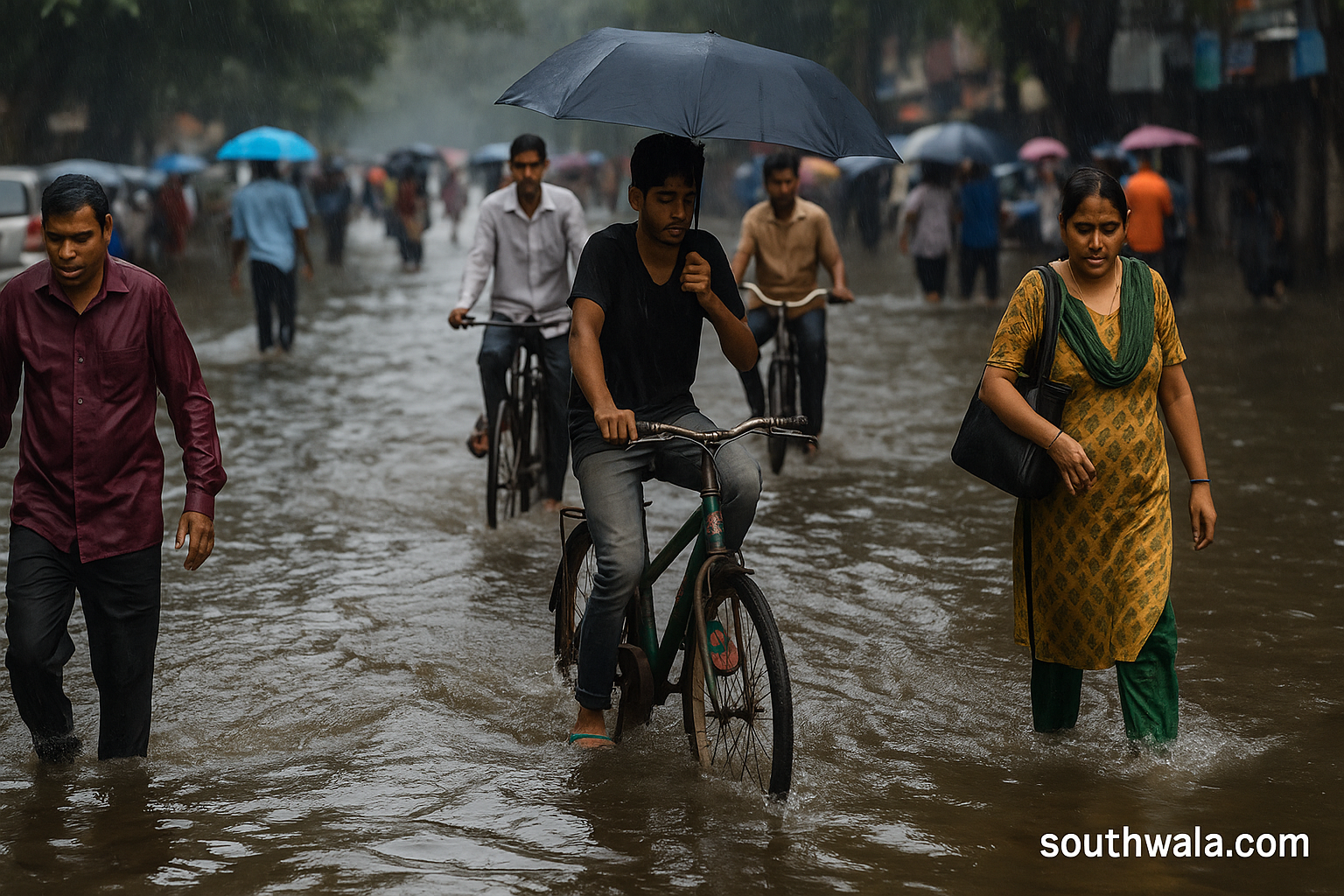
- Every monsoon, Indian cities struggle with waterlogged streets.
- For most of us, floods mean traffic jams, damaged houses, and daily inconvenience.
- But what lies beneath the muddy water is far more dangerous.
- Flooded streets act as breeding grounds for multiple diseases, not just the common ones we hear about.

Every monsoon, Indian cities struggle with waterlogged streets. For most of us, floods mean traffic jams, damaged houses, and daily inconvenience. But what lies beneath the muddy water is far more dangerous. Flooded streets act as breeding grounds for multiple diseases, not just the common ones we hear about.
Beyond Waterborne Diseases
We often think of floods and immediately link them to diarrhoea, typhoid, or cholera. While these are real threats, flooded water spreads far more illnesses that many people are not aware of.
1. Skin Infections
Walking barefoot or in wet shoes through floodwater can cause fungal infections, rashes, and even cellulitis. Cuts or small wounds can become entry points for dangerous bacteria.
2. Leptospirosis
This is caused by bacteria found in rat urine, which mixes with floodwater. People who walk in such water without protection are at risk. Symptoms include fever, body pain, and in severe cases, liver or kidney damage.
3. Respiratory Illnesses
Floods increase dampness in homes. This triggers asthma, bronchitis, and other breathing problems. Mould in walls and wet clothes can make it worse.
4. Mosquito-Borne Diseases
Stagnant floodwater is the perfect breeding ground for mosquitoes. This leads to a spike in dengue, malaria, and chikungunya during and after floods.
Why Children and Elderly Are More at Risk
Children often play in flooded streets without realizing the danger. Their immunity is weaker, which makes them more prone to infections. Similarly, elderly people with existing health problems like diabetes or asthma face higher risks.
The Psychological Impact
Flooded streets also affect mental health. Constant exposure to unhygienic conditions, fear of infections, and daily struggle with damaged homes lead to stress and anxiety.
How to Stay Safe During Floods
Here are simple steps to protect yourself and your family:
- Avoid floodwater whenever possible – Do not walk barefoot or wade through stagnant water.
- Wear protective footwear – Rubber boots or sandals can reduce direct contact.
- Drink only boiled or filtered water – Prevents diarrhoea and waterborne infections.
- Use mosquito repellents – Keep windows covered and eliminate water storage around the house.
- Maintain hygiene – Wash hands and feet with clean water and soap after exposure.
- Keep wounds covered – Cuts and scratches should be properly dressed before going out.
India’s Yearly Fight With Flood Diseases
According to the National Centre for Disease Control (NCDC), every year after heavy monsoon rains, cases of dengue, leptospirosis, and diarrhoea spike in urban areas. Cities like Mumbai, Chennai, and Kolkata face repeated outbreaks because drainage systems are unable to handle heavy rains.
Flooded streets are not just an inconvenience. They are a public health emergency waiting to happen. Better urban planning, stronger drainage systems, and timely awareness campaigns are the only way to reduce disease outbreaks. Until then, individual precautions remain the strongest shield against the dangers hidden in floodwater.
FAQs
1. Is it safe to walk in flooded streets if I wear slippers?
Not fully. Water can still seep in. Rubber boots offer better protection.
2. Can floodwater spread diseases even if it looks clean?
Yes. Even clear water may contain bacteria, parasites, or chemicals harmful to health.
3. What are the first signs of leptospirosis?
Fever, muscle pain, and headache are common early symptoms. Seek medical help if they appear after contact with floodwater.
4. Do floods increase dengue cases immediately?
Yes. Mosquitoes breed quickly in stagnant water, leading to a rise in dengue and malaria cases within days.
5. How can children be protected during floods?
Keep them indoors, provide clean drinking water, and ensure they do not play in floodwater.
Author


Discover more from Southwala
Subscribe to get the latest posts sent to your email.