Southwala Shorts
- Fatty liver disease has become one of the most common lifestyle-related health issues in the modern world.
- It quietly develops in the background, often without pain or visible signs, until it begins to affect liver function.
- The condition arises when excess fat accumulates inside liver cells, gradually reducing the organ’s ability to process toxins, store energy, and manage metabolism.
- The liver is the body’s internal engine.

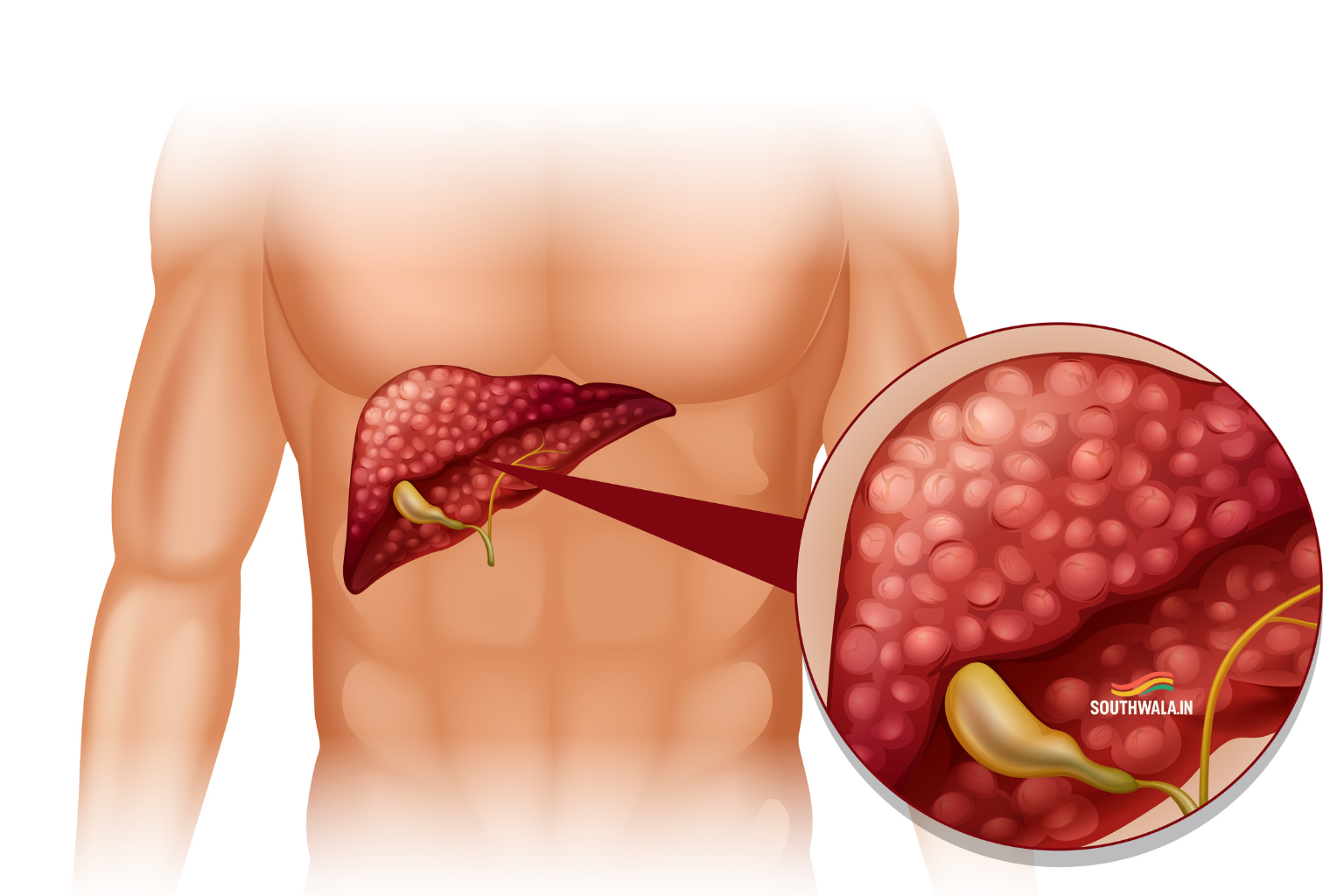
Fatty liver disease has become one of the most common lifestyle-related health issues in the modern world. It quietly develops in the background, often without pain or visible signs, until it begins to affect liver function. The condition arises when excess fat accumulates inside liver cells, gradually reducing the organ’s ability to process toxins, store energy, and manage metabolism.
The liver is the body’s internal engine. When it begins to struggle, every system feels the impact. Understanding fatty liver symptoms early can help prevent irreversible damage and protect long-term health.
The Two Main Types of Fatty Liver
Fatty liver can appear in two primary forms, each with its own risk pattern and progression.
1. Non-Alcoholic Fatty Liver Disease (NAFLD):
This form is not related to alcohol consumption. It is linked to poor diet, obesity, insulin resistance, and a sedentary lifestyle. It often affects people who consume processed foods or have metabolic disorders like diabetes.
2. Alcoholic Fatty Liver Disease (AFLD):
This version develops due to excessive alcohol intake. Alcohol damages liver cells and causes inflammation, leading to fat buildup over time.
Both conditions can progress into liver inflammation (hepatitis) and later to cirrhosis, a severe stage where the liver becomes scarred and permanently damaged.
The Early Signals Your Body Sends
Fatty liver rarely announces itself loudly in its early stages. The symptoms develop slowly and are often dismissed as tiredness or digestive discomfort. However, the body does send subtle signals that should not be ignored.
Persistent Fatigue
People with fatty liver often feel low energy even after proper sleep. The liver’s reduced efficiency slows down energy metabolism, leaving the body feeling sluggish and heavy.
Pain or Discomfort in the Upper Right Abdomen
A dull ache or pressure under the right rib cage can indicate liver enlargement due to fat accumulation. This discomfort may worsen after eating heavy meals or fatty foods.
Bloating and Digestive Issues
A compromised liver struggles to regulate bile production, which affects digestion. This leads to bloating, gas, and a feeling of fullness even after small meals.
Unexplained Weight Gain or Difficulty Losing Weight
Excess liver fat interferes with how the body breaks down nutrients, often resulting in stubborn belly fat or unexpected weight changes.
Loss of Appetite or Nausea
As liver function declines, the body’s ability to process food weakens. This may cause loss of appetite, nausea, or aversion to fatty or oily foods.
Mild Jaundice or Yellowing of Eyes
In more advanced stages, the skin or eyes may appear slightly yellow due to bilirubin buildup, a clear sign that the liver is under strain.
Brain Fog and Poor Concentration
A fatty liver releases toxins more slowly, allowing waste to build up in the bloodstream. This often results in poor focus, mental fatigue, or irritability.
The Connection Between Lifestyle and Liver Fat
The modern lifestyle, characterized by high-calorie foods, low physical activity, and high stress, directly contributes to fatty liver.
- Processed foods and sugars increase triglycerides that the liver stores as fat.
- Sedentary habits reduce fat metabolism.
- Lack of hydration slows liver detoxification.
- Chronic stress raises cortisol levels, indirectly leading to fat buildup.
People with obesity, diabetes, or high cholesterol are at particularly high risk. However, even those with normal weight can develop fatty liver due to metabolic dysfunction or genetic predisposition.
How Fatty Liver Progresses Over Time
Fatty liver develops in stages, often over years.
- Simple Steatosis: Fat starts to accumulate in liver cells, but may not cause inflammation yet.
- Steatohepatitis (NASH or ASH): The liver becomes inflamed, and some cells begin to die.
- Fibrosis: Scar tissue forms, replacing healthy liver cells.
- Cirrhosis: Severe scarring permanently damages the liver, leading to liver failure or cancer.
Detecting and reversing the disease in the first two stages is entirely possible with lifestyle modification.
The Hidden Dangers of Ignoring Fatty Liver
Many people ignore mild symptoms because they feel manageable, but an untreated fatty liver can silently lead to:
- Type 2 diabetes is due to insulin resistance
- Heart disease is caused by higher cholesterol and inflammation
- Liver cirrhosis or cancer in chronic cases
Doctors often discover fatty liver accidentally during ultrasound scans or blood tests. This underlines the importance of regular health check-ups even when no major symptoms appear.
Reversal and Management
Fatty liver is one of the few liver conditions that can be reversed through consistent lifestyle change if detected early.
Balanced Nutrition
- Focus on high-fiber foods like fruits, vegetables, and whole grains.
- Reduce refined sugar, fried foods, and alcohol.
- Include healthy fats such as nuts, seeds, and olive oil.
Physical Activity
Regular exercise for at least 30 minutes a day helps burn stored fat and improves insulin sensitivity.
Weight Management
Even a 7 to 10 percent reduction in body weight can significantly decrease liver fat and inflammation.
Hydration and Sleep
Adequate water intake supports detoxification, while 7 to 8 hours of restful sleep allows liver regeneration.
Medical Monitoring
Periodic liver function tests and ultrasound scans help track improvement and prevent relapse.
The Role of Early Awareness
Awareness is the strongest weapon against fatty liver. Recognizing small symptoms like persistent tiredness, bloating, or right-sided discomfort can lead to early diagnosis and recovery. The key lies in consistency. The liver is remarkably resilient, and even years of damage can be reversed through timely care and lifestyle changes.
Fatty liver disease represents the imbalance between modern habits and ancient biology. The liver’s quiet suffering often mirrors our pace of life: overloaded, under-rested, and undernourished. Paying attention to early symptoms is an act of self-preservation.
Reversing fatty liver is not about medicine alone; it is about restoring rhythm to how we live, eat, and rest. A healthy liver is not just an organ; it is the foundation of vitality, clarity, and longevity.
FAQs
1. How does fatty liver make a person feel tired?
The liver stores and releases energy for the body. When fat accumulation disrupts this process, it causes fatigue and weakness.
2. How can mild abdominal pain signal fatty liver?
A dull ache on the right side of the abdomen may occur because the enlarged liver presses against nearby organs.
3. How can diet help reduce liver fat?
Replacing processed foods and sugars with fiber, fruits, and lean proteins helps the liver burn stored fat more effectively.
4. How can exercise improve liver health?
Physical activity boosts metabolism, reduces triglyceride buildup, and helps the liver process fat efficiently.
5. How can fatty liver be prevented naturally?
Balanced nutrition, regular exercise, hydration, limited alcohol, and routine health check-ups keep the liver strong and functional.
Author


Discover more from Southwala
Subscribe to get the latest posts sent to your email.