Southwala Shorts
- Modern medicine relies on chemistry and science, yet one of the most fascinating healing tools lies within the human mind itself the placebo effect.
- Across decades of research, doctors and scientists have found that belief alone can trigger real physical and psychological recovery.
- The idea that one can heal without medicine may sound mystical, but it is backed by solid medical evidence.
- The placebo effect reveals the deep connection between the brain, body, and belief.

Modern medicine relies on chemistry and science, yet one of the most fascinating healing tools lies within the human mind itself the placebo effect. Across decades of research, doctors and scientists have found that belief alone can trigger real physical and psychological recovery. The idea that one can heal without medicine may sound mystical, but it is backed by solid medical evidence. The placebo effect reveals the deep connection between the brain, body, and belief.
The Meaning of the Placebo Effect
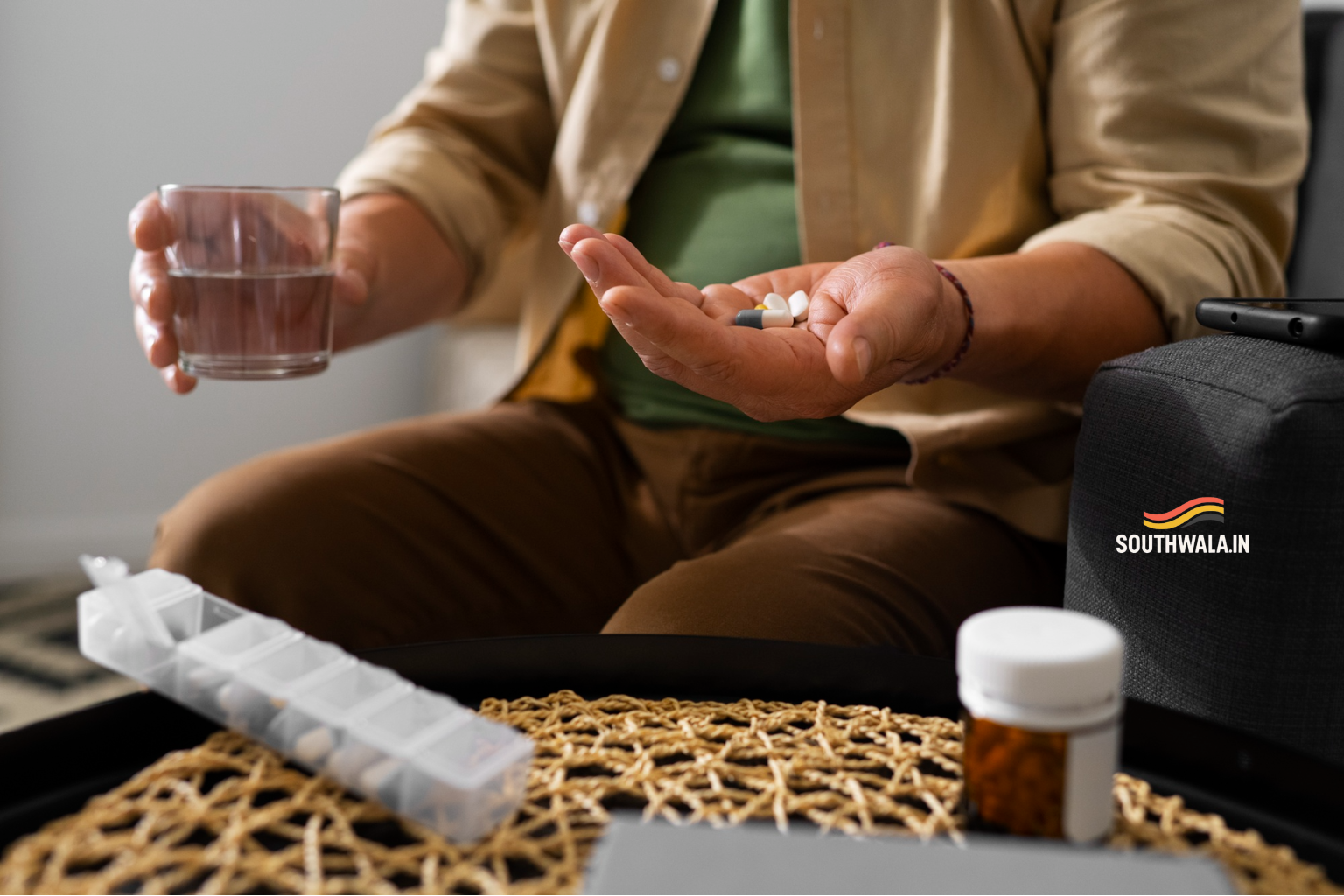
The word “placebo” comes from Latin, meaning “I shall please.” In medicine, a placebo is a harmless substance, like a sugar pill or saline injection, given to patients who believe they are receiving real treatment. Surprisingly, many of them show genuine improvement. This reaction, known as the placebo effect, demonstrates that expectation and belief can activate the body’s own healing mechanisms.
Scientists have observed this effect in pain relief, depression, anxiety, and even immune response. The brain releases chemicals such as endorphins and dopamine, reducing symptoms and promoting recovery. This does not mean diseases disappear magically, but that the mind plays an active role in how the body responds to illness.
How the Brain Turns Belief into Biology
When a person believes that a treatment will help, the brain begins to act as if the treatment is real. Brain imaging studies show that areas involved in emotion and pain perception, such as the prefrontal cortex and amygdala, change their activity. This triggers hormonal and chemical changes in the body. For instance, believing in a painkiller can make the brain release endorphins the body’s natural pain relievers.
Similarly, patients with Parkinson’s disease who took a placebo showed increased dopamine production in the brain. In short, belief creates a biological chain reaction. The body begins to heal not because of the medicine but because of the conviction that healing is happening.
The Mind–Body Connection in Real Medicine
Doctors often observe placebo-like effects even in real treatments. The way a doctor speaks, the confidence they display, and the setting of the clinic all influence patient outcomes. A warm, empathetic environment enhances recovery because it strengthens belief and emotional security.
In surgeries, some studies have found that patients who underwent “fake” procedures where incisions were made but no actual operation was performed still reported pain relief. This shows that the human brain can interpret care, attention, and expectation as real treatment. The placebo effect, therefore, is not fake healing. It is genuine healing triggered by mental and emotional belief.
Placebo’s Twin: The Nocebo Effect
The same mechanism can also harm. When someone expects a drug to cause side effects, they may experience those effects even when given a harmless pill. This is called the nocebo effect. Fear, anxiety, and negative beliefs can activate stress hormones like cortisol, worsening symptoms or slowing recovery. The mind, in this case, becomes a barrier instead of a healer.
Why the Placebo Effect Is Not Cheating
Some people think the placebo effect means patients are being fooled. In reality, it reflects the untapped power of the human brain. The effect shows that the brain can influence blood pressure, immunity, digestion, and even gene expression through belief. Many therapies, such as meditation, mindfulness, and positive visualization, work on similar principles by reducing stress and promoting relaxation.
Doctors use the placebo effect ethically in clinical trials to test whether a new drug works beyond psychological influence. But its broader lesson is that mindset is part of medicine. Belief enhances biology.
The Practical Side of Self-Healing
Everyday healing is not about rejecting medicine but about understanding the body’s cooperation with the mind. When people maintain hope, trust their doctors, and engage emotionally with treatment, outcomes improve. Practices such as meditation, prayer, journaling, and gratitude help activate the same brain pathways involved in placebo healing.
Real health, therefore, is a balance between medicine and mindset. The strongest cures often come when belief, biology, and treatment work together.
The placebo effect reminds humanity that healing is not only a physical process but also an emotional and spiritual one. Belief shapes the body’s chemistry. Compassion shapes recovery. The next revolution in healthcare may not come only from new drugs but from understanding how to align the human mind with its natural power to heal.
FAQs
1. Why does the brain respond to fake treatments
Because expectation and belief trigger the brain’s chemical messengers, leading to real physical changes that influence healing.
2. Why can pain or illness improve even without real medicine
The body produces natural painkillers and healing hormones when the mind feels safe and confident in recovery.
3. Why is the doctor’s attitude important in recovery
A caring and positive doctor builds trust and strengthens the patient’s belief in healing, enhancing the placebo response.
4. Why can negative thinking make illnesses worse
Fear and doubt activate stress hormones that weaken immunity, increase inflammation, and slow recovery.
5. Why should people learn about the placebo effect
Because it helps them understand that healing involves both body and belief, encouraging hope, trust, and emotional resilience during illness.
Authors


Discover more from Southwala
Subscribe to get the latest posts sent to your email.