Southwala Shorts
- A brain tumor is one of the most complex medical conditions because it develops in the organ that controls every thought, movement, and function of...
- Unlike other illnesses, it often hides behind subtle symptoms that many people ignore persistent headaches, changes in speech, or unexplained fatigue.
- Recognizing these signs early can make a major difference in treatment and recovery.
- A brain tumor forms when abnormal cells begin to grow uncontrollably inside or around the brain.

A brain tumor is one of the most complex medical conditions because it develops in the organ that controls every thought, movement, and function of the human body. Unlike other illnesses, it often hides behind subtle symptoms that many people ignore persistent headaches, changes in speech, or unexplained fatigue. Recognizing these signs early can make a major difference in treatment and recovery.
The Nature of a Brain Tumor
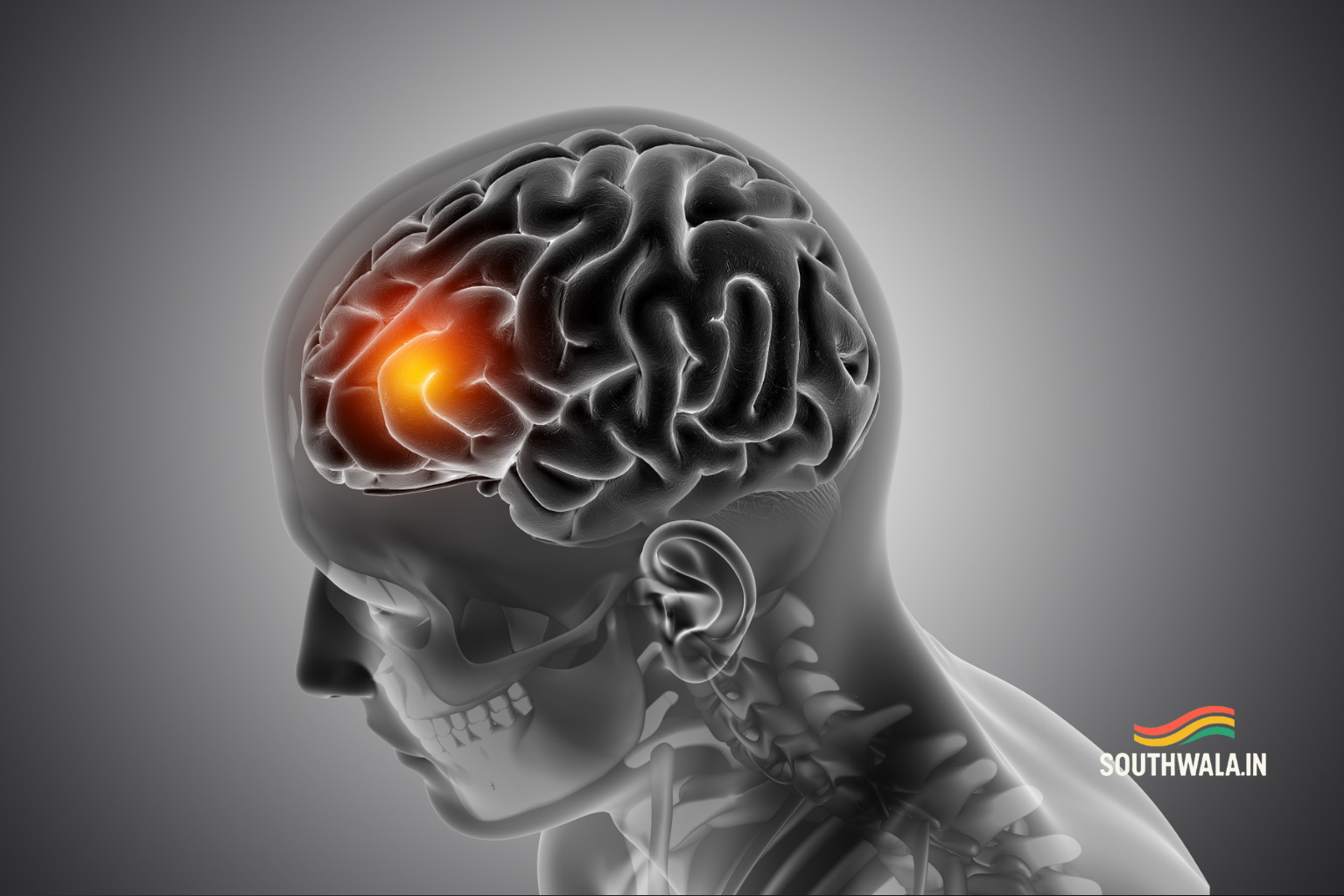
A brain tumor forms when abnormal cells begin to grow uncontrollably inside or around the brain. Some are benign (non-cancerous) and grow slowly, while others are malignant (cancerous) and can spread quickly. Regardless of type, any tumor inside the skull can create pressure on brain tissue, affecting how the body functions.
The brain is divided into different regions, each controlling specific functions like movement, vision, memory, and speech. A tumor’s symptoms depend on where it is located. For instance, a tumor in the frontal lobe may cause personality changes, while one near the cerebellum may disturb balance.
Common Warning Signs
Brain tumors rarely show sudden symptoms. The signs develop gradually as the tumor grows and starts pressing against nerves or blood vessels.
1. Persistent Headaches
Headaches are the most frequent symptom, but not every headache signals a tumor. Tumor-related headaches often worsen in the morning or after coughing and sneezing. They tend to increase over time and resist normal painkillers.
2. Seizures or Sudden Jerks
Seizures can occur when a tumor disrupts normal brain activity. Some people experience full convulsions, while others may only feel twitching, numbness, or short periods of confusion.
3. Nausea and Vomiting
Continuous vomiting without stomach-related illness can occur when pressure inside the skull increases. This is especially common in children with brain tumors.
4. Changes in Vision or Hearing
Blurry or double vision, loss of peripheral sight, or ringing in the ears can happen if the tumor affects the optic or auditory nerves. Sometimes, people find it difficult to focus or see clearly in bright light.
5. Memory and Speech Difficulties
A tumor in the frontal or temporal lobe can interfere with thinking, memory, and language. The person may forget familiar names, struggle to find words, or lose the ability to understand simple sentences.
6. Weakness or Numbness
If the tumor affects the motor cortex, one side of the body may feel weaker or go numb. Tasks like writing, walking, or holding objects may suddenly become difficult.
7. Personality and Mood Changes
The frontal lobe controls emotional behavior. People with tumors here may show mood swings, irritability, or even depression without a clear reason.
8. Difficulty with Balance and Coordination
Tumors in the cerebellum disturb balance, causing unsteady walking or difficulty performing precise actions.
Symptoms in Children and Teens
Brain tumors in children show different patterns. Parents may notice delayed milestones, vomiting early in the morning, or sudden issues with coordination and learning. In infants, a swelling in the soft spot (fontanelle) can indicate increased brain pressure.
Early detection in young patients is crucial because children’s brains are still developing. The faster the diagnosis, the better the chances of successful treatment.
The Connection Between Tumor Location and Symptoms
The brain’s structure determines how a tumor’s position shapes its effects:
- Frontal Lobe: Affects reasoning, judgment, and personality.
- Parietal Lobe: Disturbs sensation, touch, and spatial awareness.
- Temporal Lobe: Alters hearing, speech, and memory.
- Occipital Lobe: Impairs vision.
- Brainstem: Affects breathing, heart rate, and consciousness.
- Cerebellum: Causes imbalance and coordination problems.
This link helps doctors identify the likely location of a tumor before confirming it through scans like MRI or CT.
The Importance of Early Medical Evaluation
Brain tumors are not always cancerous, but their impact depends on how early they are found. Persistent neurological symptoms should never be ignored. A neurologist can recommend imaging tests to identify any abnormal growths.
The earlier a tumor is diagnosed, the better the treatment options surgery, radiation therapy, and targeted medication, and the higher the possibility of preserving normal brain function.
Lifestyle and Recovery Considerations
After treatment, recovery focuses on restoring the brain’s strength. This may involve physiotherapy, speech therapy, and mental exercises to rebuild cognitive skills. Maintaining a diet rich in antioxidants, proper sleep, and stress management also supports brain healing.
Patients often experience emotional challenges, so psychological counseling plays an important role in long-term recovery. Awareness among family members and early recognition of warning signs are equally vital.
The Mind-Body Connection
Beyond medical treatment, understanding the emotional dimension of the illness helps with healing. Many patients report that mindfulness, prayer, or meditation helps them manage anxiety and regain control. The brain’s resilience is remarkable; with the right treatment and mindset, it can often adapt and recover even after significant damage.
The human brain is not just an organ but a universe of thought and memory. Recognizing its distress signals early is the key to saving both life and identity.
Frequently Asked Questions
How does a brain tumor cause headaches?
The tumor increases pressure inside the skull, irritating nerves and causing pain that worsens over time.
Can a brain tumor develop without symptoms?
Yes, some tumors grow slowly and remain unnoticed until they reach a size that affects brain function.
Is every seizure related to a brain tumor?
No, seizures can occur due to various conditions, but recurring unexplained episodes should be evaluated by a neurologist.
Does family history increase brain tumor risk?
Certain genetic conditions may raise risk, though most tumors occur due to random mutations rather than inheritance.
Can lifestyle changes help prevent brain tumors?
There is no proven prevention method, but a balanced diet, reduced radiation exposure, and regular health checkups support overall brain health.
Author


Discover more from Southwala
Subscribe to get the latest posts sent to your email.