Southwala Shorts
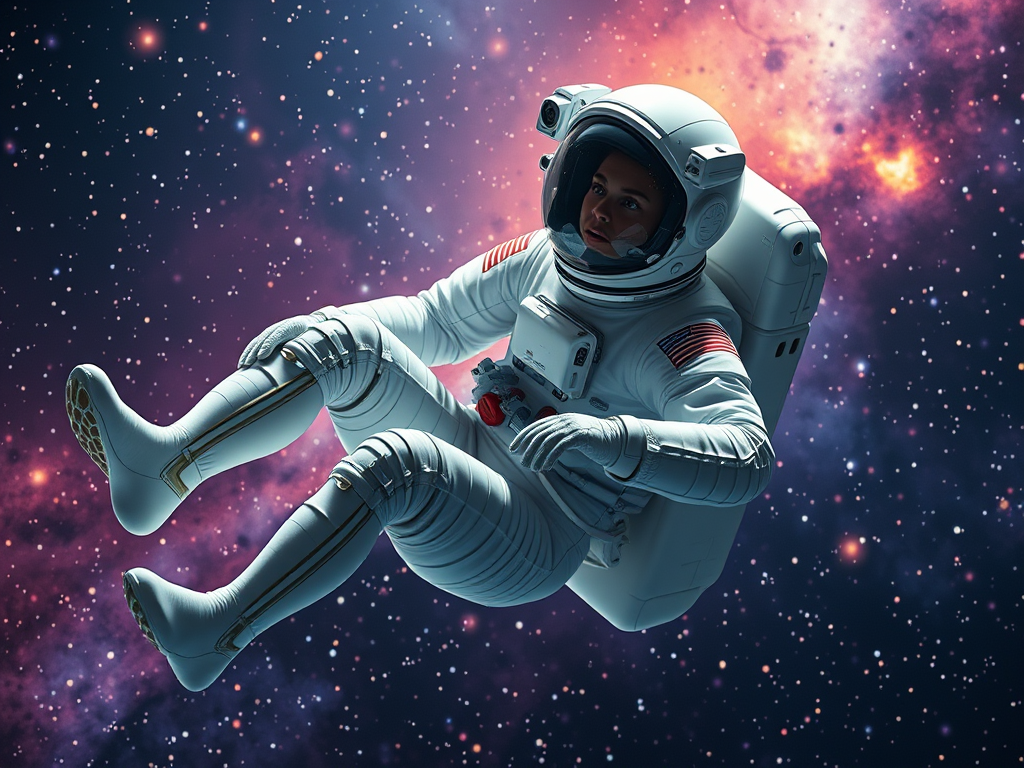
- If we think of space, we imagine cool suits, floating food, and galaxy views.
- But behind all that sci-fi glam, there’s a harsh truth:
- Your body slowly starts breaking down in space.
- No monsters, no black holes.

If we think of space, we imagine cool suits, floating food, and galaxy views. But behind all that sci-fi glam, there’s a harsh truth:
Your body slowly starts breaking down in space.
No monsters, no black holes. Just zero gravity and that alone is enough to make your bones, muscles, and heart weaker. Here’s the tea.
Muscles Shrinking. Fast.
On Earth, we use our muscles daily walking, standing, running, lifting. Gravity pulls us down, so our muscles have to work constantly.
In space? No gravity = no effort.
Astronauts float. They don’t “stand” or “carry” anything the usual way. And because the muscles aren’t being used much, the body starts saying:
“Oh, you’re not using this muscle? Cool, I’ll shrink it.”
Within weeks, astronauts lose serious muscle mass especially in their legs and back.
Bones Losing Density Like a Cracked iPhone
Bones stay strong when we use them. Weightlifting? Walking? Running? That’s what keeps bones dense.
In space, with no weight or resistance, bones say:
“Looks like you don’t need me anymore.”
And they start losing calcium, which means bones become fragile like chalk. This makes astronauts more likely to get fractures, both in space and after coming back to Earth.
Fluids Floating to the Face. Ew.
On Earth, gravity pulls body fluids (like blood and water) downwards. That’s why our legs sometimes swell.
But in space, no gravity means fluids float upward.
That’s why astronauts’ faces look puffy and their legs look skinny. Some even get headaches or blurred vision because of the pressure inside the skull.
Your whole body fluid system gets confused.
Heart Starts Being Lazy
On Earth, your heart works hard to pump blood upward from your feet to your brain.
In space? Everything’s floating. Your heart doesn’t have to work as hard, so it gets… lazy. Over time, the heart shrinks in size and loses strength.
Coming back to Earth, gravity hits again, and the heart struggles to keep up. Many astronauts feel dizzy or faint when they return.
FAQs:
1. Muscles stop working the same?
Yes. They shrink because they’re not used much. Even lifting a finger feels like work once you’re back on Earth.
2. Bones go soft?
Yup. Without resistance or pressure, bones lose calcium fast. Astronauts lose up to 1% of bone mass per month in space.
3. Body fluids act weird?
Correct. Fluids move up toward your head, making your face puffier and sometimes affecting your brain and eyes.
4. Heart becomes weaker?
Yes. It gets smaller and slower because it doesn’t have to fight gravity anymore. Coming back to Earth can make it struggle.
5. Do astronauts train for this?
Absolutely. They exercise 2+ hours daily in space to fight muscle and bone loss. Even then, they often need rehab after landing.
Author


Discover more from Southwala
Subscribe to get the latest posts sent to your email.