Southwala Shorts
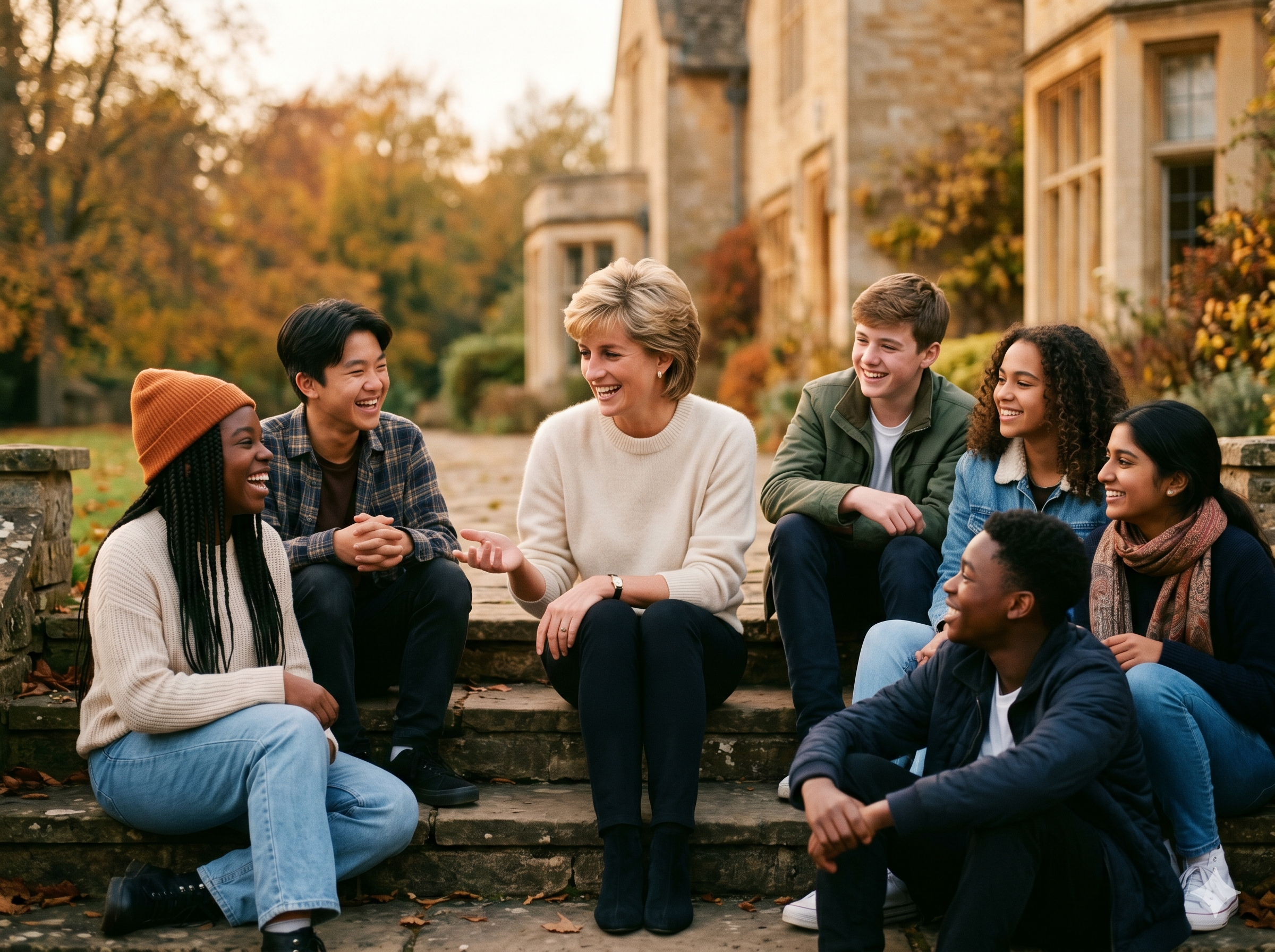
- Gen Z, the generation born roughly between the late 1990s and early 2010s, lives in two overlapping realities.
- One exists in the physical world of family, education, and work.
- The other lives in the digital space of social media, gaming, and virtual connections.
- Unlike earlier generations who separated online life from real life, Gen Z treats both as one continuous existence.

Gen Z, the generation born roughly between the late 1990s and early 2010s, lives in two overlapping realities. One exists in the physical world of family, education, and work. The other lives in the digital space of social media, gaming, and virtual connections. Unlike earlier generations who separated online life from real life, Gen Z treats both as one continuous existence. Their challenge is not just surviving in both spaces but balancing who they are across them.
The Generation That Grew Up Online
For Gen Z, the internet was never an invention. It was a birthright. From the moment they opened their first smartphone, their sense of self began forming across screens. Identity was no longer built just from personal interactions but from posts, stories, and digital footprints.
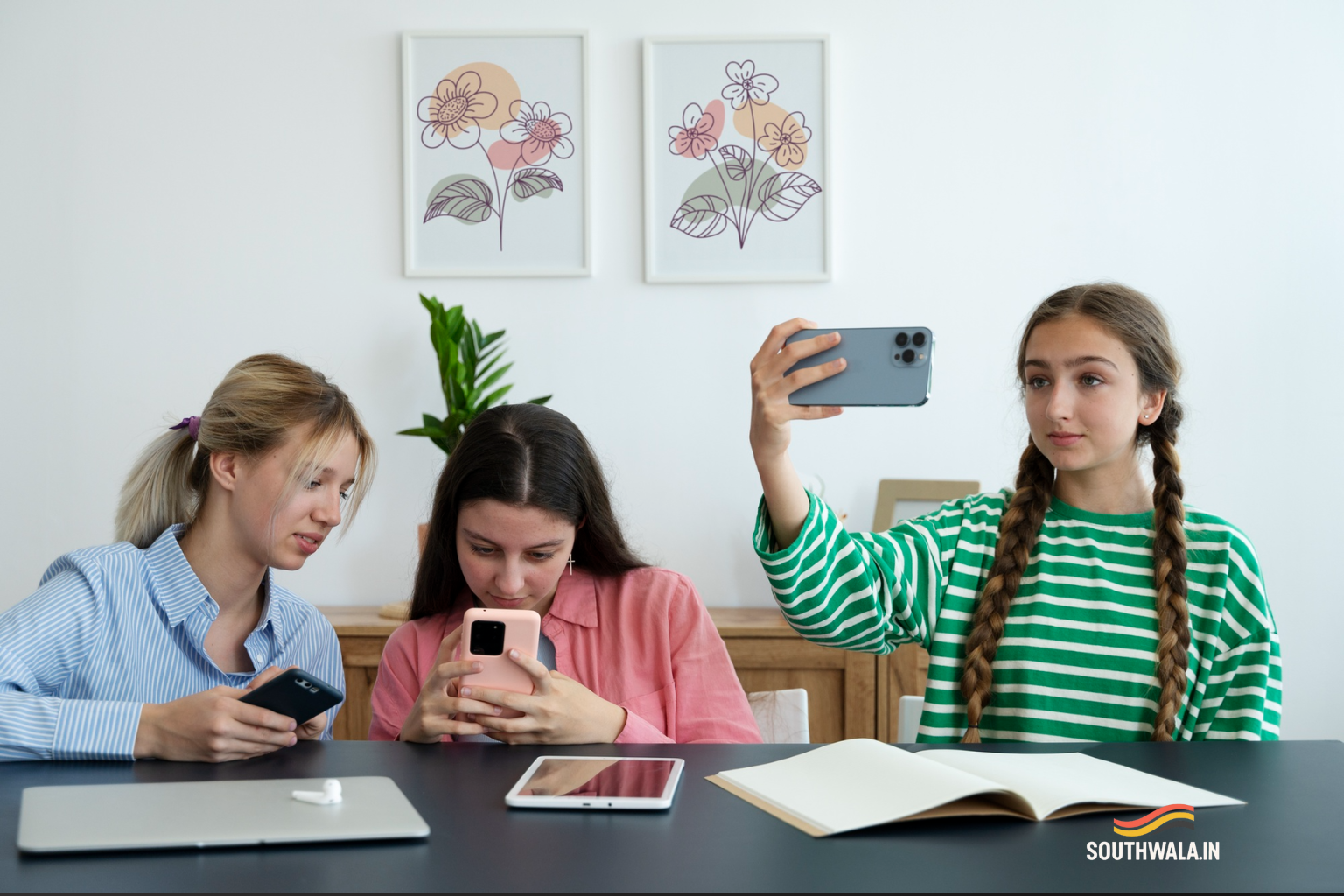
Platforms like Instagram, Snapchat, and TikTok became mirrors of personality. Each photo, caption, or video added another layer to how the world saw them and how they saw themselves. The result is a generation that lives both publicly and privately, constantly navigating between authenticity and performance.
The Digital Identity Equation
Digital identity is not fake for Gen Z. It is simply a different version of truth. In physical life, identity is limited by geography, culture, and circumstance. Online, identity becomes a flexible place to explore versions of self that might be judged or restricted in real life.
For many, this is empowering. Young people can express opinions, styles, and identities they may not feel safe sharing offline. Online platforms offer communities that validate individuality. From art collectives to gaming forums to LGBTQ+ networks, digital spaces often provide belonging before the real world does.
But this freedom also carries pressure. Likes, views, and comments become social currency. A digital identity that was meant for expression can slowly turn into a brand that demands perfection. The performance of self becomes endless, and the line between confidence and exhaustion blurs.
The Psychological Tug of Two Worlds
Balancing life between two worlds requires emotional awareness. Online environments reward quick reactions, visual appeal, and constant presence. Real life, however, values patience, depth, and quiet growth.
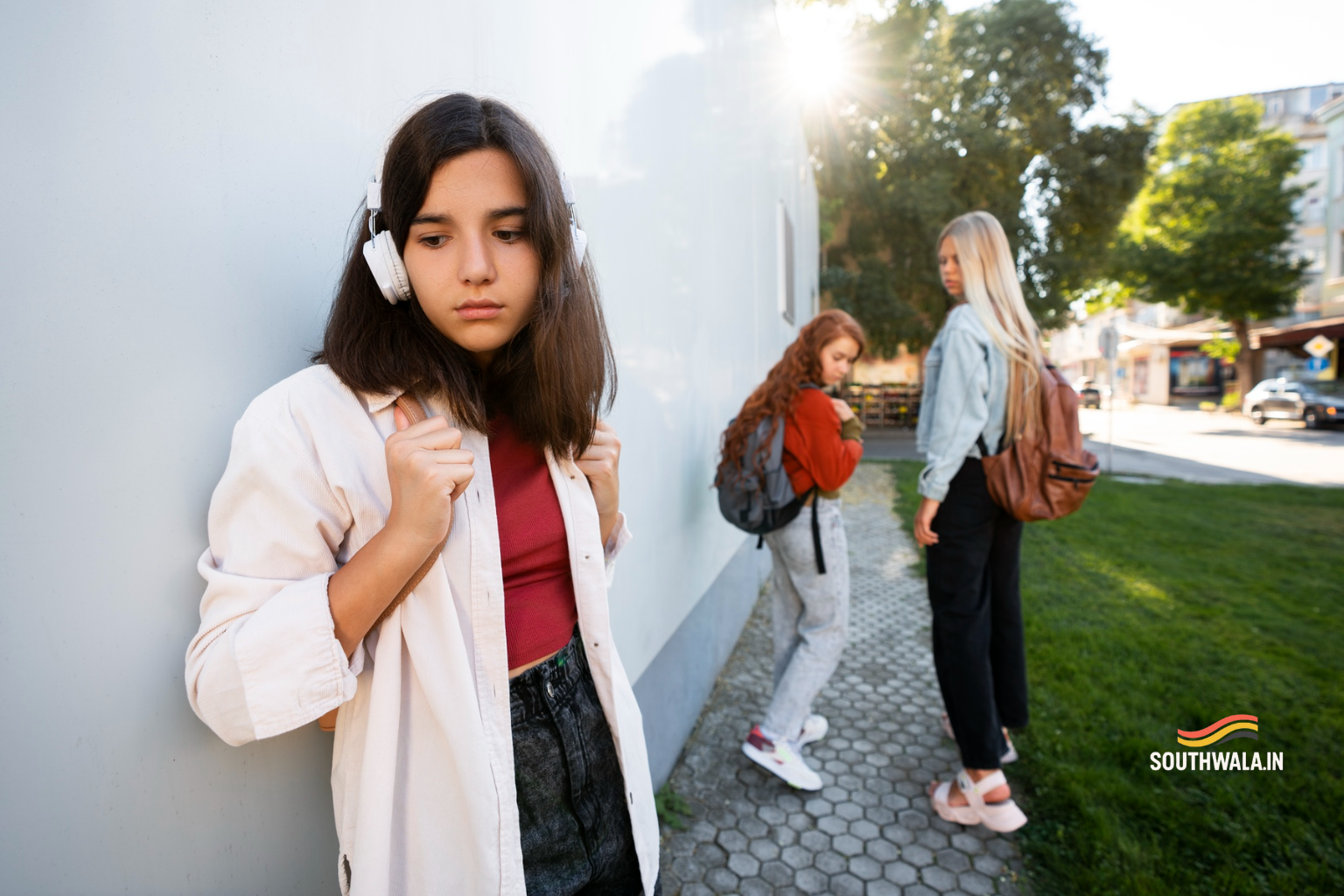
Gen Z faces a constant tension between connection and overstimulation. They are more informed and socially aware than any generation before them, but also more anxious and self-critical. Studies by the American Psychological Association have shown that heavy social media users among Gen Z report higher levels of loneliness and body dissatisfaction.
The digital world amplifies comparison. Algorithms prioritize idealized content, making success, beauty, or popularity look effortless. Offline, the gap between these virtual images and real experiences can feel overwhelming.
The Role of Digital Detox and Mindful Boundaries
Many young people now recognize that mental balance requires digital discipline. Instead of rejecting technology, they are learning to use it with intention. Some practice digital detox consciously limiting screen time or setting boundaries on social media use.
Others curate their feeds to follow content that promotes learning, creativity, and positivity instead of validation-driven posts. Apps that track time or encourage mindfulness have become tools of self-control rather than restriction.
Balancing real and digital life is less about withdrawal and more about awareness. Knowing when to connect and when to disconnect is becoming a modern life skill.
The Search for Authenticity in a Filtered World
Authenticity has become the defining value for Gen Z. This generation values transparency from brands, creators, and influencers. The polished perfection that defined social media in the past decade no longer resonates.
Instead, raw, unedited, and honest content builds trust. Platforms like BeReal emerged as a response to the over-curated image culture. Even on mainstream platforms, creators who speak openly about failures or insecurities gain loyal audiences.
This shift shows that Gen Z is not rejecting digital life. They are reshaping it to mirror real human experience rather than artificial perfection.
The Blending of Physical and Digital Identities
The rise of virtual reality, metaverse spaces, and digital avatars shows that the divide between real and digital is closing even further. Online interactions are not escapes anymore; they are extensions of personality and work.
For instance, a student may learn coding on YouTube, build a portfolio on LinkedIn, and collaborate with international peers online long before entering a traditional job. Artists build careers through digital art, musicians through online streaming, and activists through digital campaigns.
The digital world has become a genuine platform for self-creation and professional growth. Gen Z uses it not to escape reality but to expand it.
Balancing these two worlds means developing emotional intelligence and self-awareness. The key lies in understanding that digital identity is a tool, not a replacement for the self. When used mindfully, it connects people, builds opportunities, and enhances creativity.
Real-world experiences, however, remain essential for grounding emotions, forming genuine relationships, and building resilience. The healthiest path is integration allowing both worlds to coexist without letting either dominate.
Gen Z is redefining identity not as fixed or separate but as fluid, adaptive, and multi-layered. Their challenge is not to choose between real and digital life but to remain authentic in both.
Frequently Asked Questions (FAQs)
How does online life influence Gen Z’s sense of self
The internet helps shape personality by allowing young people to express themselves and interact globally, though it can also increase pressure to perform.
Can living online harm emotional health
Overexposure to filtered content and social comparison can lead to anxiety and insecurity, making balance and awareness essential.
How do young people manage their online and offline balance
Many set personal boundaries such as screen limits, mindful breaks, or focusing on meaningful connections rather than constant scrolling.
Why does authenticity matter to Gen Z
They value honesty and real experiences over curated perfection, leading them to follow creators and brands that feel genuine and human.
Is digital identity becoming as important as real identity
Yes, both are now deeply connected. Digital presence influences career opportunities, relationships, and how individuals express themselves publicly.
Author


Discover more from Southwala
Subscribe to get the latest posts sent to your email.