Southwala Shorts
- Flour is one of the most used ingredients in every Indian kitchen, whether for chapatis, parathas, or sweets.
- But in warm or humid weather, it can easily attract insects and lose its freshness.
- The good news is that you don’t need expensive storage products — a few simple kitchen hacks can keep your flour safe, bug-free, and fresh...
- The most basic yet effective method is to store flour in airtight containers.

Highlights
- Everyday tricks to store flour and prevent insect infestation
- Uses common household items for natural protection
- Keeps flour fresh, safe, and ready for cooking
Simple Kitchen Hacks to Keep Flour Fresh and Bug-Free
Flour is one of the most used ingredients in every Indian kitchen, whether for chapatis, parathas, or sweets. But in warm or humid weather, it can easily attract insects and lose its freshness. The good news is that you don’t need expensive storage products — a few simple kitchen hacks can keep your flour safe, bug-free, and fresh for months.
Store in Airtight Containers
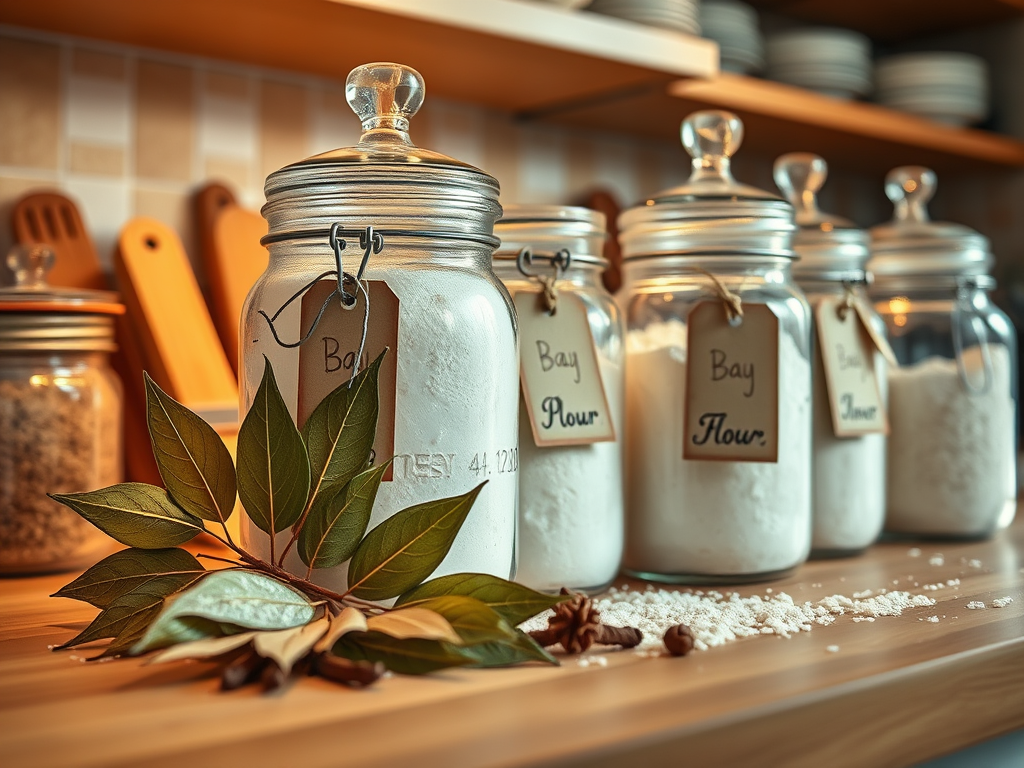
The most basic yet effective method is to store flour in airtight containers. This blocks moisture, keeps insects out, and maintains freshness. Steel boxes, glass jars, or good-quality plastic containers work well. Always make sure the container is completely dry before adding flour.
Use Bay Leaves
Bay leaves are a natural insect repellent with a strong aroma that bugs dislike. Slip two or three dry bay leaves into your flour container. Replace them every couple of months for best results.
Try Neem Leaves
Neem leaves have natural antibacterial and insect-repelling properties. Wash and dry a few neem leaves in the sun until crisp, then place them inside the container. This method is especially helpful in monsoon or humid climates.
Add Cloves
Cloves are another spice that insects avoid. Tie four or five cloves in a small piece of clean cloth and drop it into the container. This prevents bugs and also gives a mild, pleasant aroma to the flour.
Sun-Dry Flour Before Storage
Spread freshly bought flour on a clean cloth and keep it in sunlight for about an hour before storing. This removes excess moisture and kills any insect eggs present in the flour. Let it cool before transferring it to the container.
Keep a Small Portion in the Fridge
In very humid areas, store part of the flour in the refrigerator for daily use and keep the rest sealed at room temperature. Cold storage prevents insects and keeps the flour fresh longer.
Use a Clean, Dry Spoon Every Time
One common mistake is using a wet or slightly damp spoon to scoop flour. Even a little moisture can lead to lumps and attract insects. Always use a dry spoon or measuring cup.
Why These Hacks Work
Flour spoils faster when exposed to heat, light, and moisture. Natural repellents like bay leaves, neem leaves, and cloves keep insects away without affecting taste. Airtight containers and proper handling help preserve both freshness and nutrition.
FAQs
Can I use these hacks for other grains and pulses?
Yes, they work for rice, lentils, and semolina too.
Will bay leaves or cloves change the taste of the flour?
No, when used in small amounts, they won’t affect the taste.
How often should I change the bay or neem leaves?
Every two to three months or sooner if their aroma fades.
Is freezing flour a good option?
Yes, freezing is an effective method for long-term storage in humid areas.
Do I need to wash neem or bay leaves before using them?
Yes, wash and dry them thoroughly in the sun to avoid adding any moisture to the flour.
Author


Discover more from Southwala
Subscribe to get the latest posts sent to your email.