Southwala Shorts
- Pregnancy brings endless advice on food, and cheese often tops the confusion list.
- Goat cheese, known for its rich flavor and easy digestibility, raises questions among expectant mothers.
- Some forms of goat cheese are safe, while others can pose health risks.
- Understanding the difference helps ensure both safety and nutrition during pregnancy.

Pregnancy brings endless advice on food, and cheese often tops the confusion list. Goat cheese, known for its rich flavor and easy digestibility, raises questions among expectant mothers. Some forms of goat cheese are safe, while others can pose health risks. Understanding the difference helps ensure both safety and nutrition during pregnancy.
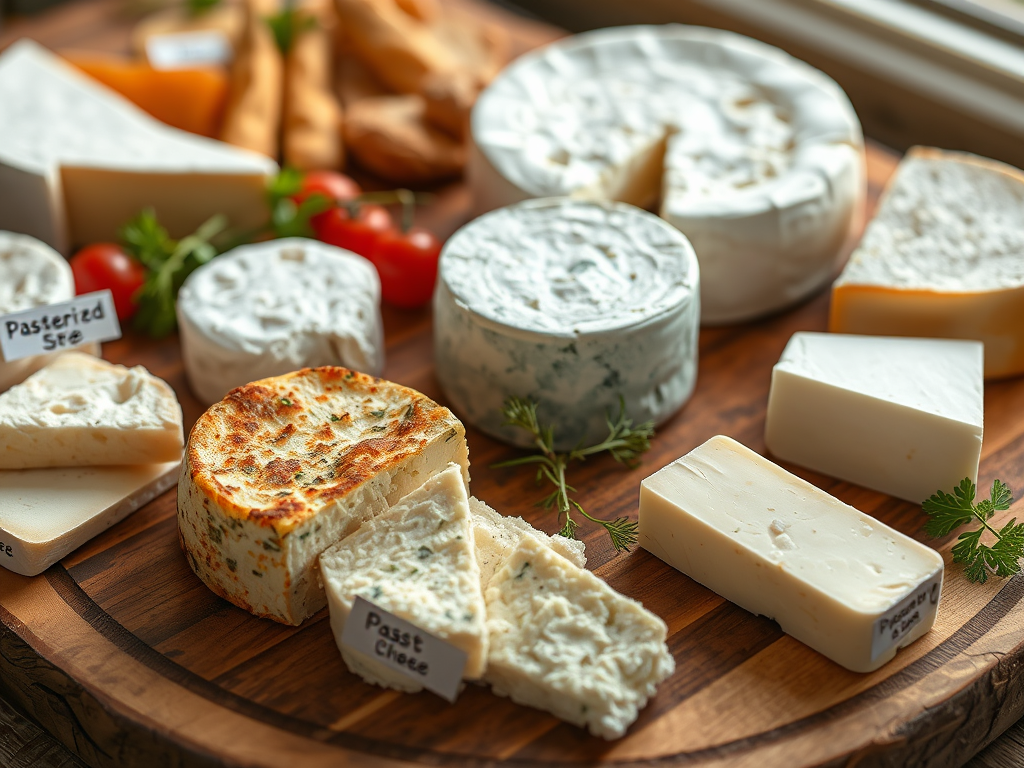
Goat cheese, or chèvre, is made from goat’s milk and is known for its creamy texture and tangy flavor. It can be soft or hard, aged or fresh, and pasteurized or unpasteurized. The key factor for pregnant women is whether the cheese is made from pasteurized milk.
Pasteurization kills harmful bacteria like Listeria monocytogenes, which can cause serious infections during pregnancy.
Safe Types of Goat Cheese During Pregnancy
Goat cheese made from pasteurized milk is safe to consume. Pasteurization ensures the milk is heated to remove bacteria while retaining nutrients.
- Hard or aged goat cheese: Usually low in moisture and safe for pregnant women when made from pasteurized milk.
- Cooked or baked goat cheese: Heat during cooking destroys bacteria, making it safe even if made from unpasteurized milk.
Examples include goat cheese on pizzas, in pasta, or baked dishes.
Risk with Soft or Unpasteurized Goat Cheese
Soft, unpasteurized goat cheese can carry Listeria, a bacterium that grows even in cold storage. Infections caused by this bacterium can lead to complications such as miscarriage, premature birth, or infection in the newborn.
Soft cheeses stored at room temperature or sold unpackaged should be avoided during pregnancy. Always check the label before consuming.
Nutritional Value of Goat Cheese
Goat cheese, when safe to eat, offers several benefits:
- High-quality protein for tissue development.
- Calcium and phosphorus for bone strength.
- Vitamins A and B2 for immune and skin health.
- Healthy fats that support fetal growth.
- Easier digestion compared to cow’s milk cheese for some people.
However, portion control is important. Goat cheese is rich in calories and saturated fats, which can lead to weight gain if consumed excessively.
Tips for Safe Consumption
- Always buy cheese labeled “made from pasteurized milk.”
- Store it in a refrigerator at safe temperatures.
- Avoid consuming cheese that smells sour or looks moldy.
- Use cheese in cooked dishes instead of eating it raw.
- Eat in moderation; small portions can offer benefits without risks.
Goat cheese can be part of a healthy pregnancy diet if pasteurized and stored properly. Soft or unpasteurized versions should be avoided to prevent infections. Choosing safe cheese options ensures mothers get the benefits of calcium and protein without exposing themselves or their baby to unnecessary risk.
FAQs
Can goat cheese made from pasteurized milk be eaten in pregnancy?
Yes, pasteurized goat cheese is safe and nutritious.
Can soft goat cheese be risky for pregnant women?
Yes, if unpasteurized, it may contain harmful bacteria like Listeria.
Can cooked goat cheese be safe?
Yes, heat destroys bacteria, making cooked goat cheese safe to consume.
Can goat cheese provide nutrition for pregnancy?
Yes, it offers protein, calcium, and vitamins important for fetal and maternal health.
Can unpasteurized goat cheese harm the baby?
Yes, it can lead to serious infections that affect both mother and baby.
Author


Discover more from Southwala
Subscribe to get the latest posts sent to your email.