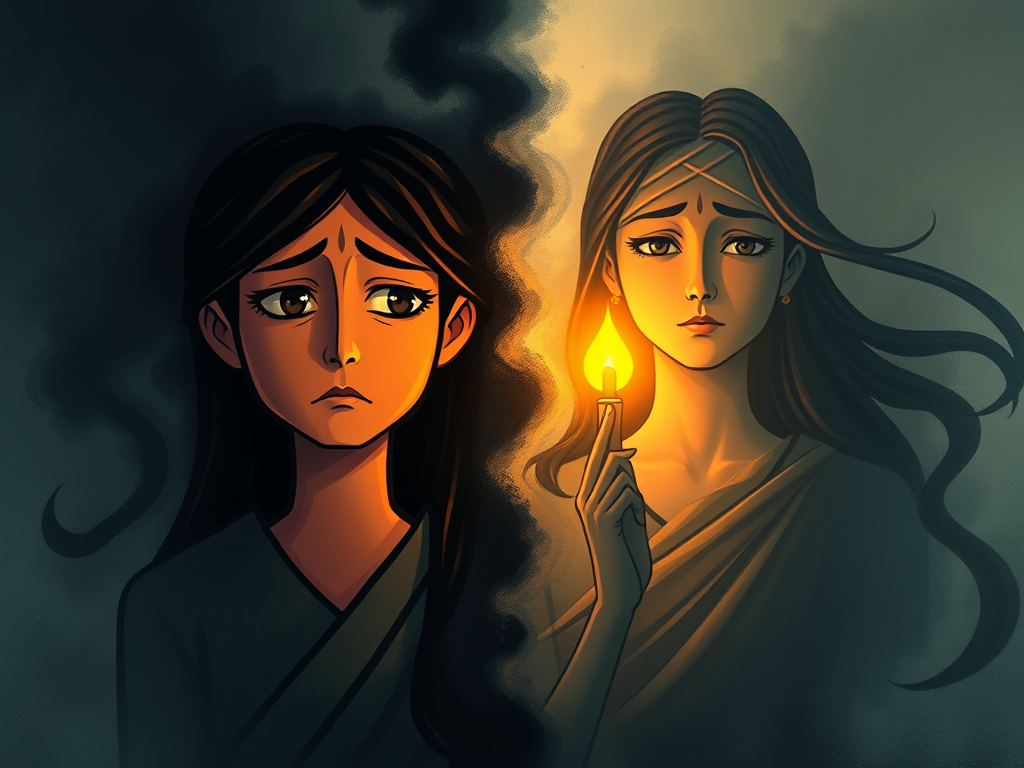
Southwala Shorts
- Across cultures, people believe in the existence of energies both positive and negative.
- In many traditions, black magic is described as the use of rituals, objects, or intentions to harm another person.
- While science does not confirm supernatural harm, the belief in black magic is real and can have strong psychological effects.
- Learning how to identify warning signs and taking practical steps to protect mental health is important.

Across cultures, people believe in the existence of energies both positive and negative. In many traditions, black magic is described as the use of rituals, objects, or intentions to harm another person. While science does not confirm supernatural harm, the belief in black magic is real and can have strong psychological effects. Learning how to identify warning signs and taking practical steps to protect mental health is important.
Common Experiences Often Linked to Black Magic
People who feel targeted by negative energy often report a mix of emotional, physical, and environmental changes. While some may have rational explanations, their timing can make them feel suspicious.
- Sudden unexplained fatigue despite rest and good health
- Recurring bad dreams or nightmares featuring similar symbols
- Frequent illness or misfortune without clear medical or practical reasons
- Constant feelings of fear, heaviness, or restlessness in certain places
- Objects appearing or disappearing mysteriously, such as strange powders, symbols, or items near the home
These experiences do not confirm black magic but indicate a need for self-reflection, stress management, or investigation of external causes.
Psychological and Social Impact
Belief in being targeted by black magic can create anxiety, paranoia, or a sense of helplessness. Social and family tensions may also increase as people try to identify the “source” of harm. In many cases, the stress of believing in black magic can itself create real physical symptoms like headaches, stomach problems, or insomnia.
Practical Steps to Protect Yourself
- Medical and mental health checks: Rule out underlying conditions like thyroid, vitamin deficiency, or anxiety disorders.
- Environmental cleansing: Some people find comfort in rituals like burning incense, lighting candles, or prayer/meditation. Even if symbolic, such acts can reduce fear and improve focus.
- Positive routines: Exercise, mindfulness, and spending time in nature strengthen resilience and reduce feelings of negativity.
- Professional help: Spiritual counselors, therapists, or religious leaders can provide support, whether the issue is energetic or psychological.
Cultural Sensitivity and Awareness
Black magic beliefs differ across cultures. In India, practices like nazar, buri nazar, or tonas are part of folk traditions. In other countries, similar concepts appear as curses or spells. Understanding the cultural roots can help people approach the issue more calmly and find appropriate support within their community.
Feeling targeted by black magic can be deeply unsettling. While there is no scientific test to prove such practices, the emotional and physical effects are real. A balanced approach combining medical checks, mental wellness practices, and cultural or spiritual rituals can help reduce fear and regain a sense of control.
FAQs about Signs of Black Magic
Can black magic directly harm someone physically?
Science has not confirmed any physical harm from black magic itself, but stress and fear about it can cause real symptoms.
Can strange objects near home be a sign of black magic?
They can raise suspicion, but often have normal explanations. Checking calmly helps avoid panic.
Can mental health be affected by believing in black magic?
Yes, fear of black magic can lead to anxiety, sleep loss, and even physical illness.
Can positive practices protect against negative energy?
Yes, meditation, prayer, and staying around supportive people can strengthen emotional safety.
Can professionals help in such cases?
Yes, doctors, therapists, spiritual leaders, or trusted elders can offer guidance and support.
Author


Discover more from Southwala
Subscribe to get the latest posts sent to your email.