Southwala Shorts
- Nagula Panchami is not just a festival about worshipping snakes; it is India’s most sophisticated example of how ancient societies turned ecological awareness into ritual...
- On the surface, it looks like people offering milk to anthills and snake idols.
- At its core, it is a public negotiation between humans and the hidden world beneath their feet, the world of soil, water, and unseen life.
- In early agrarian India, the monsoon decided everything, like birth, food, and survival.

Nagula Panchami is not just a festival about worshipping snakes; it is India’s most sophisticated example of how ancient societies turned ecological awareness into ritual emotion. On the surface, it looks like people offering milk to anthills and snake idols. At its core, it is a public negotiation between humans and the hidden world beneath their feet, the world of soil, water, and unseen life.
The Cultural Logic Behind Serpent Worship
In early agrarian India, the monsoon decided everything, like birth, food, and survival. The monsoon also brought snakes out of their flooded burrows into farmlands. Instead of treating this as an invasion, communities ritualized coexistence. They created a moral rule: do not harm the serpent on this day; feed it, honor it. That single rule protected both the farmer and the species.
The term “Nagula” points to the serpent clans mentioned in epics like the Mahabharata, Takshaka, Vasuki, and Ananta. “Panchami,” the fifth lunar day, was chosen deliberately because it falls during the height of the rainy season when underground life resurfaces. Thus, the calendar itself became an environmental guide.
The Mythic Energy of the Serpent
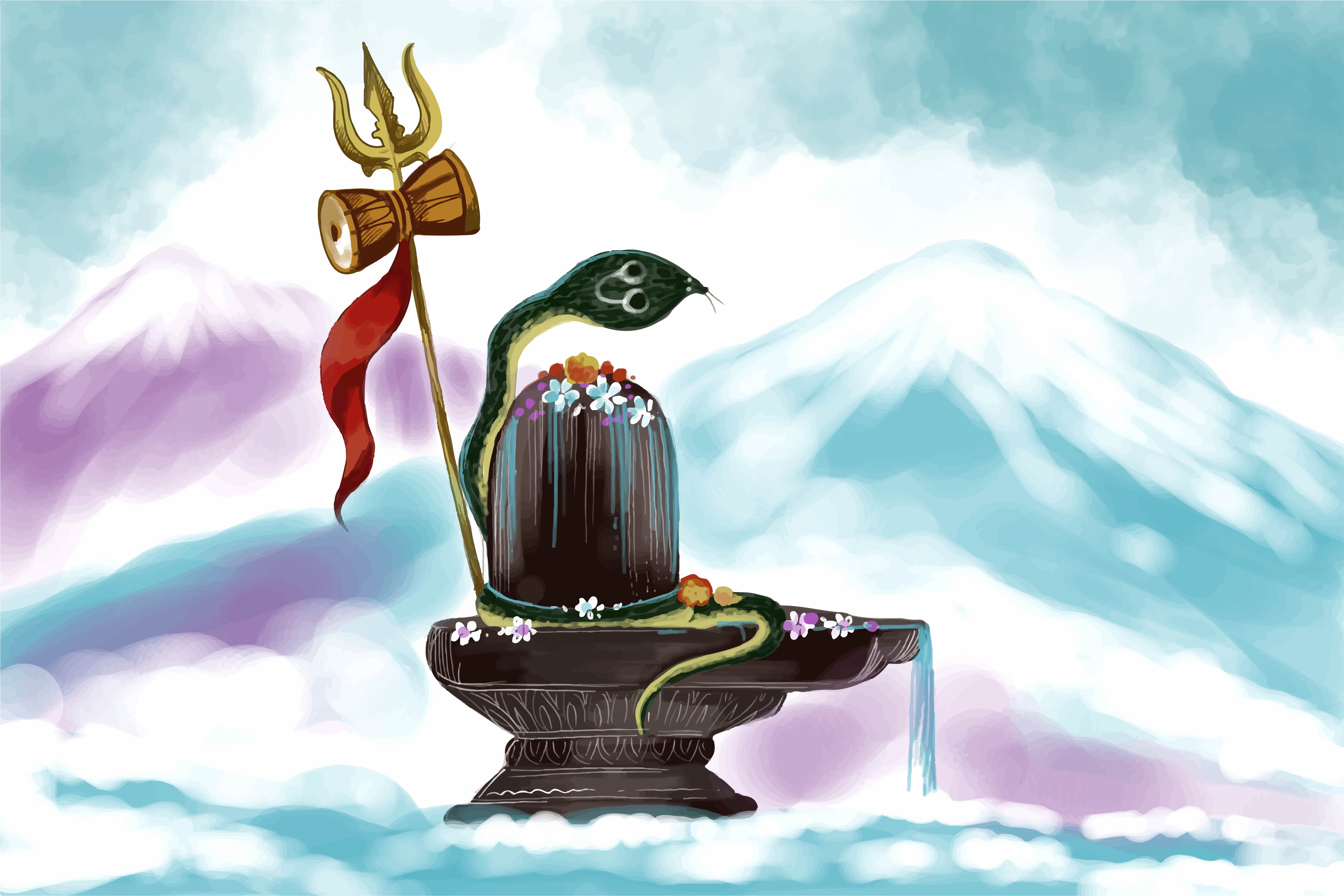
Every Indian god who carries a serpent carries a lesson in control and consciousness. Shiva’s cobra around the neck stands for awareness that conquers fear. Vishnu’s cosmic serpent, Adishesha, represents stability that supports creation. The serpent biting its tail, the Ouroboros motif seen across ancient civilizations, symbolized continuity, rebirth, and the eternal cycle of time.
For devotees, bowing to the serpent on Nagula Panchami means accepting that life is cyclical, not linear. Everything you kill or discard today eventually returns to you in another form.
The Feminine and Fertility Dimension
Nagula Panchami is often seen as a women-led festival. In rural India, women fast, draw snake patterns on house walls with turmeric and rice flour, and offer milk or ghee to anthills. These rituals represent fertility, protection of the family, and continuity of the lineage. The serpent in this context is not a predator but a guardian of the womb, an ancient symbol of life force and reproduction.
In several southern traditions, the serpent shrine is placed under a peepal or neem tree, where female devotees tie sacred threads for fertility and marital well-being. The energy of the soil, the womb, and the serpent becomes one ecosystem of renewal.
The Ecological Intelligence Hidden in the Ritual
Killing a snake in early India meant disrupting pest control and soil health. Farmers knew that snakes kept rodent populations in check, indirectly protecting grain storage. By sacralizing the serpent, society built a cultural firewall around an essential predator.
Even today, wildlife groups in Karnataka and Kerala use the Nagula Panchami period to conduct conservation drives. They educate villagers on handling snake encounters safely instead of killing them, showing how an ancient belief continues to carry ecological logic.
The Psychological and Spiritual Meaning
In yogic science, the coiled serpent Kundalini lies dormant at the base of the spine. When awakened through meditation, it rises through the chakras, bringing transformation. The festival, therefore, also symbolizes inner awakening. Worshipping the serpent is not just about fear or favor; it is about acknowledging one’s dormant potential energy.
The act of offering milk, though symbolic, represents nurturing this energy with purity and devotion rather than suppression and fear.
Modern Relevance of Nagula Panchami
Urban India often dismisses rituals as superstition, but Nagula Panchami offers a blueprint for sustainable coexistence. It teaches that spiritual practice can protect biodiversity. In a time when human-wildlife conflict is rising, the idea that a reptile deserves prayer, not persecution, feels revolutionary.
It is also a festival about the balance between instinct and intellect, tradition and science, human need and nature’s rights. The serpent becomes the mediator between these worlds.
The Cultural Continuity
Temples like Kukke Subramanya in Karnataka or Mannarasala in Kerala remain powerful centers of serpent worship. Yet the rituals differ across regions; some offer turmeric milk to anthills, others perform community feasts near sacred groves. What unites them is not uniformity but intent: respect for hidden life and gratitude for unseen protection.
The festival has survived for centuries because it serves multiple meanings like ecological, emotional, and spiritual, all wrapped in a single act of reverence.
The essence of Nagula Panchami can be summed up simply: the serpent is not an enemy but a mirror. It reflects the primal energy in every human being, like fear, strength, and transformation. By acknowledging it once a year, people symbolically make peace with their own instincts.
Frequently Asked Questions
Why do people offer milk to snakes or anthills?
The offering symbolizes respect and nourishment to nature’s unseen protectors. It is a ritual of coexistence, not literal feeding.
Is Nagula Panchami connected to agriculture?
Yes. The festival coincides with the monsoon and expresses gratitude to snakes for controlling pests and maintaining soil balance.
Does serpent worship have a deeper meaning in yoga?
It represents awakening the Kundalini energy, the inner power that transforms fear into awareness.
How does the festival promote conservation?
It creates social respect for snakes, reducing killings and encouraging safe rescue practices in rural communities.
What core value does Nagula Panchami teach today?
Harmony. It reminds humanity that true spirituality lies in living respectfully with all forms of life.
Author


Discover more from Southwala
Subscribe to get the latest posts sent to your email.