Southwala Shorts
- In the ancient science of Vedic astrology, the Nakshatras are far more than just stars in the sky.
- They are the hidden engines of destiny, the 27 lunar mansions that shape human personality, behavior, and life events.
- Each Nakshatra reveals how cosmic energy flows through an individual, influencing emotions, decisions, and spiritual growth.
- While zodiac signs outline the broader contours of life, Nakshatras add depth and precision, serving as subtle keys to understanding one’s true self.

In the ancient science of Vedic astrology, the Nakshatras are far more than just stars in the sky. They are the hidden engines of destiny, the 27 lunar mansions that shape human personality, behavior, and life events. Each Nakshatra reveals how cosmic energy flows through an individual, influencing emotions, decisions, and spiritual growth. While zodiac signs outline the broader contours of life, Nakshatras add depth and precision, serving as subtle keys to understanding one’s true self.
The Meaning of Nakshatras
The Sanskrit word “Nakshatra” combines Naksha (map) and Tra (guard or protector). Together, they mean the protector of the cosmic map. The Moon, which represents the mind in astrology, travels through all 27 Nakshatras during its 27-day cycle around the Earth. Each day, the Moon’s energy merges with a specific Nakshatra, creating unique emotional and mental patterns. This is why Vedic astrology focuses heavily on the Moon sign and birth Nakshatra rather than just the Sun sign.
The 27 Celestial Pathways
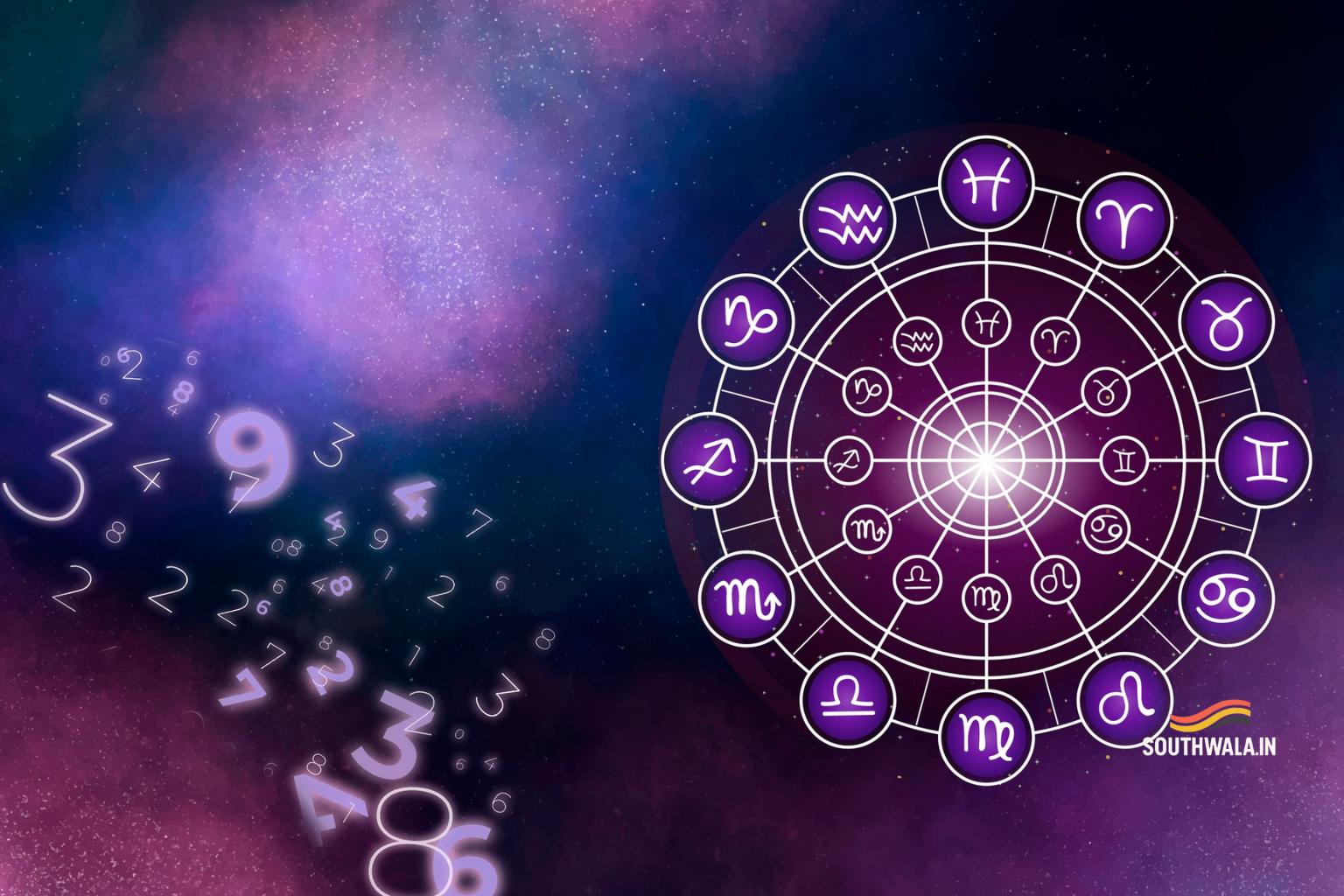
The 27 Nakshatras divide the 360-degree zodiac circle into equal parts of 13 degrees and 20 minutes each. Every Nakshatra has a ruling planet, a symbol, a deity, and a unique energy signature. These combinations form the foundation of human traits, destiny, and spiritual potential.
Here is a brief overview of their character energies:
- Ashwini: The healer and initiator, ruled by Ketu. Known for speed and fresh beginnings.
- Bharani: Symbol of creation and endurance, ruled by Venus. Teaches balance between duty and desire.
- Krittika: The flame of purification, ruled by the Sun. Brings courage, willpower, and clarity.
- Rohini: The fertile one, ruled by the Moon. Promotes beauty, abundance, and attachment.
- Mrigashira: The seeker, ruled by Mars. Represents curiosity, travel, and restlessness.
- Ardra: The storm, ruled by Rahu. Signifies transformation through struggle.
- Punarvasu: The nurturer, ruled by Jupiter. Restores peace and optimism after chaos.
- Pushya: The nourisher, ruled by Saturn. Symbol of discipline, faith, and duty.
- Ashlesha: The entwiner, ruled by Mercury. Reflects mystery, healing, and deep emotions.
- Magha: The royal throne, ruled by Ketu. Represents ancestors, pride, and leadership.
- Purva Phalguni: The lover, ruled by Venus. Symbol of pleasure, creation, and comfort.
- Uttara Phalguni: The partner, ruled by the Sun. Brings generosity and balanced relationships.
- Hasta: The hand, ruled by the Moon. Represents creativity, skill, and practical action.
- Chitra: The artist, ruled by Mars. Symbol of beauty, structure, and innovation.
- Swati: The wind, ruled by Rahu. Promotes independence and adaptability.
- Vishakha: The achiever, ruled by Jupiter. Symbol of determination and focus.
- Anuradha: The friend, ruled by Saturn. Represents devotion, loyalty, and teamwork.
- Jyeshtha: The elder, ruled by Mercury. Brings leadership with wisdom and responsibility.
- Mula: The root, ruled by Ketu. Symbol of truth-seeking and spiritual destruction.
- Purva Ashadha: The invincible one, ruled by Venus. Represents courage and idealism.
- Uttara Ashadha: The unshakable one, ruled by the Sun. Brings honor and long-term success.
- Shravana: The listener, ruled by the Moon. Symbol of learning, wisdom, and communication.
- Dhanishta: The drummer, ruled by Mars. Represents rhythm, fame, and generosity.
- Shatabhisha: The healer of a hundred cures, ruled by Rahu. Brings healing and individuality.
- Purva Bhadrapada: The visionary, ruled by Jupiter. Symbol of sacrifice and transformation.
- Uttara Bhadrapada: The wise serpent, ruled by Saturn. Represents endurance and deep understanding.
- Revati: The nourisher of endings, ruled by Mercury. Symbol of compassion, travel, and spiritual completion.
How Nakshatras Influence Human Life
Nakshatras go beyond personality traits. They define timing, emotions, and life direction. In Vedic astrology, every major event, such as birth, marriage, travel, or even business decisions, is aligned with specific Nakshatras to ensure harmony with cosmic flow. A person’s birth Nakshatra, known as Janma Nakshatra, reflects emotional tendencies and karmic lessons.
For example, someone born under Mrigashira may always seek new experiences and knowledge, while someone under Pushya may feel naturally drawn toward care, teaching, or leadership.
Nakshatras also connect with sound vibrations. Each Nakshatra corresponds to specific syllables used for naming a child, as ancient astrologers believed names carry vibrational harmony with one’s destiny.
The Deeper Spiritual Connection
Every Nakshatra has a deity symbolizing an aspect of divine consciousness. These energies guide spiritual evolution. For instance, Mula helps strip away illusions to reach truth, while Revati aids the soul’s journey to completion. By meditating or performing rituals aligned with one’s Nakshatra, a person can balance karmic energies and accelerate inner growth.
In essence, Nakshatras act like mirrors, reflecting not just fate but also the spiritual potential hidden within every individual. Understanding them is like decoding the blueprint of one’s soul.
The Role of the Moon
Unlike Western astrology, where the Sun defines identity, in Vedic astrology, the Moon defines emotional reality. Since the Moon passes through all 27 Nakshatras every lunar month, its position at birth reveals how one thinks, feels, and reacts. The lunar connection makes Nakshatras deeply personal, as they represent the rhythm of the mind rather than the outer identity.
The Modern Relevance
Even in today’s scientific age, Nakshatras remain relevant. They are not superstition but symbolic reflections of human psychology, timing, and nature’s rhythm. Modern astrologers use Nakshatras to understand compatibility, career paths, and emotional health. They help connect logic with intuition, blending ancient wisdom with modern insight.
FAQs
1. Why are Nakshatras central to Vedic astrology
Because they divide the zodiac into 27 precise parts, offering deeper emotional and spiritual insight than just planetary signs.
2. Why is the Moon more important than the Sun in Nakshatra study
The Moon governs the mind and emotions, and its journey through the Nakshatras shapes thought patterns and instincts.
3. Why does each Nakshatra have its own deity and planet
The deity represents the spiritual force guiding that Nakshatra, and the ruling planet determines how that energy expresses in life.
4. Why do astrologers choose auspicious times based on Nakshatras
Because certain Nakshatras carry energies that support beginnings, protection, or healing, ensuring harmony with cosmic cycles.
5. Why does knowing one’s Nakshatra matter
It helps understand emotional strengths, life tendencies, and karmic lessons, guiding better decisions and self-awareness.
Author


Discover more from Southwala
Subscribe to get the latest posts sent to your email.