Southwala Shorts
- Long before algorithms, databases, and machine learning models existed, human beings looked up to the sky for patterns and predictions.
- Civilizations from Mesopotamia to India observed the movement of stars and planets, collected data for centuries, and built models to forecast outcomes from weather to...
- Astrology, though viewed today as a mystical discipline, was originally a system of pattern recognition and probabilistic reasoning, the very foundation of data science.
- Ancient astrologers were not merely fortune tellers; they were data analysts of their time, translating celestial data into a human context.

Long before algorithms, databases, and machine learning models existed, human beings looked up to the sky for patterns and predictions. Civilizations from Mesopotamia to India observed the movement of stars and planets, collected data for centuries, and built models to forecast outcomes from weather to war, harvest to health.
Astrology, though viewed today as a mystical discipline, was originally a system of pattern recognition and probabilistic reasoning, the very foundation of data science. Ancient astrologers were not merely fortune tellers; they were data analysts of their time, translating celestial data into a human context.
Ancient Observers as Early Data Collectors
The foundation of data science lies in the observation, collection, and classification of data. Thousands of years ago, Babylonian and Vedic astrologers were already practicing this.
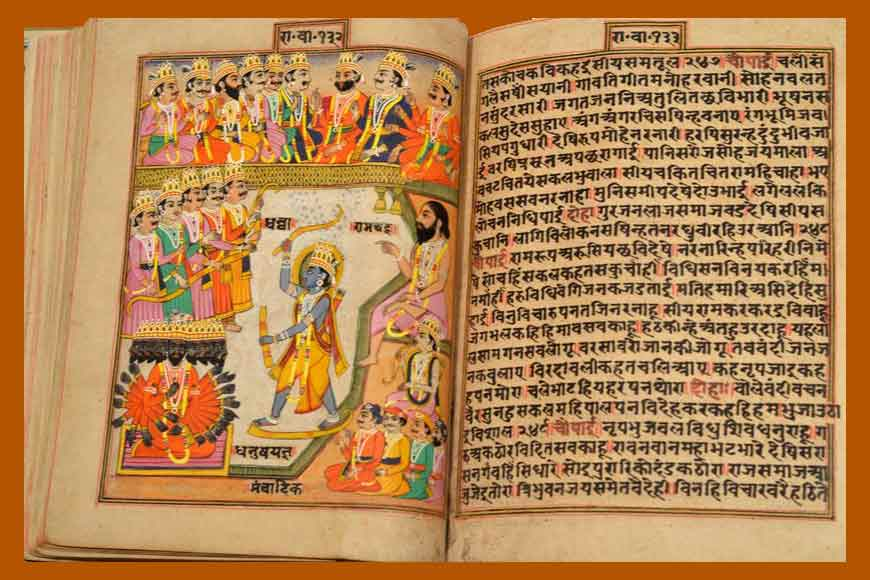
They meticulously recorded planetary positions, lunar cycles, eclipses, and seasonal changes. Every entry on a clay tablet or palm leaf was an early dataset, a time-stamped record of correlation between cosmic events and earthly outcomes.
For instance, when the same planetary alignment coincided repeatedly with floods or famines, early astronomer-priests started linking cause and effect. This was not superstition; it was early empirical reasoning, centuries before the term “scientific method” even existed.
Pattern Recognition: The Core of Astrology and Data Science
Both astrology and data science depend on detecting patterns in large sets of data.
- Ancient astrologers looked for recurring celestial patterns and their influence on life events.
- Data scientists analyze large datasets to identify trends, anomalies, and probabilities.
For example, an astrologer might observe that a particular star alignment coincides with good harvests every few years. A data scientist today would call that a predictive correlation.
Astrology essentially built a predictive model it processed historical data (planetary positions) and attempted to forecast outcomes (rainfall, prosperity, conflict). The difference lies in methodology, not intention.
Statistical Thinking Before Statistics
Astrologers in India, Greece, and China developed methods that were strikingly similar to early statistical reasoning. They worked with probabilities, not certainties.
For example:
- The Panchangam in India calculates planetary combinations to predict favorable days, akin to a probabilistic model assigning weights to variables.
- The ancient Greeks developed horoscopes as datasets of planetary positions, each interpreted through centuries of recorded results.
While modern data scientists use regression or neural networks, ancient astrologers used planetary configurations as inputs and outcomes as dependent variables. Both disciplines relied on analyzing historical data to infer future trends.
Algorithms of the Sky
An algorithm is simply a rule-based process to reach an output from a given input. Astrological calculations, planetary longitudes, ascendants, and lunar mansions were early forms of algorithms.
Ancient Indian mathematicians like Aryabhata and Varahamihira used trigonometric and logarithmic principles to calculate planetary motions. These were not guesses; they were coded, repeatable methods to process cosmic data.
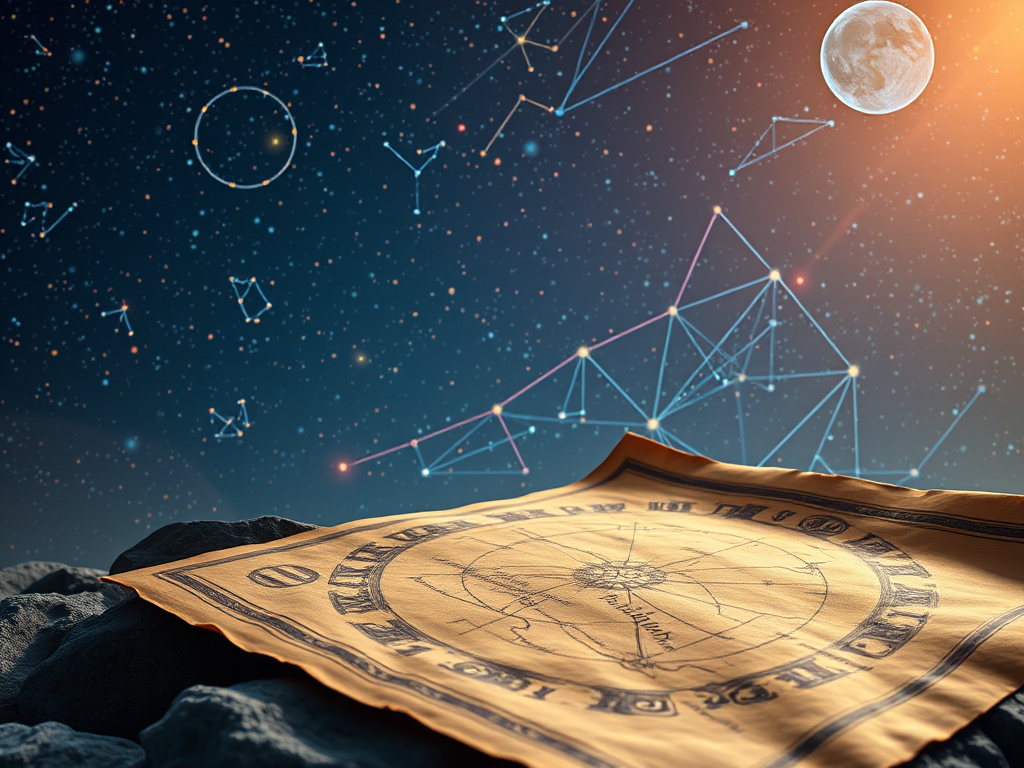
In many ways, astrology turned abstract observations into structured datasets long before data visualization tools or spreadsheets existed. Star charts were the earliest dashboards, showing data in a symbolic visual format for interpretation.
The Predictive Mindset That Never Died
The essence of data science is prediction from predicting stock market crashes to customer behavior. Astrology, too, is built on predictive modeling.
Though its validation methods differ from modern science, the mindset is similar:
- Collect data.
- Identify patterns.
- Build models based on those patterns.
- Test predictions through real-world events.
Astrology’s flaw was not the lack of intelligence; it was the absence of statistical rigor and reproducibility. Yet, the psychological framework of predicting the unknown through observed data made it the intellectual ancestor of today’s predictive analytics.
From Celestial Data to Digital Data
Astrology evolved into astronomy and eventually into mathematics, physics, and computer science. The urge to find patterns in complex systems led humans from the constellations to the algorithms.
Today’s data scientists map user behavior, economic cycles, or disease patterns using massive datasets. The process is the same, only the subjects have changed. Ancient astrologers mapped the skies; modern scientists map the servers.
The connection lies in data-driven curiosity, the human need to understand cause, effect, and probability.
Lessons Modern Data Science Can Learn from Astrology
- Long-term data collection: Ancient astrologers gathered data across generations. Modern science often lacks that temporal patience.
- Cultural context in data interpretation: Astrologers tied data to social and psychological meaning, a reminder that data without context is incomplete.
- Visual storytelling: Star charts and zodiac wheels were the first infographics, designed for quick comprehension.
- Holistic modeling: Ancient systems integrated multiple variables (time, location, emotion, season), similar to multi-variable AI models today.
The Bridge Between Science and Belief
Astrology stands at a fascinating intersection of data and meaning. It used empirical observation to explain intangible human experience. Though modern science distances itself from astrology’s spiritual claims, both fields share a human instinct to extract insight from chaos.
Data science gives us precision. Astrology gave us curiosity. The first step toward analytics began when someone looked at the sky and asked, “Does this pattern mean something?”
Astrology may no longer be treated as a science, but its historical roots make it the earliest attempt to use data for prediction. It blended observation, recording, and pattern analysis long before calculus or computing existed.
In a sense, every modern data scientist continues that ancient tradition — studying patterns, forecasting outcomes, and seeking logic in randomness. The only difference is that the stars have been replaced by servers, and celestial orbits by digital footprints.
Astrology might not hold scientific accuracy today, but it remains the oldest and most poetic example of humanity’s first attempt at data-driven thinking.
FAQs
1. How can astrology be related to data science?
Astrology uses large sets of observational data about celestial movements to predict events, just like data science uses datasets to predict outcomes.
2. How did ancient astrologers collect data?
They observed and documented the position of stars, planets, and eclipses for centuries, creating early databases of cosmic patterns.
3. How is astrology similar to predictive analytics?
Both rely on recognizing recurring patterns in historical data to forecast future possibilities, though astrology lacked mathematical precision.
4. How did astrology contribute to modern sciences?
Astrology led to the birth of astronomy and mathematics, which became the foundation for modern physics, computing, and data science.
5. How can data scientists learn from astrology’s approach?
By integrating context, long-term observation, and human meaning into data interpretation, we can make predictions not just accurate but also insightful.
Author


Discover more from Southwala
Subscribe to get the latest posts sent to your email.