Southwala Shorts
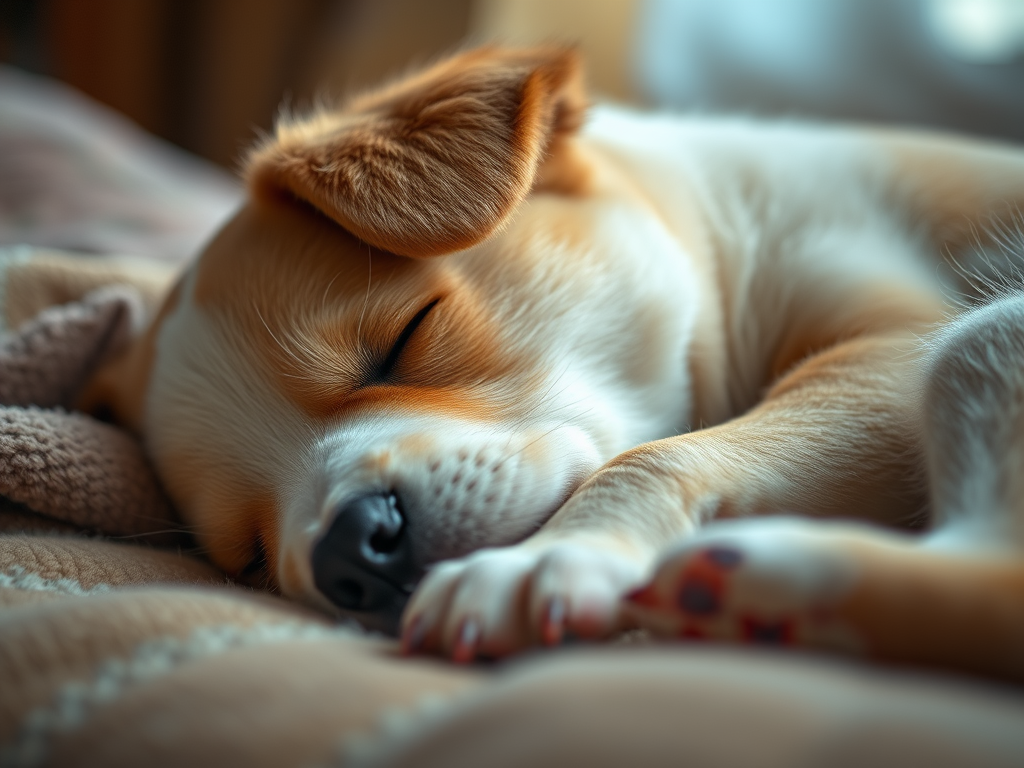
- Dogs move through different stages of sleep.
- The deep stage repairs the body, while the REM stage (Rapid Eye Movement) activates the brain.
- Dreams take place in the REM stage, and during this time, the eyes shift quickly beneath the eyelids.
- Puppies, senior dogs, and smaller breeds often spend longer in REM, giving them more dream time than larger dogs.

Dogs move through different stages of sleep. The deep stage repairs the body, while the REM stage (Rapid Eye Movement) activates the brain. Dreams take place in the REM stage, and during this time, the eyes shift quickly beneath the eyelids. Puppies, senior dogs, and smaller breeds often spend longer in REM, giving them more dream time than larger dogs.
Dreams Reflect Daily Life
Research shows that dog dreams replay real-life activities. A game of fetch in the park, chasing a squirrel, or even learning a new trick can show up in their sleep. Brain activity studies confirm that these dream patterns look very similar to human dreams. The twitching paws or muffled barks during sleep are signs of those experiences playing out in dream form.
Twitching and Sleep Movements
Leg paddling, tail wagging, or tiny growls during sleep are common. The brain normally restricts the body from fully acting out dreams, but in dogs this control is weaker. That’s why movements break through during rest, making their dream world visible in small bursts.
Nightmares and Restless Sleep
Not every dream is pleasant. Dogs also face nightmares, often linked to stress, trauma, or loud sounds from the environment. Whimpering, growling, or restless body movements during sleep can signal a bad dream. Most experts suggest letting the dog sleep through it instead of waking them suddenly, since a startled reaction can create more anxiety.
Long Hours of Rest
An adult dog spends around 12 to 14 hours daily in sleep, while puppies may clock up to 20 hours. These long stretches are not laziness but an important part of physical recovery and mental health. Dreaming helps lock in memories, manage energy, and keep the nervous system balanced.
Dreams Add Depth to Dog Life
Dreams reveal that dogs process experiences and emotions in ways that resemble humans. Sleep adventures are not random they form part of memory-building and emotional well-being. This explains a well-rested dog appears more energetic, playful, and responsive.
Dreaming is a natural part of a dog’s life. From joyful dream chases to restless nightmares, sleep captures the emotional and physical journey of each day. The next time those paws start moving mid-nap, imagine your pup finally catching that squirrel at least in dreamland.
Author


Discover more from Southwala
Subscribe to get the latest posts sent to your email.